Wool carpets bring warmth and softness to a room, but their natural fibers require careful cleaning to avoid shrinking, dye bleed, or damage. This guide provides practical, step-by-step instructions for homeowners who want to clean a wool carpet themselves using safe products and common tools. Following these steps helps preserve fiber integrity and extend the life of the carpet.
With the right approach, routine spot cleaning, periodic deep cleaning, and proper drying can keep wool carpets looking like new. The methods below emphasize mild cleaning solutions, gentle agitation, and thorough rinsing to avoid residues that can attract dirt or create yellowing over time.
Quick Answer
For routine cleaning of a wool carpet, use a mild detergent designed for wool, gently scrub with a soft bristle brush, and extract with a wool carpet cleaning machine extractor or a wet vacuum. Treat stains with a dedicated stain remover spray for wool carpet, then blot and rinse. Always test in an inconspicuous area first.
What You’ll Need
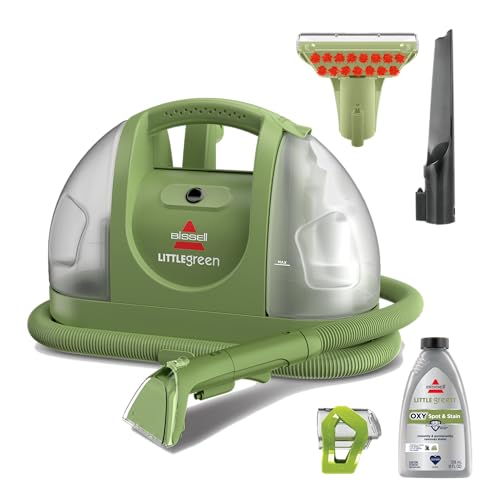
- wool carpet cleaning machine extractor
- delicate wool rug carpet shampoo 32 oz
- stain remover spray for wool carpet
- mild detergent for wool carpet cleaning
- soft bristle carpet brush for wool rugs


Before You Start
Assess the carpet to determine if it is truly wool and check the manufacturer’s care label for any cautions. Perform a patch test in an inconspicuous area to ensure dyes won’t bleed. Clear the room of furniture and vacuum thoroughly to remove loose soil. Work in a space with good ventilation and consider running a dehumidifier to speed drying. Important: never use hot water on wool, as heat can cause shrinkage and color fading. Prepare cleaning solutions according to product directions and avoid mixing cleaners that could cause foaming or residue.
Step-By-Step: How To Clean A Wool Carpet Yourself
- Vacuum the carpet thoroughly to remove loose dirt and grit from the surface and fibers.
- Apply a diluted solution of mild detergent for wool carpet cleaning to a small area, testing on a hidden patch first.
- Gently agitate with a soft bristle carpet brush for wool rugs in a circular motion, working from the outside of the stain toward the center to prevent spreading.
- For tougher spots, apply a stain remover spray for wool carpet directly to the stain, following the product label, and let it sit the recommended time.
- Rinse the area with clean water using the wool carpet cleaning machine extractor or a wet vacuum to remove soap and soil.
- Extract as much moisture as possible, then blot with a light, white cloth to avoid color transfer.
- Allow the area to air dry completely before walking on it. If possible, use fans or a dehumidifier to speed drying.
- Repeat the cleaning cycle if soiling remains, only in small sections to prevent over-wetting.
- Return furniture only after the carpet is fully dry to avoid indentations.
- Perform a light vacuum after drying to lift fibers and restore pile direction.
- Schedule periodic deep cleanings using the wool-specific machine extractor to maintain appearance and fiber integrity.
- Store cleaning products in a cool, dry place and keep out of reach of children and pets.
Troubleshooting
| Symptom | Likely Cause | Fix | Prevention |
|---|---|---|---|
| Color appears dull after cleaning | Over-wetting or residue from cleaners | Rinse thoroughly and vacuum once dry | Use minimal soap and ensure complete extraction |
| Stains reappear after drying | Remaining stain components or dye bleed | Spot-treat again with appropriate stain remover and rinse | Test stain removers in a hidden area first |
| Fibers shrink or curl | Excessive heat or agitation | Avoid hot water and harsh scrubbing | Use cool water and gentle agitation |
| Fiber fuzzing or shedding | Over-wetting or aggressive brushing | Reduce moisture and switch to softer brushing | Regular, light cleaning rather than deep scrubs |
Common Mistakes
- Using hot water or high heat on wool fibers
- Over-wetting the carpet, leading to longer drying times or shrinkage
- Using harsh detergents not formulated for wool
- Not rinsing enough, leaving soapy residues that attract dirt
- Scrubbing aggressively, which can damage the pile
Being patient and using wool-friendly products will produce the best long-term results and preserve carpet texture.
Tips For Best Results
- Always perform a patch test before treating visible stains.
- Work in sections to avoid saturating large areas at once.
- Use a dedicated wool-safe cleaner and extractor designed for delicate fibers.
- Blot, don’t rub, when removing liquids to minimize fiber damage.
- After cleaning, place mats at entrances to reduce tracking dirt between cleanings.
Call A Professional
Consider professional help if the carpet has persistent stains, significant dye migration, or if the fiber pile is matted or heavily soiled. Stop signs include: visible dye changes after cleaning, persistent odor, or if the carpet shows signs of recession in high-traffic areas. For wool carpets, professionals have specialized equipment and products to maintain fiber integrity and colorfastness.
FAQ
Can I clean a wool rug with a standard carpet cleaner?
Yes, but use a wool-safe cleaning solution and a machine with gentle settings to avoid damage.
Is it necessary to dry wool carpets completely?
Yes. Wool fibers can take longer to dry, and remaining moisture can cause mildew or odor.
What should I do about pet stains on wool carpets?
Use a stain remover spray formulated for wool and test first; blot thoroughly and rinse to prevent soiling from residue.
How often should I deep clean a wool carpet?
Deep clean every 12–18 months for typical households, or more often in high-traffic areas.
Are wool carpets colorfast?
Most are, but always check the care label and perform a patch test to confirm colorfastness.
Can I use white vinegar on wool?
Only if recommended by the product manufacturer; otherwise, use wool-safe cleaners to avoid fiber damage.
What if I can’t remove a stain?
Consult a professional cleaner who has experience with wool fibers and dye stability.
Buying Guide
When selecting products for wool carpet care, consider size, compatibility with wool fibers, and safety. Look for cleaners labeled specifically for wool, and ensure that the wool carpet cleaning machine extractor is suitable for delicate fibers. A delicate wool rug carpet shampoo 32 oz is a common option for spot cleaning and light deep cleans, while a stain remover spray for wool carpet provides targeted treatment. For routine maintenance, a mild detergent for wool carpet cleaning helps preserve texture without leaving residues. A soft bristle carpet brush for wool rugs allows gentle agitation that minimizes fiber damage. Consider the carpet’s density, pile height, and backing when choosing cleaning tools to avoid over-wetting or fiber distortion. Finally, verify that any product you buy has clear instructions and is suitable for your carpet’s dye and construction. If in doubt, consult the carpet manufacturer’s care guide or a professional cleaner for tailored recommendations. If you’re balancing convenience and results, a compatible extraction system paired with a gentle wool-specific cleaner is often the most reliable setup for DIY enthusiasts.