The Sphynx breed requires regular ear care due to less fur around the ear canal, which can trap wax and debris. Proper cleaning helps prevent irritation and infections while keeping your cat comfortable. This guide outlines practical steps, safe products, and maintenance tips tailored for Sphynx cats and their unique needs.
Readers will find a clear, step-by-step process, recommended tools, and safety notes to ensure routine ear care is efficient and stress-free for both you and your pet.
Quick Answer
Use a veterinarian-approved ear cleaning solution, a soft-tip ear cleaner, and hypoallergenic wipes to gently remove wax and debris. Avoid inserting anything deep into the ear canal. Clean once a week or as advised by your veterinarian, especially if you notice excessive wax, odor, or redness.
What You’ll Need
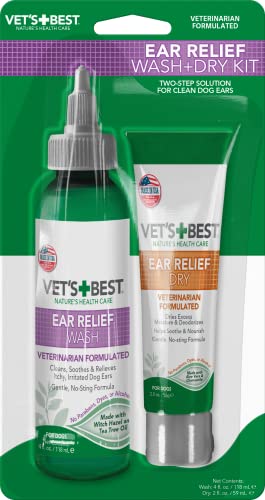
- cat ear cleaning kit vet grade solution for cats
- soft tip ear cleaner syringe for cats
- hypoallergenic cat ear cleaning wipes
- ear flushing kit for cats with sprayer
- Sphynx cat ear cleaning spray solution


Before You Start
Before beginning, gather supplies and choose a calm, well-lit area. Sit your cat securely, using a towel to minimize movement. Avoid forcing the syringe or pushing debris deeper into the ear canal; never use cotton swabs inside the ear. If the cat shows signs of distress, stop and try again later. Most cleaning sessions take 5–10 minutes per ear. If you notice persistent redness, itching, foul odor, or discharge, contact a veterinarian promptly.
Step-By-Step: How To Clean Sphynx Ears
- Place the cat in a comfortable, secure position and softly speak to them to reduce anxiety.
- Inspect the visible part of the ear for debris, redness, or discharge before applying any cleaner.
- Apply a few drops of the vet grade ear cleaning solution into the ear canal per product instructions.
- Gently massage the base of the ear to loosen wax and debris, which may soften for 20–30 seconds.
- Use a soft tip ear cleaner syringe to draw the solution and flush the ear by directing the flow away from the eardrum.
- Allow the cat to shake its head; use hypoallergenic cat ear cleaning wipes to remove loosened debris from the outer ear.
- Wipe away any excess solution and debris from the outer ear with a clean wipe; avoid inserting any tool into the canal.
- Repeat the process on the other ear if needed, following the same steps carefully.
- Check for lingering odor or redness; if present, schedule a veterinary check-up to rule out infection.
- Reward your cat with praise and a treat to reinforce positive associations with ear care.
- Store all products out of reach and monitor ears for recurring buildup between cleanings.
- Record your cleaning schedule to maintain consistency and discuss adjustments with your veterinarian as the cat’s needs change.
Troubleshooting
| Symptom | Likely Cause | Fix | Prevention |
|---|---|---|---|
| Persistent redness after cleaning | Irritation or infection | Stop cleaning and consult a vet | Use mild solutions and limit cleaning frequency |
| Strong odor or discharge | Possible ear infection | Seek veterinary evaluation promptly | Regular gentle cleaning and early care for wax buildup |
| Wax buildup returns quickly | Allergy or excess wax production | Discuss allergy management with a vet | Maintain routine cleaning and monitor for triggers |
| Cat resists cleaning or shows distress | Fear or pain | Use calming techniques and take breaks; consider a topical sedative only under veterinary guidance | Short, frequent sessions to build trust |
Common Mistakes
- Using cotton swabs inside the ear canal, which can push debris deeper.
- Cleaning too aggressively or with a forceful spray, causing trauma.
- Starting without a calm environment or proper restraint, increasing stress for the cat.
- Relying on a single product without veterinary guidance when an infection is suspected.
Being mindful of these pitfalls helps ensure ear care remains safe and effective for Sphynx cats.
Tips For Best Results
- Schedule regular cleanings aligned with your vet’s recommendations, typically weekly to monthly for some cats.
- Test a small amount of solution near the ear opening on the first use to check for sensitivity.
- Use hypoallergenic wipes to minimize irritation when removing debris from the outer ear.
- Warm the ear cleaner slightly to near body temperature for greater comfort, not hot.
- Keep nails trimmed and provide a calm space during sessions to reduce stress.
Call A Professional
Seek a professional if any of the following occur: persistent redness or swelling, visible sores, continuous discharge, or if you cannot safely handle the cleaning task. Also contact a vet if your Sphynx shows signs of pain when touching the ear or resists attempts to clean beyond gentle outer ear wiping.
FAQ
How often should I clean a Sphynx cat’s ears?
Cleaning frequency depends on the cat’s ear health and vet guidance; many Sphynx cats benefit from weekly or biweekly checks and cleanings.
Can I use human ear drops on my cat?
No. Veterinary-approved solutions formulated for cats are designed to be safe for feline ears and avoid irritation.
What if wax doesn’t come out after cleaning?
Don’t force it. If wax remains or you notice discomfort, consult a veterinarian for a thorough examination.
Is it safe to use cotton balls or wipes around the ear?
Only use specially designed hypoallergenic wipes around the outer ear; avoid inserting fibers into the ear canal.
What signs indicate an ear infection in a Sphynx?
Redness, swelling, odor, discharge, head tilting, or scratching at the ear are common indicators requiring veterinary attention.
Buying Guide
When selecting ear care products for a Sphynx, consider size and ease of use, noise level for application devices, energy-efficient and gentle formulations, user-friendly controls, and practical placement for storage.
Key buying factors include:
- Size and design of the cleaning tools to fit small to medium cat ears comfortably.
- Formula safety and hypoallergenic properties to minimize irritation for sensitive Sphynx skin.
- Clear instructions and easy-to-use syringes or sprayers that reduce the risk of over-insertion.
- Availability of a complete kit that includes vet-grade solution, soft tip applicators, and wipes.
- Durability and ease of sanitization between uses to maintain hygiene.
For most owners, a reputable ear cleaning kit for cats, paired with hypoallergenic wipes and a dedicated spray solution, provides a balanced approach to maintenance. Consider your cat’s tolerance, your comfort level, and any veterinary recommendations when choosing a setup. If in doubt, consult your veterinarian for a personalized care plan that fits your Sphynx’s ears and lifestyle.