Keeping kitchen cabinets clean protects wood, preserves finishes, and maintains a fresh-looking kitchen. This guide focuses on safe, effective methods and proven products you can use in American homes to remove grease, fingerprints, and grime from cabinet surfaces.
Whether you’re refreshing a daily-use kitchen or tackling a weekend deep clean, the steps below cover fixtures, doors, frames, and hardware with clear, actionable instructions.
Quick Answer
Best routine: Wipe with a mild cleaner, then buff dry. For tough grime, use a dedicated grease remover spray and a melamine sponge. Finish with a wood cabinet cleaner conditioner spray for wood finishes.
What You’ll Need
Having the right tools makes cleaning faster and safer for finishes. Gather these items before you start.
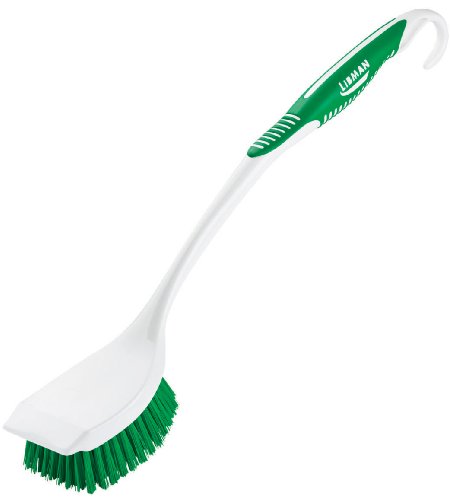
- Cabinet cleaning brush with long handle
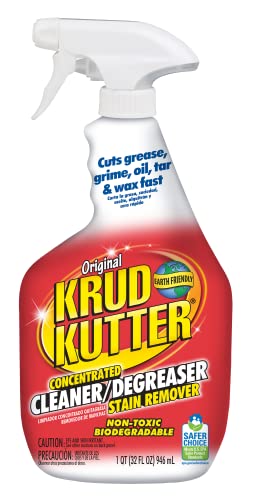
- Grease remover spray for kitchen cabinets
- Microfiber cleaning cloths for kitchen cabinets
- Wood cabinet cleaner conditioner spray
- Melamine sponge magic eraser kitchen cabinet cleaner

Before You Start
Prepare the area and protect surfaces that aren’t being cleaned. Remove items from counters and wipe down nearby appliances. Work in a well-ventilated space to avoid chemical fumes. Time estimate: 20–45 minutes for a standard kitchen; longer for heavily soiled cabinets.
Safety cautions: Test any cleaner on a hidden area first to check for discoloration. Avoid abrasive scrubbers on delicate finishes. Do not mix cleaners or use ammonia-based products with bleach.
Step-By-Step: How To Clean Kitchen Cabinets
- Remove all items from cabinet doors and shelves; set aside hardware to be cleaned separately.
- Dust surfaces with a cabinet cleaning brush with long handle to prevent grime from grinding into the finish.
- Mix a light solution if using a spray cleaner, or apply grease remover spray directly to a microfiber cloth for marginal buildup.
- Wipe doors, frames, and exposed hardware; pay attention to corners and recessed areas where grease collects.
- Use a melamine sponge magic eraser kitchen cabinet cleaner on stubborn spots; test in a small area first.
- Rinse with a clean microfiber cloth dampened with water; remove all cleaner residue to prevent streaks.
- Dry thoroughly with a fresh microfiber cloth to prevent water damage on wood or veneer finishes.
- Recondition wooden cabinets with wood cabinet cleaner conditioner spray following the product directions.
- Reattach hardware after it’s fully dry; wipe metal hinges to remove fingerprints and oils.
- Inspect for any remaining spots and repeat a targeted pass if needed; finish by wiping a final dry buff for shine.
- Return items to cabinets and wipe surrounding areas to complete the cleanup.
- Schedule regular light cleanses and a deeper quarterly wipe-down to keep grime at bay.
Troubleshooting
| Symptom | Likely Cause | Fix | Prevention |
|---|---|---|---|
| Streaks after cleaning | Residue or improper drying | Wipe with a fresh microfiber cloth; dry thoroughly | Rinse cloth frequently; never leave cleaner residue |
| Finish dulling on wood | Harsh cleaners or excessive moisture | Switch to wood-safe cleaner and use minimal moisture | Spot-test cleaners; wipe with dry cloth |
| Grease returning quickly | High-traffic area buildup | Increase cleaning frequency; use a stronger grease remover as needed | Routine wipe-down after cooking; place liners inside cabinets |
| Scratches on veneer | Abrasion from scrubbers | Use soft cloths and avoid abrasive sponges | Use gentler tools and avoid metal brushes |
Common Mistakes
- Using too much water on wood cabinets, causing swelling or warping.
- Skipping a test area before applying cleaners to a visible surface.
- Over-cleaning or using abrasive tools that scratch finishes.
- Letting cleaner sit too long or not drying surfaces after cleaning.
Tips For Best Results
- Work top-to-bottom to minimize drips onto already-cleaned areas.
- Keep a small spray bottle of mild cleaner handy for quick touch-ups between deep cleans.
- For persistent grease, apply cleaner and let sit for a few minutes before wiping away.
- Use microfiber cloths for their softness and lint-free performance.
- Consider a periodic wood cabinet conditioner spray to preserve finishes and add shine.
Call A Professional
Consider professional help if cabinets have extensive water damage, warping, mold, or finish delamination. Seek a licensed contractor for major refinishing, veneer replacement, or structural repairs.
Stop signs include persistent staining after cleaning, bubbling or peeling finishes, strong odors that don’t dissipate, or visible mold growth. In these cases, a professional assessment is recommended.
FAQ
How often should kitchen cabinets be cleaned?
Light weekly wipes and a deeper clean every 1–3 months, depending on usage and cooking habits.
Can I use household cleaners on wood cabinets?
Yes, but choose products designed for wood finishes and follow the manufacturer’s directions to prevent damage.
What should I do about cabinet interiors?
Use a microfiber cloth with a mild cleaner, then wipe dry; consider a light application of a wood conditioner if you have wood interiors.
Is it safe to use a magic eraser on cabinets?
Yes, on non-porous surfaces or with caution on finishes; test first in a hidden area to avoid dulling the finish.
Buying Guide
When choosing cabinet-cleaning products, consider size, safety, and finish compatibility. Here are key buying factors to compare:
- Surface type compatibility: Wood, laminate, or painted finishes need different cleaners to avoid damage.
- Cleaning power vs. gentleness: A grease remover spray offers strong performance, but pair with soft cloths for delicate surfaces.
- Ease of use: Long-handle brushes reduce bending; spray bottles and ready-to-use formulas speed up routines.
- Drying and residue: Look for no-residue formulas to prevent streaks and buildup.
- Protection benefits: Products with a conditioner or protective finish help extend cabinet life.
Size matters for busy kitchens, but bigger isn’t always better if it’s too harsh for your cabinet material. Consider a multi-product approach: a dedicated grease remover for heavy grime, a microfiber cloth set for safe cleaning, and a wood conditioner spray for wood cabinetry. If you maintain a weekly wipe-down, you’ll reduce the need for intense scrubbing and prolong your cabinet finishes.