Maintaining a clean dishwasher helps ensure dishes come out sparkling and minimizes odors. The clean cycle is designed to tackle food residue, mineral buildup, and grease inside the machine. This guide explains a practical, step-by-step approach using common tools and products to restore performance without costly service calls.
Quick Answer
Run a dedicated clean cycle with a dishwasher-safe cleaner or a descaler powder, then follow with a regular wash to loosen any remaining buildup. Periodically inspect spray arms and the interior, and perform a manual wipe-down of seals to prevent odors and improve efficiency.
A Quick List Of Tools And Materials
What you’ll need to perform a thorough clean cycle includes products specifically designed for dishwashers. The following items are commonly used to remove scale, soap scum, and residue:
- Dishwasher interior cleaning brush
- Dishwasher spray arm cleaning brush
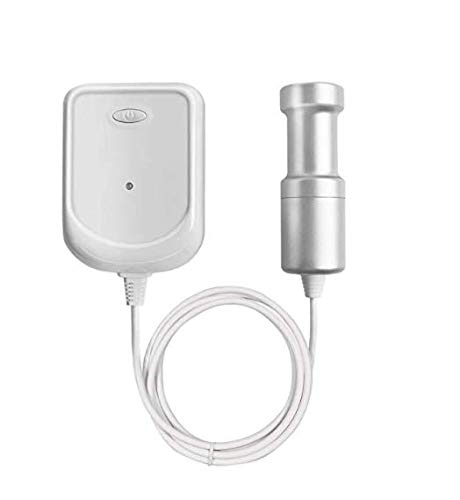
- Ultrasonic dishwasher cleaner
- Dishwasher descaler powder
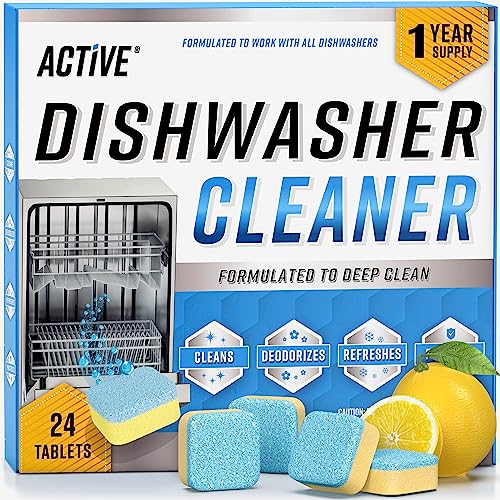
- Dishwasher cleaning tablet 60 count

Before You Start
Before initiating a clean cycle, remove any toppled debris from the bottom of the tub and inspect the filter or sump for clogs. Check spray arms for obstructed small holes and ensure they can rotate freely. Never run a cleaning cycle with food scraps accumulated in the drain, as this can create backups. Allow the dishwasher to cool slightly if it was recently used, and read product directions on the cleaner or descaler for recommended usage and safety notes.
Step-By-Step: How To Run A Clean Cycle On Dishwasher
- Remove racks to access the full interior and pull out the bottom filter if accessible.
- Wipe the door seal and gasket with a damp microfiber cloth to remove trapped grime.
- Inspect the spray arms for clogged nozzles; use the dishwasher spray arm cleaning brush to clear any obstructions.
- Place a dishwasher interior cleaning brush to reach corners and scrub away buildup along the tub walls.
- Position a dishwasher cleaning tablet in the detergent cup or use descaler powder as directed by the product label.
- Run the dishwasher on a hot, high-temperature cycle to maximize cleaning and sanitizer effects.
- After the cycle finishes, wipe the interior again and inspect the filter; reinstall it if you removed it earlier.
- Run a short rinse cycle with no dishes to flush out loosened debris; consider a second rinse if you notice residue.
- Clean the exterior door and control panel to remove fingerprints and residue that can transfer to dishes.
- Optional: schedule regular maintenance every 1–3 months depending on usage and mineral content in water.
Troubleshooting
| Symptom | Likely Cause | Fix | Prevention |
|---|---|---|---|
| Dishes come out wet | Extended drying not functioning | Check rinse aid dispenser; ensure heated dry option is enabled | Replenish rinse aid regularly |
| Water not draining | Clogged filter or pump | Clean filters and sump; remove trapped debris | Rinse dishes and scrape excess food |
| Unpleasant odor | Gasket buildup or standing water residue | Wipe seals; run a cleaning cycle with descaler | Keep door slightly ajar after use to air out |
| Clogged spray arms | Mineral buildup | Use spray arm cleaning brush; rinse thoroughly | Use cleaner or descaler periodically |
| Visible residue after cycle | Detergent residue or hard water | Try a different cleaner or reduce detergent amount; run a hot rinse | Check water hardness and adjust accordingly |
Common Mistakes
- Using regular household cleaners not designed for dishwashers
- Ignoring the spray arms or filters during maintenance
- Overloading the dishwasher, which prevents proper cleaning
- Skipping the rinse or descaling steps after mineral buildup
Avoid these pitfalls to keep the interior free of residue and ensure optimal performance over time.
Tips For Best Results
- Choose a high-temperature cycle for better sanitization and mineral removal.
- Use a dishwasher-safe cleaner or descaler powder as directed for effective buildup removal.
- Regularly inspect and gently scrub the door seal to prevent odor development.
- Consider running a clean cycle at least once a month in areas with hard water.
Call A Professional
Stop signs warranting professional help include persistent drainage issues, unusual noises during cycles, or recurring foul odors despite maintenance. If the dishwasher fails to complete cycles or you notice electrical smells, contact a licensed technician for a diagnostic and repair.
FAQ
What is the best cleaner for a dishwasher clean cycle?
Use a dishwasher-safe cleaner or descaler powder as recommended by the product instructions to remove mineral buildup and grease effectively.
How often should I run a clean cycle?
In households with hard water or frequent heavy use, run a clean cycle every 1–3 months; otherwise, every 2–4 months is typically sufficient.
Can I use vinegar for cleaning my dishwasher?
Vinegar can help with minor odor, but it is not recommended as the primary cleaner for a regular clean cycle due to potential damage to seals and hoses over time.
Should I remove the racks during cleaning?
Yes, removing racks gives full access to the interior and makes it easier to scrub and reach hidden areas.
Buying Guide
When selecting dishwasher cleaning products and maintenance tools, consider size and compatibility with your model, effectiveness against mineral buildup, and ease of use. A reliable interior cleaning brush set, a spray arm cleaner, and a proven descaler or cleaning tablet form a solid maintenance kit. Look for products labeled safe for automated dishwashers and follow manufacturer directions. If your water is hard, you may need more frequent clean cycles or stronger descalers. Accessibility of the spray arms and filters in your model also influences how aggressively you need to clean. A well-chosen combination saves time and keeps the dishwasher running efficiently.