Most Ninja coffee maker owners want a simple, safe way to clean the brewer without using vinegar. This guide explains how to remove mineral buildup and keep the machine tasting fresh, using consumer-desired descalers and basic cleaning tools. The methods focus on Ninja-approved descaling tablets, citric acid options, and accessible cleaning supplies to minimize taste transfer and preserve performance.
Quick Answer
Use Ninja descaling tablets or a citric acid descaler following the product directions, paired with a cleaning brush for the reservoir. Run multiple cleaning cycles with fresh water and finish with a final brew to rinse all components. Avoid heavy vinegar use; opt for descalers designed for Ninja machines to protect seals and flavor.
What You’ll Need
- Ninja coffee maker descaling tablets
- Citric acid descaler for Ninja coffee maker
- Ninja coffee maker cleaning tablets descaler kit
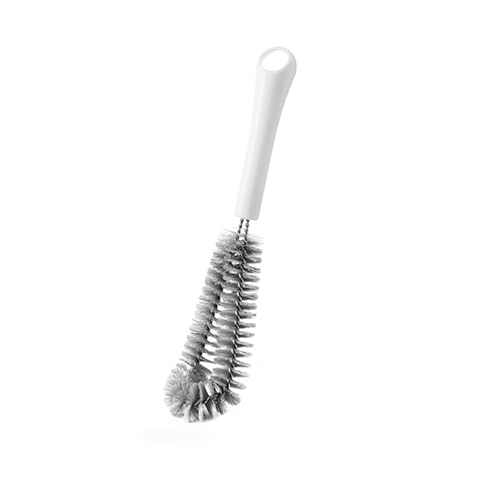
- Ninja coffee maker water reservoir cleaning brush
- Baking soda cleaning Ninja coffee maker

Before You Start
Ensure the machine is unplugged and cool before cleaning. Remove any carafe, filter, and detachable parts, then rinse with warm water. Clear the water reservoir and descale cycles to prevent mineral buildup from affecting taste. Do not mix descalers with other cleaners unless the manufacturer’s instructions allow it. Plan for about 60–90 minutes including multiple rinses. If you notice persistent mineral deposits, repeat the descaling cycle once more before the final rinse.
Step-By-Step: How To Clean A Ninja Coffee Maker Without Vinegar
- Remove detachable parts: carafe, filter, lid, and any removable components. Rinse with warm water.
- Prepare the descaler: dissolve Ninja coffee maker descaling tablets or citric acid per the package directions in the water reservoir.
- Fill the reservoir: add the descaling solution to the indicated level, then fill with clean water as directed.
- Run a cleaning cycle: start a full brew cycle without coffee, allowing the descaling solution to pass through all lines and the brew basket.
- Pause and soak: once the cycle completes, pause for 15–20 minutes to let the solution sit in the internal passages, then resume the cycle.
- Rinse with plain water: run 2–3 full cycles with fresh water to flush the system and remove any descaler taste.
- Clean the reservoir: use the water reservoir cleaning brush to scrub the inside, especially corners and the spout area. Rinse thoroughly.
- Clean the exterior: wipe the housing and control panel with a damp cloth, then dry with a soft towel.
- Inspect and repeat if needed: check for any remaining mineral buildup and repeat cycles if deposits persist.
- Reassemble and test: reattach parts, run a test brew with just water, and then brew a pot of coffee to ensure taste is neutral.
Troubleshooting
| Symptom | Likely Cause | Fix | Prevention |
|---|---|---|---|
| Weird taste after cleaning | Descaler residue | Run 2–3 plain water cycles | Rinse until no odor remains |
| Weak brew after cleaning | Partial cleaning of brew path | Pause longer during cycles and run extra rinses | Complete full descaling cycle |
| Water not dispensing | Clog in reservoir or filter area | Remove and rinse reservoir, clean with brush | Regular maintenance |
| Deposit lingering in carafe | Scale buildup in hot water path | Repeat descaling cycle with fresh solution | Descale every 1–3 months depending on water hardness |
Common Mistakes
- Using household vinegar or unapproved cleaners inside the brewer
- Skipping final rinses, leaving descaler taste in coffee
- Ignoring the reservoir and filter basket during cleaning
- Overfilling the descaler solution beyond recommended levels
- Rushing the pause-and-soak step, which helps mineral deposits loosen
Tips For Best Results
- Follow the descaler’s instructions precisely, including contact time and dilution ratios.
- Use filtered water if your tap water is very hard to reduce mineral buildup.
- Periodically wipe the inner walls of the reservoir with a damp cloth to remove film.
- Schedule routine cleaning every 1–3 months based on usage and water hardness.
- Keep removable parts dry before reassembly to avoid mold or odor.
Call A Professional
Seek professional service if the coffee maker exhibits persistent malfunction, leaking seals, or if cleaning cycles fail to complete after repeated attempts. Stop using the appliance if there is noticeable steam leakage, burning smells, or electrical concerns. A qualified technician can inspect seals, pump, and internal hoses for damage.
FAQ
Can I use baking soda to clean my Ninja coffee maker?
Baking soda can be used for general surface cleaning but is not recommended as a primary descaler inside the brew path. It may leave residues or affect taste.
Is citric acid safe for Ninja machines?
Citric acid descalers are commonly used and generally safe when used as directed by the product instructions. They minimize taste transfer when properly rinsed.
How often should I descale my Ninja coffee maker?
Descale frequency depends on water hardness and usage. A general guideline is every 1–3 months.
What parts should I clean regularly?
Clean the reservoir, lid, brew basket, and carafe after every use. Periodically scrub the interior of the reservoir with a cleaning brush.
Can I run plain water cycles after descaling?
Yes, multiple plain water cycles are recommended to remove any descaler residue.
Buying Guide
Choosing the right descaling and cleaning approach for a Ninja coffee maker depends on several factors. Consider the machine’s model and water hardness when selecting descalers. Look for products labeled safe for Ninja brewers, such as Ninja coffee maker descaling tablets or citric acid descalers. Think about how often you brew and the size of your reservoir to determine how many cleaning cycles are needed per session.
Key buying factors
- <bSize and compatibility: Ensure the descaler kit fits your Ninja model and reservoir size.
- <bDescaler type: Choose between descaling tablets and citric acid-based options based on preference for simplicity and taste neutrality.
- <bEffectiveness: Look for products specifically designed for mineral buildup and residue in Ninja machines.
- <bEase of use: Descaling tablets typically offer straightforward instructions and minimal measuring.
- <bMaintenance tools: A dedicated water reservoir cleaning brush aids regular cleaning.
- <bCost and availability: Consider how often you’ll descale and whether the product is readily available in major retailers.
Remember, the goal is a clean machine that preserves flavor. With the right descaler and a good cleaning routine, a Ninja coffee maker can deliver bright, consistent coffee without vinegar-based cleaning.