Moths can be a nuisance in kitchens, pantries, and laundry areas. Vinegar is a simple, natural option you can use to deter and clean up after moths. This guide explains practical steps, safety tips, and what to have on hand to reduce moth activity and protect fabrics and food storage spaces.
Quick Answer
Mix a vinegar solution in a spray bottle and apply to surfaces where moths gather, such as pantry shelves, corners, and around storage areas. Use microfiber cloths to wipe down surfaces, and repeat regularly to disrupt moth trails and larvae habitats.
What You’ll Need
- 16 oz spray bottle for vinegar solution
- Glass spray bottle with adjustable mist nozzle 16 oz
- Reusable empty spray bottle for cleaning vinegar
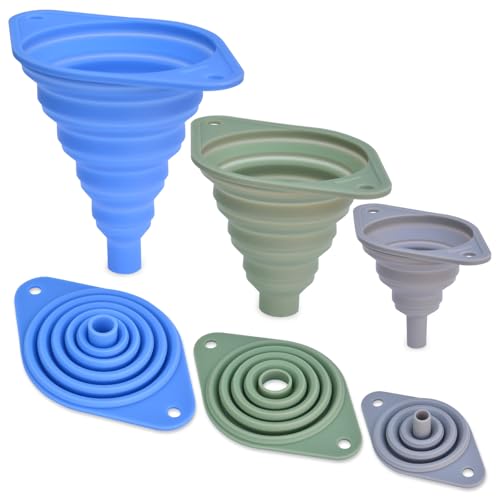
- Funnel for transferring vinegar into spray bottle
- Microfiber cloths for vinegar wipe down and moth cleanup


Before You Start
Prepare a clean, well-lit workspace and ventilate the area. Label each bottle clearly if you create multiple mixtures and keep vinegar out of reach of children and pets. This process is best done on a dry, cool surface away from heat sources. Time estimate: 20–40 minutes for initial treatment, with weekly touch-ups for ongoing control.
Step-By-Step: How To Use Vinegar To Deter Moths
- Fill a 16 oz spray bottle with undiluted white vinegar or a vinegar-water mix as you prefer.
- Attach the adjustable mist nozzle to the glass spray bottle for even coverage.
- Spray vinegar along cupboard edges, shelf corners, pantry seams, and around storage bins where moths may hide.
- Wipe treated areas with a microfiber cloth to remove larvae residues and keep surfaces clean.
- Repeat treatment every 3–5 days during active moth periods to interrupt life cycles.
- Place a dampened microfiber cloth in corners or infested zones to deter ongoing activity without saturating fabrics.
- Inspect stored fabrics, grains, and dried goods for any signs of larvae and remove affected items as needed.
- Seal pantry containers tightly after cleaning to minimize future moth access.
- Schedule regular wipe-downs to maintain a moth-unfriendly environment.
- Combine vinegar cleaning with proper storage: airtight containers, clean shelves, and sealed storage bags.
- Dispose of heavily infested items safely or freeze to kill eggs if necessary.
- Document patterns of moth activity to adjust cleaning frequency and locations.
Troubleshooting
| Symptom | Likely Cause | Fix | Prevention |
|---|---|---|---|
| Continued moth sightings after cleaning | Hidden larvae or eggs in voids | Vacuum cracks, wipe with vinegar, and re-clean shelves | Regular inspections and immediate cleanup of spills |
| Faint vinegar odor persists | Strong concentration or poor ventilation | Dilute with water or open windows while cleaning | Ventilate during and after use |
| Cloth fibers appear damp | Over-wetting surfaces | Wring cloths well and wipe dry after application | Use light mist; avoid soaking fabrics |
| Reinfestation after treatment | Inadequate seal on storage containers | Switch to airtight containers and reseal pantry items | Keep storage areas orderly and pest-free |
Common Mistakes
- Using strong chemicals or mixing vinegar with unknown cleaners that may produce fumes
- Over-wetting surfaces, leading to mold risk or water damage
- Neglecting hidden corners, gaps, and around appliance seals where moths hide
- Relying on vinegar alone without proper storage and cleaning routines
Tips For Best Results
- Use a fine mist setting to cover surfaces evenly without pooling liquid
- Coordinate vinegar cleaning with a pantry purge day—remove old grains and dried goods
- Pair vinegar cleaning with airtight storage for grains, cereals, and pet foods
- Combine with regular vacuuming of shelves and baseboards to remove eggs and larvae
- Label and date stored items to monitor any moth activity over time
Call A Professional
If moth activity persists after multiple cleanings and storage changes, consult a pest-control professional. Seek help if there is widespread infestation, damage to fabrics, or signs of moths in areas not typically prone to pantry pests, such as closets or around electrical outlets. A pro can identify species and provide targeted treatment options beyond household cleaning.
FAQ
Does vinegar kill moth eggs?
Vinegar helps disrupt moth trails and clean eggs from surfaces, but it is not a guaranteed egg-killer. Combine cleaning with thorough storage and monitoring.
Can I use scented vinegars to improve results?
Plain white vinegar is recommended for odor control and safety. Scented vinegars may leave residues or odors that could attract pests.
How often should I clean with vinegar?
Start with every 3–5 days during active moth periods and reduce to weekly or biweekly maintenance once moth activity declines.
Is vinegar safe for food storage surfaces?
Yes, vinegar is generally safe for food-contact surfaces when rinsed or wiped clean after application. Allow surfaces to dry before returning food items.
Buying Guide
Choosing the right spray setup and cleaning supplies can improve effectiveness and ease of use. Consider size, nozzle control, and compatibility with vinegar. A dedicated spray bottle for vinegar ensures consistent application and helps keep cleaning routines efficient.
Key buying factors include:
- Size and capacity: A 16 oz bottle is a versatile option for small-to-medium cleanup tasks.
- Spray nozzle: An adjustable mist nozzle allows for fine or broad coverage depending on the area.
- Material compatibility: Glass bottles reduce chemical interactions and are easy to sanitize; ensure the bottle is BPA-free.
- Ease of transferring liquids: A funnel can simplify filling spray bottles without spills.
- Cleaning accessories: Microfiber cloths enhance wipe-down performance and reduce lint on surfaces.
- Storage and organization: Maintain a dedicated cleaning kit for pantry and fabric areas to prevent cross-contamination.
Question to consider: Do you need more than a basic vinegar spray, or would a compact, labeled kit improve your routine for moth prevention?