Deep cleaning a mattress helps remove dirt, odors, and allergens that accumulate over time. Using a steam cleaner designed for upholstery and fabric can sanitize without harsh chemicals. This guide focuses on safe techniques, tool setups, and practical steps for U.S. households.
Quick Answer
Use a mattress steam cleaner with an upholstery tool to apply steady, sweeping passes. Target stain-prone areas and seams, then allow the surface to dry completely. For best results, follow with a fabric-safe deodorizer or stain-removal kit, and repeat as needed.
What You’ll Need
- mattress steam cleaner machine with upholstery tool
- handheld fabric steamer for mattress deep clean
- carpet steam cleaner attachment for mattress sanitizing
- portable steam cleaner for bed and upholstery with stain removal
- steam cleaner for mattress stain removal kit with attachments
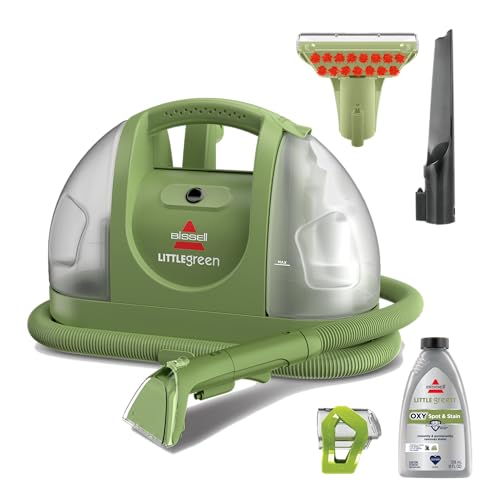
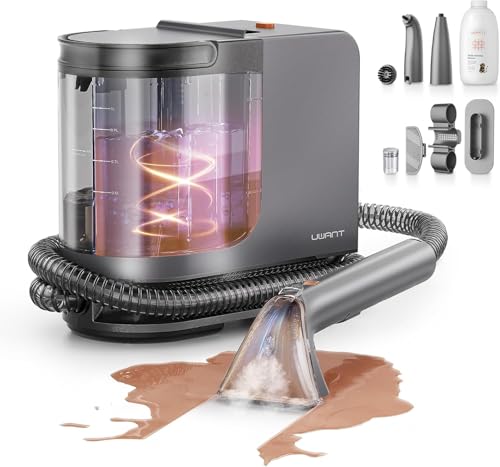

Before You Start
Prepare the area by removing bedding and vacuuming the mattress surface to lift loose debris. Check the mattress label for heat and moisture guidelines to avoid fabric damage. Perform a patch test on a small inconspicuous area with the steam cleaner to ensure there is no color bleeding. Plan for a drying period of several hours or longer in a well-ventilated room. Do not over-wet the mattress to prevent mold growth. Ensure the room has good air circulation and consider a dehumidifier if humidity is high.
Step-By-Step: How To Deep Clean A Mattress With A Steam Cleaner
- Remove all bedding and thoroughly vacuum the mattress to remove dust and debris.
- Fill the steam cleaner’s reservoir with distilled water and, if recommended, a small amount of a mild, fabric-safe cleaning solution.
- Attach the upholstery tool for broad cleaning or the stair/jet nozzle for stubborn stains, depending on the product kit.
- Begin at the far edge of the mattress and work in even, overlapping sweeps to avoid missed spots.
- Focus on seams, corners, and stain-prone areas using targeted passes to lift moisture and contaminants.
- Pause to allow surfaces to dry between sections, especially if the room is humid or there is little airflow.
- Inspect the mattress after the first pass and repeat steaming on any remaining stained areas.
- Once steaming is complete, use a dry towel or microfiber cloth to blot moisture from the surface.
- Ventilate the room and use fans or a dehumidifier to expedite drying. Do not re-cover the mattress until it is fully dry.
- Optionally apply a fabric-safe deodorizer or stain-removal product following the manufacturer’s instructions once the surface is dry.
- Reassemble bedding only after the mattress is completely dry to prevent moisture-related odors or mold growth.
- Store or maintain the steam cleaner according to the user manual to keep it ready for future use.
Troubleshooting
| Symptom | Likely Cause | Fix | Prevention |
|---|---|---|---|
| Stains persist after steaming | Insufficient contact or drying time | Re-apply steam with direct targeting; extend drying period | Treat stains with pre-wash before steaming |
| Moisture remains on mattress | Over-wetting or slow drying environment | Wring tools well; increase airflow and humidity control | Ventilate and use dehumidifier during and after cleaning |
| Color bleeding or fabric damage | Too close proximity or harsh solution | Use cooling, distilled water only; test patch first | Follow manufacturer guidelines strictly |
| Steam cleaner stops producing steam | Clogged nozzle or empty reservoir | Clean nozzle; refill reservoir and purge air | Regular maintenance after each use |
Common Mistakes
- Using strong cleaners not approved for fabric or upholstery
- Over-wetting the mattress, especially with low airflow
- Skipping the patch test on a hidden area
- Rushing the drying process and storing the bed prematurely
Careful preparation and patience reduce the risk of damage and ensure a cleaner, fresher mattress.
Tips For Best Results
- Choose a portable steam cleaner with a dedicated upholstery attachment for consistency across surfaces.
- Always start with the clean water setting and low steam output, then increase if needed.
- Combine steam cleaning with a stain-removal kit for tough spots, following the product’s directions.
- Ventilate the room thoroughly and consider a dehumidifier to shorten drying time.
- After drying, rotate or flip the mattress periodically to maintain even wear.
Call A Professional
Seek professional help if the mattress shows persistent mold, persistent odors after cleaning, or if the stain removal kit cannot address the condition. Stop use and consult a service if you notice swelling, cracking, or any unusual fabric changes.
FAQ
Can I use any steam cleaner on a mattress?
Use a steam cleaner designed for upholstery and fabric, and follow the manufacturer’s instructions for fabrics and heat settings.
Is steam cleaning effective for bed bugs?
Steam can reduce surface bed bugs, but it may not eliminate infestations. Consult a pest professional for persistent issues.
How long does a steamed mattress take to dry?
Drying varies by room conditions; typically several hours with good airflow, sometimes longer in humid environments.
Should I use detergent with steam cleaning?
Only if the cleaner’s guidelines approve it; use fabric-safe solutions recommended by the product to avoid residue.
How often should a mattress be steam cleaned?
Recommendations vary; many households steam-clean a mattress every 3–6 months or as needed for stains and odors.
Is it safe to steam clean memory foam?
When using appropriate low-heat settings and following the mattress manufacturer’s guidance, steam can be used cautiously on memory foam.
What alternatives exist for odor control?
After cleaning, a light, fabric-safe deodorizer or baking-soda-based approach can help manage odors once the surface is dry.
Buying Guide
When selecting a mattress steam cleaner, consider size, noise, and versatility. A compact machine with a strong upholstery tool can reach seams and corners, while larger units may offer more power for repeated use. Look for models with quick heat-up times and a wide range of attachments that support mattress cleaning and upholstery sanitizing. Energy efficiency matters for frequent use, so check water usage and heating cycles. Controls should be intuitive, with adjustable steam levels and clear indicators. Consider placement: a dedicated cleaning closet or a wide, flat surface in a laundry room helps with drying and storage.
Key buying factors include:
- Size and weight for easy maneuvering around a bed
- Steam control options for delicate fabrics
- Effective attachments for upholstery and mattress seams
- Reservoir capacity to minimize refills during cleaning
- Ease of setup, cleaning, and maintenance
- Portability features for use on other fabrics like curtains and couches
For readers seeking flexibility, evaluate models that pair a handheld fabric steamer with a full-size steam cleaner, enabling rapid touch-ups and deeper sanitizing. Always follow the included safety and care guidelines to maximize mattress longevity while achieving a thorough clean.