Cleaning a Weber grill cover helps extend its life and keeps outdoor cooking spaces looking neat. This guide provides practical steps, product recommendations, and safety tips for effective maintenance of vinyl and fabric grill covers commonly used with Weber grills in American backyards.
Quick Answer
Follow a simple routine: wipe away loose debris, wash with a mild cleaner, rinse thoroughly, and air dry completely. For vinyl covers, finish with a protectant spray to repel water and stains. For fabric covers, use a fabric-safe cleaner to avoid color fading and preserve breathability.
What You’ll Need
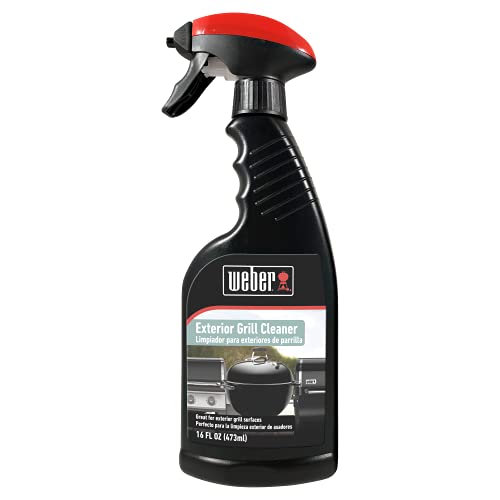
- Weber grill cover cleaner spray vinyl
- outdoor vinyl grill cover cleaning brush
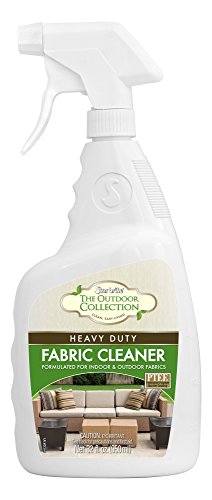
- fabric grill cover cleaner spray outdoor
- grill cover cleaning sponge scrub pad
- Weber grill cover protectant spray vinyl

Before You Start
Prep the area in a shaded, well-ventilated space. Ensure the grill is cool and use gloves to protect hands. Test cleaners on a small hidden area to avoid discoloration. Time estimates: 20–40 minutes for a thorough clean and 10–20 minutes for a quick refresh. Avoid harsh solvents and high-pressure washers that could damage vinyl or fabric surfaces. Keep cleaners away from gardens and pets.
Step-By-Step: How To Clean A Weber Grill Cover
- Remove loose dirt and dust with a dry brush or cloth to prevent grinding grime into the fabric or vinyl.
- Rinse the cover with a gentle spray of water to loosen surface debris before applying cleaners.
- Apply Weber grill cover cleaner spray vinyl or fabric grill cover cleaner spray outdoor to the respective surface, following label directions.
- Use the outdoor vinyl grill cover cleaning brush or grill cover cleaning sponge scrub pad to scrub in circular motions, focusing on stains and mildew areas.
- Rinse thoroughly with clean water to remove all soap residues, ensuring no sticky film remains.
- For vinyl, apply Weber grill cover protectant spray vinyl evenly once dry to add UV resistance and water repellency.
- For fabric covers, ensure complete air drying in a shaded area; avoid direct sun until fully dry to prevent shrinkage or color fading.
- Inspect seams and hems for wear; if needed, spot-clean frayed areas and consider repairs or replacement if damage is extensive.
- Store the cover in a dry place when not in use to prevent moisture buildup and mildew growth.
- Establish a seasonal cleaning routine, typically every 3–6 months depending on exposure and climate.
Troubleshooting
| Symptom | Likely Cause | Fix | Prevention |
|---|---|---|---|
| Stiff or tacky vinyl after cleaning | Soap residue or incompatible cleaner | Rinse thoroughly; re-wash with a mild cleaner and water | Use cleaners recommended for vinyl |
| Discolored fabric after wash | Harsh cleaners or sun exposure | Spot-clean with fabric-safe cleaner; avoid bleach | Test on hidden area; wash in shade |
| Persistent mildew on fabric | Moisture retention | Re-clean with a mildew-approved spray and ensure complete drying | Dry thoroughly; store in dry place |
| Water beads poorly on vinyl after protectant | Old or incompatible product | Reapply a certified vinyl protectant | Follow product directions and allow full cure time |
Common Mistakes
- Using bleach or high-power washers on vinyl or fabric covers
- Washing in direct sunlight, which can fade colors and warp materials
- Skipping thorough drying, which invites mildew or mold growth
- Overlooking seams and fasteners during cleaning
Tips For Best Results
- Test cleaners on a hidden area first to ensure colorfastness and material compatibility.
- Work in sections to avoid soap residue drying on the surface.
- Store covers in a breathable bag or container to reduce moisture buildup.
- Pair cleaner and protectant products that are designed for vinyl or fabric specifically.
Call A Professional
Consider a pro if the cover shows deep mildew that resists cleaning, extensive fabric wear, or stubborn damage to seams. Seek professional help if the cover has structural issues that require stitching, replacement parts, or color restoration beyond consumer-grade products.
FAQ
Can I use regular household cleaners on a Weber grill cover?
Stick to cleaners labeled for vinyl or fabric grill covers; household cleaners can be too harsh or leave residues.
How often should I clean a Weber grill cover?
Clean at least every 3–6 months, or sooner in dusty or rainy climates to prevent mildew and dirt buildup.
Is it safe to apply a vinyl protectant spray after cleaning?
Yes, when the product is specifically formulated for vinyl and fully dry, it helps repel water and dirt.
What should I do if the cover still smells musty after cleaning?
Repeat cleaning with a mildew-friendly cleaner, ensure complete drying, and store in a dry, ventilated space.
Can I machine-wash a fabric grill cover?
Check manufacturer guidance; many fabric covers are not machine washable and require hand-cleaning.
Should I dry the cover indoors or outdoors?
Air dry in shade or a well-ventilated area to prevent sun damage and fabric fading.
How can I prevent future staining on vinyl covers?
Apply a vinyl protectant spray after cleaning and rinse off salt spray or rain promptly.
Buying Guide
When selecting a replacement or upgrade for Weber grill cover maintenance, consider size, material, and maintenance needs. A vinyl cover typically offers excellent water resistance and easy cleaning, while fabric covers may be lighter and breathable but require more care for mildew. Look for UV resistance, venting features, and reinforced seams to extend lifespan. Noise levels are not a factor for covers but ensure storage areas are clear of sharp objects that could tear vinyl. Compare different controls in cleaning routines, such as spray-on cleaners versus wipe-on formulas, and choose products compatible with your cover’s material. Consider placement: a shaded, dry area reduces sun damage and mildew risk. If you live in humid or salty coastal environments, prioritize moisture management and mildew prevention features. For those who clean frequently, a dedicated vinyl cleaner spray and a fabric cleaner spray can simplify maintenance and keep covers looking new longer.