Maintaining a garbage disposal involves more than quick rinses and occasional tumbling. A thorough deep clean helps remove buildup, sanitize the grind chamber, and prevent odors from lingering. This guide outlines practical steps using common disposal cleaners and tools to keep the unit running smoothly and smelling fresh.
Quick Answer
Deep cleaning a garbage disposal can be done with a regular cleaning routine: use disposal cleaning tablets or citrus cleaners to dissolve grime, a dedicated cleaning brush to scrub the chamber, and a maintenance kit to support ongoing care. Run cold water, grind ice, and finish with deodorizer tablets to keep smells at bay.
What You’ll Need
The following tools and supplies cover routine cleaning and preventive care. Gather these before starting to streamline the process.
- Garbage disposal cleaning tablets
- Garbage disposal cleaning brush
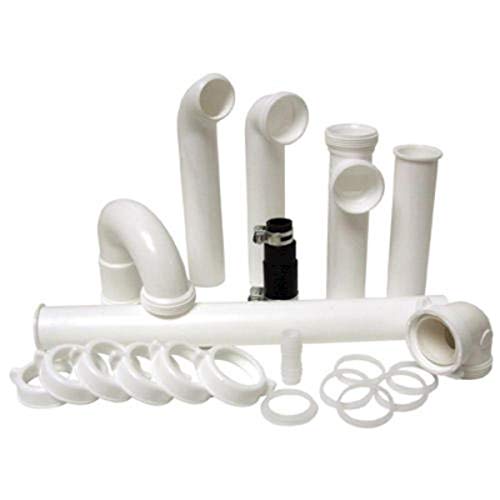
- Garbage disposal maintenance kit
- Garbage disposal deodorizer tablets
- Citrus garbage disposal cleaner


Before You Start
Before diving in, ensure the disposal is turned off at the wall or circuit breaker to prevent accidental activation. Clear the area under the sink and have a towel handy for any splashes. Never put hands or utensils into the grinding chamber while the unit is powered. Plan for a 15–30 minute session, depending on how thorough you want the cleaning to be. If the disposal has abnormal noises, leaks, or repeated clogs, address these issues separately before deep cleaning.
Step-By-Step: How To Deep Clean A Garbage Disposal
- Protect the area under the sink with a towel or tray to catch splashes and drips.
- Fill the sink with a small amount of water and add a citrus garbage disposal cleaner or a cleaning tablet per the product instructions.
- Turn the disposal on and run cold water while the cleaner dissolves. Let it run for about 30 seconds to circulate.
- Turn off the disposal and remove any visible debris from the splash guard using the garbage disposal cleaning brush. Gently scrub the blades and the underside of the splash guard.
- Run cold water again and start the disposal to flush out loosened grime. Add a second cleaning tablet if recommended by the product guidelines.
- For a deeper clean, drop a few ice cubes into the disposal and run the unit with cold water. The ice helps scrub the interior surfaces as it wears down.
- If using a citrus cleaner, slice a lemon or lime and feed pieces steadily into the running disposal to release fresh oils and improve scent.
- After the cycle, rinse with cold water and run the disposal for an additional 15–20 seconds to clear any remaining residue.
- Apply a garbage disposal deodorizer tablet or the deodorizer included in the maintenance kit to keep odors at bay between cleanings.
- Dry the area and inspect the seals and gasket. If the unit shows signs of wear, consult a professional before using the disposal again.
- Store the cleaning tools and products out of reach of children and pets, following the manufacturer’s storage guidelines.
Troubleshooting
| Symptom | Likely Cause | Fix | Prevention |
|---|---|---|---|
| Persistent odor after cleaning | Residual organic buildup | Repeat cleaning with citrus cleaner and deodorizer tablet | Clean monthly or after heavy usage |
| Disposal doesn’t grind | Jammed blades or blockage | Turn off power, check for jams, remove debris with tongs | Avoid fibrous scraps |
| Unusual noises during operation | Loose components or foreign objects | Inspect mounting and interior for debris | Run disposal with water and avoid hard objects |
| Leaks around the seal | Worn gasket or loose connection | Tighten fittings or replace seal | Schedule periodic gasket checks |
Common Mistakes
- Using hot water exclusively, which can encourage oily residue to cling rather than flush away
- Pouring harsh chemical cleaners down the disposal, which may damage components
- Overfilling the sink with water or debris before cleaning, making the process less effective
- Ignoring safety steps and attempting to clean with the unit powered
- Neglecting deodorizing between deep cleans, leading to recurring odors
Tips For Best Results
- Perform a quick weekly rinse with cold water and a citrus cleaner to maintain freshness between deep cleans
- Use the cleaning brush to scrub the splash guard and interior walls for best sanitation
- Incorporate a maintenance kit into the routine every few months to support seals and bearings
- Keep a drain-safe deodorizer on hand to neutralize smells as they arise
- Avoid grinding tough fibrous materials like corn husks, onion skins, or coffee grounds in large quantities
Call A Professional
Consider a professional if any of the following occur: persistent leakage around the unit, repeated jams despite maintenance, electrical smells or burning, or persistent, strong odors after multiple cleanings. If the unit is under warranty, check coverage before attempting major repairs or seal replacements.
FAQ
How often should I deep clean a garbage disposal?
Aim for a deep clean every 1–3 months, depending on usage and odor presence.
Can I use bleach to clean my garbage disposal?
Bleach can be harsh on seals and plumbing; use manufacturer-recommended cleaners or citrus-based options instead.
Is it safe to put citrus peels in the disposal?
Yes, citrus peels are generally safe and can help freshen and deodorize, but avoid large quantities at once and run water while grinding.
What should I do if the disposal is clogged after cleaning?
Shut off power, remove visible obstructions, and flush with cold water. If unresolved, contact a professional.
Are garbage disposal maintenance kits worth it?
Maintenance kits help protect seals, bearings, and overall performance, especially in households with heavy disposal use.
Can I use ice to clean the disposal?
Yes, ice helps scrub interior surfaces when ground with cold water; use in small batches to avoid jams.
Buying Guide
When choosing products to support deep cleaning and ongoing care, consider several factors to optimize results and fit your kitchen setup.
- Size and compatibility: Ensure cleaning tablets and brushes fit your disposal model and sink configuration. Some kits include universal brushes and adapters that work with most brands.
- Noise level: While cleaning products don’t directly affect noise, a well-maintained unit often runs quieter during normal operation, reducing sounds caused by buildup.
- Energy efficiency: A well-kept disposal uses energy efficiently; routine cleaning helps maintain performance without increasing energy use.
- Controls and ease of use: Look for kits with simple instructions and pre-measured tablets for predictable results.
- Placement and storage: Store cleaning products in a cool, dry place under the sink away from children. If you have a smaller cabinet, consider compact kits that include a brush and compact tablets.
- Odor control: Deodorizer tablets provide ongoing freshness between deep cleans and are a valuable addition to citrus cleaners.
- Maintenance scope: A full maintenance kit often covers multiple parts and accessories, reducing the need to buy separate items.