Metal blinds add a sleek, durable look to many rooms, but they can collect dust and fingerprints quickly. This guide provides practical, at-a-glance steps to clean metal blinds safely and efficiently in a typical American home.
Whether you’re tackling Venetian slats or vertical panels, the methods below emphasize accessible tools and routine maintenance that keeps blinds looking fresh with minimal effort.
Quick Answer
Best overall method: use a combination of a microfiber duster with an extendable reach and a vacuum attachment to lift dust, followed by a damp wipe for stubborn grime. For tight spaces, a dedicated blinds cleaning brush set helps prevent scratches. Regular cleaning reduces buildup and extends the blinds’ life.
What You’ll Need
- Microfiber duster for metal blinds extendable
- Extendable dusting wand for window blinds
- Vacuum attachment for cleaning blinds
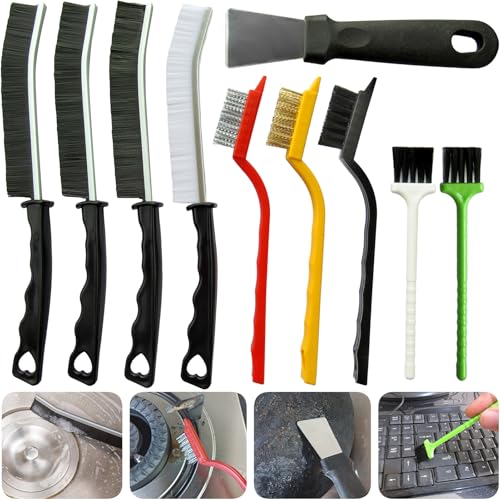
- Blinds cleaning brush set metal blinds
- Electric dusting brush for blinds


Before You Start
Clear the area around the blinds to prevent knockoffs or spills. Close the blinds to inspect both sides. Safety note: unplug nearby electrical devices if you plan to use a powered brush. Work from top to bottom to minimize re-dusting. Time estimate: 20–40 minutes for a standard set of blinds.
Step-By-Step: How To Clean Metal Blinds
- Put on a lightweight, flexible extendable dusting wand and gently sweep the top rail to dislodge loose dust.
- Lower the blinds a few inches and run the microfiber duster for metal blinds along each slat in a consistent direction to lift dust off the surface.
- Flip the blinds to the opposite side and repeat to ensure both sides are addressed.
- Use the vacuum attachment for cleaning blinds on a low suction setting to gently pull dust from between slats without bending them.
- For stuck grime, switch to the blinds cleaning brush set metal blinds and scrub a small section in a circular motion.
- Dust the edges and corners with the electric dusting brush for blinds to reach narrow gaps and the headrail.
- Wipe down each slat with a barely damp microfiber cloth if residue remains; avoid soaking metal to prevent warping.
- Allow blinds to air dry completely before raising them fully to prevent moisture buildup behind the slats.
Troubleshooting
| Symptom | Likely Cause | Fix | Prevention |
|---|---|---|---|
| Dust returns quickly | Infrequent cleaning | Increase cleaning frequency to weekly or biweekly | Schedule regular quick dusting |
| Streaks after wiping | Moisture left on slats | Wring cloth well and use minimal dampness | Dry each slat with a dry microfiber |
| Slats bent or creased | Rough brushing | Switch to softer brushes; avoid scrubbing | Use gentle strokes only |
| Dust between slats | Deep buildup | Vacuum with angled attachment; use brush if needed | Regular maintenance |
Common Mistakes
- Over-wetting metal blinds, which can cause warping or corrosion
- Using abrasive scrubs that scratch the slats
- Neglecting the headrail and cords, where dust accumulates
- Pushing slats too hard when cleaning; this can deform the shape
Tips For Best Results
- Schedule a quick weekly dusting with an extendable wand for ongoing ease.
- Dust from top to bottom to minimize recontamination on lower slats.
- When possible, detach blinds for a thorough cleaning and lay flat to dry completely.
- Use sealed, machine-washed microfiber cloths for consistent performance.
Call A Professional
Seek professional help if blinds are severely stained, warped, or if cords are frayed. Signs to contact a pro include persistent mold, rust, or mechanical failure in the tilt mechanism. Do not attempt repairs beyond basic cleaning if the blinds are under warranty or show obvious structural damage.
FAQ
Can I use water to clean metal blinds?
Light dampness is acceptable, but avoid soaking the blinds to prevent warping and moisture damage.
How often should metal blinds be cleaned?
For typical households, a quick weekly dusting and a deeper clean every 1–2 months works well.
What tools work best for tight slats?
An extendable wand and a blinds cleaning brush set are most effective for narrow gaps.
Are metal blinds sensitive to cleaning products?
Avoid harsh chemicals; use mild cleaners or plain water with a microfiber cloth to protect finishes.
Buying Guide
Choosing the right accessories and maintaining metal blinds requires considering several factors. Size, slat width, and the mounting style influence cleaning approaches and tool compatibility. Noise level and energy efficiency are usually not primary concerns for blinds themselves, but motorized options may impact cleaning routines if you opt for automated tilt or remote-control systems.
Key buying factors include:
- Size and slat width: Ensure tools reach all slats, especially for wider or decorative blinds.
- Materials matching: Skin-friendly microfiber fabrics and non-abrasive brushes preserve finishes.
- Cleaning tools: Extendable wands and tailored brush sets improve reach and effectiveness.
- Compatibility: Vacuum attachments should fit your vacuum model and be gentle on the blinds.
- Maintenance access: Choose blinds with accessible headrails and tilt mechanisms for easier upkeep.
For most households, combining a microfiber duster with an extendable reach and a compatible vacuum attachment offers a practical, affordable approach. If you regularly clean many blinds, consider a dedicated blinds cleaning brush set to streamline the process and protect slats from scratches. Would you like help selecting tools that fit your blinds’ size and your vacuum model?