Vaulted ceilings create an open, airy feel in many American homes, but they also pose cleaning challenges. The key is to plan, use the right tools, and follow safe techniques to reach high, sloped surfaces without causing damage or strain.
This guide provides practical steps, specific tool recommendations, and safety tips to help homeowners maintain dust-free, bright vaulted ceilings with minimal effort.
Quick Answer
Use an extendable, on-axis cleaning method with a telescoping ceiling duster or angled ceiling brush, paired with an adjustable ladder for stability. Clean from the top down, in light, sweeping motions, and recheck corners and beams for dust buildup.
What You’ll Need
- Telescoping ceiling duster with microfiber head
- Angled ceiling brush for vaulted ceilings
- Extension pole for high ceilings cleaning aluminum
- Ceiling cleaning kit with microfiber cloth and adjustable pole
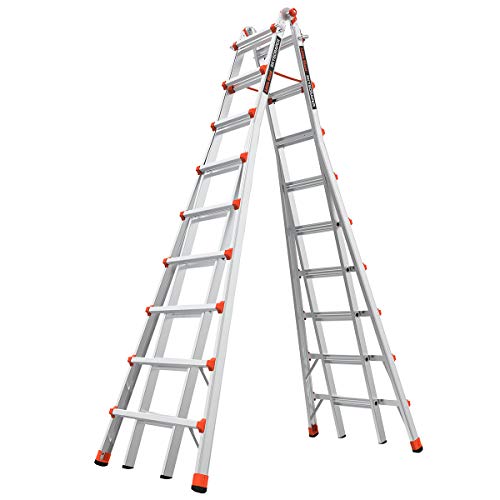
- Adjustable ladder for vaulted ceiling cleaning

Before You Start
Assess the ceiling height and slope to choose the correct tool length. Clear furniture and floor space to create a safe cleaning path. Wear a dust mask if the room is dusty, and use safety goggles when working near beams or fixtures. Never stand on an unstable surface to reach high areas; use a stable ladder and have a helper if possible. Allow for several light passes rather than a single aggressive sweep.
Estimate time: 45–90 minutes depending on room size and ceiling height. Plan for small sections first and take breaks as needed to avoid fatigue.
Step-By-Step: How To Clean Vaulted Ceilings
- Prepare tools and test reach: Extend the pole and test the duster’s reach on a low spot before beginning on the peak.
- Dust from the top down: Start at the apex and work downward toward walls to prevent recontamination of cleaned areas.
- Use a light touch: Glide the microfiber head in smooth, sweeping motions to trap dust without dislodging ceiling material.
- Angle for corners and beams: For vaulted corners and ridges, switch to the angled ceiling brush and adjust the angle to flush dust away from joints.
- Coordinate ladder safety: If you need to descend, lower the ladder cautiously and never reach while on the top rung. Have a helper stabilize the ladder if possible.
- Address fixtures and vents: Use a shorter tool or handheld duster for ceiling fans, vents, or recessed lighting to avoid streaks and damage.
- Spot-clean stubborn dust: For sticky film or cobwebs, dampen a microfiber cloth slightly and wipe, then dry with a clean section of the same cloth.
- Inspect after cleaning: Recheck the entire surface, especially high corners and overhangs, to ensure all dust has been removed.
- Store tools properly: Rinse and dry microfiber heads, collapse extendable poles, and store ladders safely to prolong tool life.
- Plan periodic maintenance: For homes with HVAC or open beams, repeat cleaning every 3–6 months to maintain brightness and air quality.
- Document any ceiling damage: If you notice cracks, water stains, or loose materials, stop cleaning and assess with a professional as needed.
Troubleshooting
| Symptom | Likely Cause | Fix | Prevention |
|---|---|---|---|
| Dust resettling quickly after cleaning | Residual dust in air currents or nearby ducts | Wipe twice with a fresh microfiber pad; consider air filtration | Keep windows closed during cleaning; use a lightweight dusting spray cautionarily |
| Streaks or smudges on ceiling | Moisture from damp cloth or dirty pad | Use a nearly dry microfiber head; replace cloths frequently | Maintain a dry-to-damp approach, not soaking wet |
| Dust not reaching peak areas | Insufficient pole length | Switch to a longer telescoping or extension pole | Check tool specifications before starting |
| Beams or corners still dusty | Angles not adjusted for tight spaces | Use angled ceiling brush with a tailored angle | Test small area first and adjust technique |
Common Mistakes
- Using a heavy, short ladder that limits reach
- Rushing through corners and fixtures
- Over-wetting microfiber pads or cloths
- Neglecting to test a new tool on a small area first
Tips For Best Results
- Choose microfiber heads that trap dust rather than just push it around.
- Maintain even, slow strokes to capture dust and prevent streaks.
- Rotate through clean sections of the pad to maintain cleaning effectiveness.
- Schedule cleaning during daylight to better spot dust and cobwebs.
- Combine with a ceiling-friendly ladder system for safer long-clean sessions.
Call A Professional
Consider professional help if the vaulted ceiling area is damaged, there are water stains, or high ceilings require more specialized equipment. Stop cleaning if the ladder shows instability or if you encounter exposed wires, delicate finishes, or mold growth. When in doubt, contact a licensed contractor or safety-certified service for assessment and remediation.
FAQ
What tools are best for vaulted ceilings?
A telescoping ceiling duster with a microfiber head or an angled ceiling brush paired with an extension pole works well for most vaulted ceilings.
How often should vaulted ceilings be cleaned?
Most homes benefit from cleaning every 3–6 months, depending on dust levels, pets, and HVAC activity.
Can I use water to clean vaulted ceilings?
Lightly dampen the microfiber head if needed, but avoid soaking the ceiling to prevent damage or stains.
What safety precautions are essential?
Use a stable ladder, avoid standing on unstable surfaces, wear eye protection, and have a helper when working at height.
Should I clean fixtures separately?
Yes. Use a smaller tool or cloth for vents, fans, and light fixtures to avoid streaks and ensure thorough cleaning.
Is it okay to use a vacuum for vaulted ceilings?
Vacuuming is usually not recommended on soft, plaster, or painted ceilings unless you have a low-suction attachment designed for delicate surfaces.
Buying Guide
When selecting tools for cleaning vaulted ceilings, consider size, weight, and reach. A telescoping extender that locks at multiple lengths helps you adapt to different ceiling angles without overreaching. Noise level matters in open-plan spaces, so look for smoother motorized handles or manual options. Energy efficiency is less critical for tools, but choosing lightweight aluminum poles reduces fatigue.
Controls should be intuitive; test a model with an adjustable angle head to navigate slopes and corners easily. Placement is another factor—store gear in a safe closet or utility room near the cleaning area for quick access. Compare kits that bundle a microfiber head, an adjustable pole, and a stable ladder versus individual components to ensure you have all essential pieces for vaulted ceilings.