Brick patio pavers add timeless charm to outdoor spaces, but they require regular cleaning to maintain their color and curb appeal. This guide provides practical, step‑by‑step instructions using common cleaning tools and products suited for American homes. It covers dirt, stains, and efflorescence while preserving the integrity of brick and joints.
Followers of this method will learn how to select the right equipment, prepare the area, and perform cleaning without damaging the pavers. The approach emphasizes safety, efficiency, and long‑lasting results to keep brick patios looking fresh year after year.
Quick Answer
Best starting approach: use a 1800 psi pressure washer with a rotating surface cleaner for even cleaning, paired with a stiff‑bristle brush for stubborn spots. Apply a brick paver cleaner or efflorescence remover concentrate as needed, then seal for protection after drying.
What You’ll Need
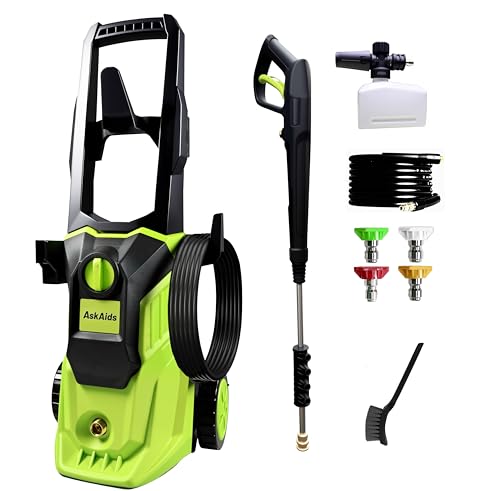
- 1800 psi pressure washer for brick patio pavers
- Rotating surface cleaner for brick patio pavers
- Stiff-bristle nylon cleaning brush for brick pavers
- Paver cleaning solution brick patio efflorescence remover concentrate
- Brick paver sealer and cleaner kit


Before You Start
Assess the patio for loose bricks, overly cracked joints, or vegetation growth. Remove furniture and debris from the area. Protect nearby plants by using plastic sheeting or a spray shield. Test a small, inconspicuous area first to verify that the cleaner and pressure setting won’t damage the brick or mortar. Plan for a dry, mild day with no rain in the forecast to allow proper drying time.
Important cautions: never use high pressure directly on mortar joints; start with a lower setting and gradually increase. Wear eye protection and gloves during cleaning. Avoid mixing cleaning solutions with other cleaners unless the product instructions explicitly permit it.
Step-By-Step: How To Clean Brick Patio Pavers
- Clear the area and cover plants; remove furniture and loose debris.
- Rinse the surface with water to wet the bricks and loosen loose dirt.
- Apply the appropriate cleaning solution from the brick paver cleaner kit or efflorescence remover concentrate as directed on the label.
- Use the rotating surface cleaner attached to the 1800 psi pressure washer to clean in wide, even sweeps, overlapping strokes.
- For stubborn stains, scrub with a stiff-bristle nylon cleaning brush, working in small sections.
- Rinse the area thoroughly with the pressure washer to remove all cleaner residue.
- Inspect for remaining staining or efflorescence and repeat treatment if necessary.
- Allow the pavers to dry completely before moving furniture back and resealing, if chosen.
- Apply a brick paver sealer and cleaner kit if sealant protection is desired, following product instructions and drying times.
- Recheck joints and re‑treat mortar lines if moss or algae remain along edges.
- Perform routine maintenance by sweeping and occasional light cleaning to prevent buildup.
Troubleshooting
| Symptom | Likely Cause | Fix | Prevention |
|---|---|---|---|
| Streaks after washing | Uneven cleaning or residue | Rewash with rotating surface cleaner; ensure complete rinsing | Use consistent passes and keep nozzle at appropriate distance |
| Efflorescence returns | Residual mineral deposits or moisture | Apply dedicated efflorescence remover; dry thoroughly before sealing | Seal after dry; ensure proper drainage |
| Brick color fades | Excessive pressure or harsh cleaners | Lower pressure and switch to milder cleaner | Test area first; use manufacturer‑recommended products |
| Moisture retained in joints | Poor drainage or overwatering | Improve drainage or brush out joints when dry | Keep area ventilated during cleaning |
Common Mistakes
- Using very high pressure directly on mortar joints, which can cause flaking or cracks
- Neglecting to rinse thoroughly, leaving cleaner residue that attracts more dirt
- Ignoring dry times before sealing, leading to ineffective or cloudy sealant
- Over‑saturating joints with water, which can encourage mildew growth
Tips For Best Results
- Work in shaded sections to prevent rapid drying that can leave uneven residues
- Test cleaning solutions on a small area before full application
- Keep a consistent distance from the surface with the pressure washer to avoid streaks
- Follow the cleaner kit’s instructions for dilution, contact time, and rinse methods
- Seal only when bricks are fully dry to ensure strong adhesion and even color protection
Call A Professional
Consider a pro if the patio shows significant structural damage, extensive efflorescence that recurs after cleaning, or if the joints are severely cracked. Signs to seek expert help include crumbling mortar, loose bricks, or persistent staining despite repeated treatments. A professional can safely assess drainage, substrate condition, and recommend a long‑term maintenance plan.
FAQ
What is the best pressure setting for brick pavers?
Around 1500–1800 psi is typically effective for brick pavers without damaging mortar; start lower and test a small area.
Can I use a standard garden hose instead of a pressure washer?
A hose provides insufficient cleaning for deeply stained brick; a pressure washer or professional cleaning is recommended.
How long should I wait before applying sealant after cleaning?
Allow bricks to dry completely, usually 24–48 hours depending on weather; follow the sealant’s specific drying requirements.
Will cleaning kill moss or algae on brick pavers?
Brushing and cleaning can remove most growth; for persistent areas, apply a designated cleaner or algaecide according to product directions.
Is efflorescence permanent on brick?
Efflorescence is mineral residue that can reappear; using a dedicated remover and proper sealing helps reduce recurrence.
Buying Guide
Choosing the right equipment and products for brick patio cleaning involves several factors. Size and layout of the patio influence the type of cleaning tools needed; larger areas benefit from a rotating surface cleaner to save time and ensure even coverage. Noise level matters for homes near bedrooms or neighbors, especially with pressure washers operating in the morning. Energy efficiency is less of a concern for cleaning equipment, but reliable electric or gas models with good build quality last longer and reduce maintenance.
Controls should be simple: adjustable pressure, easy wand access, and clear spray patterns help deliver consistent results. Placement considerations include proximity to living spaces, water runoff handling, and protecting vegetation with shields. Compatibility with cleaning solutions is essential; ensure the kit or concentrate is safe for brick and mortar. Finally, verify compatible accessories like stiff-bristle brushes and rotating surface cleaners to maximize cleaning efficiency.