Silver coins are prized for their shine and value, but cleaning them requires care to avoid damage. This guide walks through practical, safe methods using common tools and materials, with clear steps and safety notes to protect numismatic quality while restoring brightness.
Appropriate cleaning can improve appearance, but aggressive methods or harsh chemicals can scratch or remove patina that adds historical value. Readers should weigh the coin’s value and rarity before attempting deep cleaning, and consider professional conservation for high-grade specimens.
Quick Answer
Choose gentle methods first. Start with soft brushes and microfiber cloths, then use a Tarnish Remover Gel only if coins are heavily tarnished. For delicate or valuable coins, seek professional assessment before cleaning.
What You’ll Need
- Silver coin cleaning kit with soft bristle brush and polishing cloth
- Nylon soft-bristle coin cleaning brush set
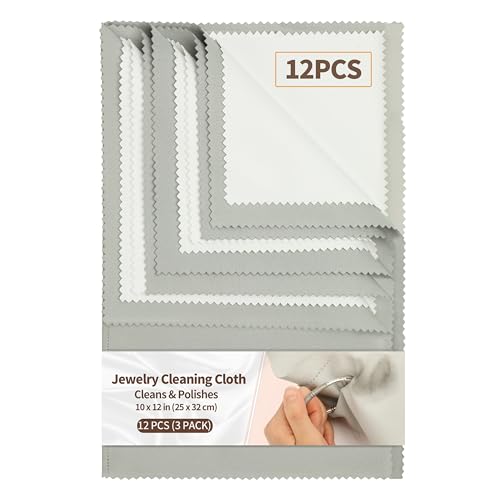
- Microfiber polishing cloth for silver coins
- Tarnish remover gel for silver coins (for heavy tarnish only)
- Ultrasonic cleaner for coins and jewelry (optional, for durable coins)


Before You Start
Inspect each coin for value and whether it is collectible. Do not over-clean; excessive cleaning can reduce market value. Work in a clean, lint-free area away from dust, and wear non-scratch gloves if handling delicate coins. Keep cleaning solutions away from skin and eyes, and rinse coins thoroughly after any chemical treatment.
Time estimates vary: light cleaning may take 5–15 minutes per batch, while deeper cleaning with gels or ultrasonic baths can take 20–40 minutes. For coins with delicate edges or inscriptions, maintain minimal contact and avoid abrasive motions.
Step-By-Step: How To Clean Silver Coins
- Set up a shallow, soft-cleaning basin with lukewarm distilled water. Prepare your cloths and brushes nearby for quick moves during the process.
- Gently rinse coins under lukewarm water to remove loose dirt. Pat dry with a microfiber polishing cloth for silver coins to prevent water spots.
- If tarnish remains, use nylon soft-bristle coin cleaning brush set to loosen surface grime with light, circular motions. Avoid scrubbing hard on any engravings.
- For slightly tarnished coins, rub with a soft polishing cloth, applying minimal pressure and following the coin’s orientation. Do not rub across letters or devices.
- When using a tarnish remover gel for silver coins, apply a small amount as directed, typically rubbing gently and rinsing thoroughly with distilled water. Dry with a lint-free cloth.
- If utilizing an ultrasonic cleaner for coins and jewelry, place coins in a mesh or basket to prevent movement. Use a short cycle with plain water and a mild cleaning solution only if the manufacturer approves silver coins specifically.
- Inspect each coin after cleaning. If any discoloration or dullness persists, repeat the gentle methods or stop and consult a professional for valuable pieces.
- Store coins in a dry, low-humidity environment, ideally in protective holders that minimize contact with air.
- Document the process and notes about any changes in appearance to track value and condition over time.
- Dispose of cleaning solutions according to local guidelines and keep all tools clean for future use.
Troubleshooting
| Symptom | Likely Cause | Fix | Prevention |
|---|---|---|---|
| Coin looks dull after cleaning | Residual tarnish or heavy cleaning | Re-clean gently with microfiber cloth; avoid abrasive scrubs | Limit cleaning duration and use soft tools |
| Scratches visible | Abrasive brushing or improper tools | Stop cleaning that area and consult a pro for affected coins | Use proper brushes and gentle pressure |
| Color uneven or rainbow tones | Chemical reaction or improper rinsing | Rinse with distilled water thoroughly; re-polish with clean cloth | Rinse completely after any chemical use |
| Edges flaking or inscriptions fading | Over-cleaning or aggressive methods | Cease cleaning and seek professional assessment | Preserve original patina where appropriate |
Common Mistakes
- Over-cleaning valuable coins, which can reduce value.
- Using abrasive brushes or household chemicals not designed for coins.
- Ignoring manufacturer guidance when using ultrasonic cleaners.
- Rinsing with tap water when minerals could leave deposits.
- Handling coins with bare hands, leading to oils and fingerprints.
Tips For Best Results
- Test a small, inconspicuous area first to gauge reaction.
- Use distilled water to avoid mineral residues during rinsing.
- Choose tools that are specifically designed for coins to minimize damage.
- Store coins in humidity-controlled environments to slow tarnish reblooming.
Call A Professional
Consider professional assistance if coins are highly valuable, heavily tarnished, or have significant historical importance. Stop cleaning and seek expert advice if any of the following occur: visible material loss, hairline cracks, unusual coloration, or inscriptions becoming unclear. For coins with numismatic value, professional conservation preserves both aesthetic and monetary worth.
FAQ
Is it safe to clean all silver coins at home?
Most common silver coins can be cleaned gently at home, but valuable or ancient coins may lose value with cleaning. Assess value and consider professional care for rare pieces.
What is the best method for light tarnish on silver coins?
Gently brush with nylon soft-bristle brushes and finish with a microfiber cloth. Rinse and dry thoroughly to prevent water spots.
Can an ultrasonic cleaner damage coins?
Yes, ultrasonic cleaners can cause harm if used improperly or on sensitive coins. Use only when manufacturer guidance confirms suitability.
How should I store cleaned silver coins?
Store in individual holders or flips in a dry, low-humidity environment, away from PVC materials that can off-gas.
When should I avoid cleaning altogether?
Avoid cleaning if the coin is exceptionally valuable, heavily worn, or shows potential for value loss due to cleaning.
What about tarnish remover gels?
Use sparingly and only for coins with noticeable tarnish. Follow product directions and rinse thoroughly to remove residue.
Buying Guide
When choosing cleaning tools and products for silver coins, consider size, materials, and compatibility with your coin collection. The right kit should offer soft brushes, microfiber cloths, and safe cleaning solutions that fit your care routine. Here are key buying factors to compare:
- Size and scope: Determine whether you need a small starter kit or a comprehensive set for many coins.
- Brush quality: Nylon or brass brushes exist; for silver coins, soft nylon brushes prevent scratching.
- Cloth material: Microfiber cloths reduce lint and friction on surfaces.
- Cleaning solutions: Choose tarnish removers with clear instructions and silver-safe formulations; avoid aggressive household chemicals.
- Ultrasonic compatibility: Only use ultrasonic cleaners if coins and kit materials are rated for such use.
- Storage and protection: Protective holders and anti-tarnish storage reduce future cleaning needs.
- Ease of use: A straightforward kit reduces handling errors and makes cleaning efficient.
Consider your collection’s diversity: a few common coins may benefit from a light, routine cleaning, while larger collections or high-value pieces may require a more cautious, professional approach. Always balance cleanliness goals with preservation of numismatic value.