Stair runners add style and traction to a home, but they also collect dust, dirt, and spills. Cleaning a stair runner safely and effectively requires a plan, the right tools, and systematic steps. This guide provides a practical, task-focused approach for American homes, using common tools and techniques that work on most carpeted stairs without damaging the runner.
The following sections break down the process from preparation to maintenance, with a clear quick answer, a complete tools list, and step-by-step instructions to keep stair runners looking fresh and long-lasting.
Quick Answer
To clean a stair runner efficiently, vacuum the surface to remove loose debris, spot-clean stains with an appropriate cleaner, and deep-clean using a carpet cleaner or steam cleaner with an upholstery tool. Always test cleaning products in an inconspicuous area first and work from top to bottom to prevent dirt from settling on cleaned sections.
What You’ll Need
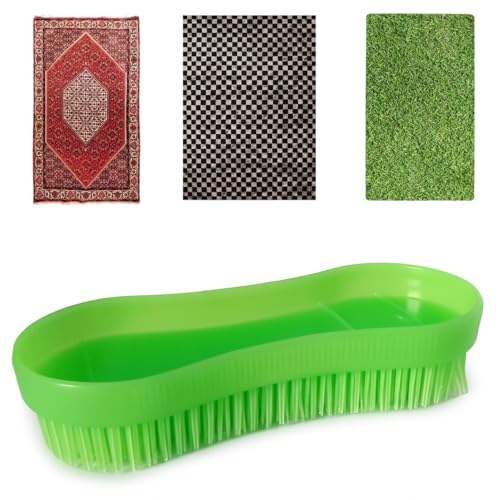
- Stair runner cleaning brush for stairs
- Carpet cleaning wand for stairs
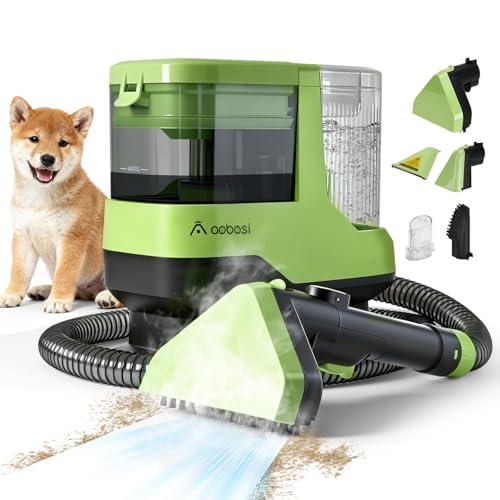
- Handheld carpet cleaner for stairs
- Steam cleaner for stairs with upholstery tool
- Vacuum with stair nozzle and brush attachment

Before You Start
Prepare the area by moving furniture away from the stairwell and placing a drop cloth or old towels at the base of the stairs to catch any runoff. Remove small objects from the steps and ensure pets and kids are out of the area. Identify the runner’s fibers (nylon, polyester, wool) and select cleaners accordingly. Test any cleaner in a hidden corner of the runner for colorfastness and avoid saturating the backing, which can cause lifted edges. The time estimate for most cleanings is 45–90 minutes depending on stairs and staining.
Step-By-Step: How To Clean A Stair Runner
- Prepare the stairs by dry-brushing or vacuuming to remove loose dust and hair using a vacuum with stair nozzle and brush attachment.
- Address stains with a spot cleaner appropriate for the runner fibers; blot rather than rub to avoid embedding stains further.
- Mix a mild cleaning solution following the product’s guidelines, and apply to a small area using a stair runner cleaning brush for stairs or a cloth.
- Gently scrub in the direction of the carpet fibers, then allow a brief dwell time to break down dirt, especially on high-traffic stair treads.
- For deeper cleaning, use a handheld carpet cleaner for stairs or a carpet cleaning wand for stairs with the machine’s recommended setting for carpeted areas.
- Rinse and extract moisture with the cleaner, moving from the top step to the bottom, so any moisture runs downward rather than across already-cleaned surfaces.
- Acceptable to use a steam cleaner for stairs with upholstery tool for heavily soiled or set-in spots; follow manufacturer directions and avoid soaking the runner backing.
- Dry the runner fully by opening doors or running a fan; ensure the carpet remains as dry as possible before walking on it again to prevent mold or odor.
- Repeat any necessary steps for stubborn stains, and perform a final vacuum to lift the fibers and restore texture.
- Inspect the edges and seams; if edges appear loose, consult a professional for edge binding or re-stretching to prevent further wear.
- Establish a routine: vacuum weekly, spot-clean as needed, and deep-clean every 6–12 months depending on traffic and pets.
Troubleshooting
| Symptom | Likely Cause | Fix | Prevention |
|---|---|---|---|
| Stains reappearing after cleaning | Soils are set in | Repeat treatment with a stain remover suitable for the fiber | Address spills promptly; blot—don’t rub |
| Edges feeling loose or frayed | Wear or improper edge binding | Consult a professional for re-binding or re-stretching | Avoid prolonged moisture near edges |
| Discoloration after steam cleaning | Over-wetting or heat sensitivity | Reduce steam pressure and test in a hidden area | Use the upholstery tool and moderate heat |
| Odor after cleaning | Moisture trapped in backing | Increase drying time, use fans; consider deodorizing agents sparingly | Ensure thorough drying after each clean |
Common Mistakes
- Not testing cleaners on a hidden area, risking color bleed or fiber damage.
- Over-wetting the runner, which can lead to mold, backing separating, or longer drying times.
- Using harsh or bleach-based cleaners on delicate fibers, causing fading or fiber damage.
- Skipping a thorough vacuum before cleaning, which can push dirt deeper during cleaning.
Tips For Best Results
- Always work from the top of the staircase downward to keep dirt from re-soiling cleaned sections.
- Balance cleaning power with fiber care; select cleaners labeled safe for nylon, polyester, or wool depending on the runner.
- Test tools and cleaners in a small, inconspicuous area first to avoid discoloration or damage.
- Use a well-ventilated area and monitor moisture to prevent warping or mold growth.
- Consider professional steam cleaning for heavily soiled runners or stubborn stains that resist home methods.
Call A Professional
Seek professional help if any of the following apply: edges appear loose or seam separation is evident; the runner is made of delicate fiber (like silk or certain blends); stains are large, set-in, or chemical-based; or there is persistent odor after cleaning. If you notice persistent mold, water damage, or carpet backing deterioration, contact a licensed technician promptly.
FAQ
What is the best cleaner for stairs with a runner?
Use cleaners formulated for carpet fibers on the runner, and always test in a hidden area before full use.
Can I steam clean my stair runner?
Yes, with care. Use the upholstery tool and avoid over-wetting; follow the manufacturer’s instructions for your fiber type.
How often should I clean a stair runner?
Vacuum weekly; spot-clean as needed; deep-clean every 6–12 months based on traffic and pets.
What should I do if edges are loose after cleaning?
Contact a professional to re-bind or re-stretch the runner to prevent further damage.
Is it safe to use bleach on a stair runner?
Bleach can damage many fibers; avoid bleach unless the fiber is explicitly labeled color-safe and compatible with bleach.
Do I need to dry the runner completely before walking on it?
Yes. Allow thorough air-drying or use fans to prevent mold and odor development.
Buying Guide
When selecting tools and cleaners for stair runners, consider size, performance, and compatibility with carpet fibers. A well-chosen kit helps maintain appearance and extend the life of the runner.
- Size and reach: Choose a vacuum and cleaning wand that comfortably fits the stair width and length; a compact handheld cleaner is useful for tight spaces.
- Noise level: If noise is a concern, look for quieter vacuums and steam cleaners designed for residential use while maintaining cleaning power.
- Energy efficiency: Opt for energy-efficient vacuums and steam cleaners that deliver effective cleaning without excessive electricity use.
- Controls: Simple, intuitive controls reduce setup time and mistakes during cleaning.
- Placement: Store tools in an accessible location near the stairs to encourage regular maintenance and quick spot-cleaning.
- Fiber compatibility: Confirm cleaners and detergents are safe for the runner’s fiber (nylon, polyester, wool) to prevent color loss or fiber damage.
Considering these factors helps balance cleaning performance with long-term care. For most households, a combination of a vacuum with a stair nozzle, a carpet cleaning wand or handheld cleaner, and selective steam cleaning provides versatile coverage for routine maintenance and occasional deep cleaning. If in doubt about fiber safety or stain removal, consult the manufacturer’s guidelines or a professional cleaner.