Keeping an LG dishwasher running smoothly helps ensure optimal cleaning performance and extends the appliance’s life. Regular cleaning tackles hard-water buildup, grease, and mold that can diminish efficiency. This guide covers practical steps, tools, and best practices tailored for LG models, including how to use LG-specific cleaners and generic options for a thorough refresh.
Quick Answer
Best quick method: run an empty cycle with an automatic dishwasher cleaner for LG or LG dishwasher tub cleaning powder kit once a month, then spray the spray arms and interior with a dishwasher cleaning brush kit to remove debris. For routine upkeep, a weekly rinse with hot water and a wipe-down of seals helps maintain performance.
What You’ll Need
- LG dishwasher cleaner tablets
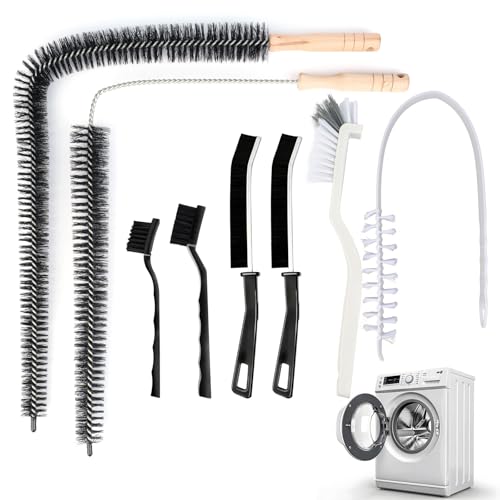
- Dishwasher spray arm cleaning brush
- Dishwasher cleaning brush kit
- Automatic dishwasher cleaner for LG
- LG dishwasher tub cleaning powder kit
- Soft cloth or sponge
- Plastic or silicone scrub brush for tight spots


Before You Start
Prepare by checking the interior for visible debris and removing any dishes that may obstruct access to spray arms. Ensure the dishwasher is cool to the touch before handling interior components. Safety note: never mix cleaners inside the appliance, and avoid harsh chemical solvents near rubber seals. Time estimate: 60–90 minutes for a thorough deep clean, with shorter sessions for routine maintenance.
Step-By-Step: How To Clean An LG Dishwasher
- Run a rinse cycle with the interior empty to warm up the tub and loosen grime.
- Place an LG dishwasher cleaner tablet in the detergent dispenser or use an LG-specific cleaner as directed by the product label.
- Run a full hot water cycle on the heaviest wash setting to dissolve residues and dislodge buildup on walls and filters.
- Open the door mid-cycle to inspect the door gasket and remove any trapped debris with a soft cloth.
- Remove the lower spray arm and use a dishwasher spray arm cleaning brush to clear clogged nozzles. Reinstall securely.
- Use a dishwasher tub cleaning powder kit or automatic cleaner for LG in the drum, following the product instructions, to tackle hidden microfiber and mineral buildup.
- Wipe the interior, including the tub sides and door, with a damp cloth. Dry with a clean towel to prevent quick re-soiling.
- Check the filtration system or basket for hair, soap scum, or food particles. Use a brush to clean the screen gently and reinstall.
- Run a second hot water cycle with no dishes to flush remaining cleaner residue and test cleaning performance.
- Inspect and clean the exterior control panel and handle to prevent grime transfer to dishes over time.
- Schedule routine maintenance every 1–3 months, depending on usage, to maintain peak performance.
Troubleshooting
| Symptom | Likely Cause | Fix | Prevention |
|---|---|---|---|
| Dishes come out dirty | Blocked spray arms or filter | Clean spray arms and filter with brush | Run monthly clean cycles and use the right amount of detergent |
| Unpleasant odor inside | Stale food particles and mold | Use LG cleaner and wipe seals; run empty cycle with cleaner | Leave door ajar after cycles to air out |
| Water not draining | Clogged filter or pump | Remove and clean filter; inspect pump area | Regularly inspect and clean drainage components |
| Spray arms not rotating | Debris buildup in nozzles | Clean nozzles with spray arm brush | Run occasional deep-clean cycles |
| Gasket leaks | Worn or dirty door seal | Wipe seal, replace if cracked | Keep gasket clean and inspect during cleans |
Common Mistakes
- Using vinegar or harsh chemicals that can degrade rubber seals and aluminum parts.
- Overfilling the dishwasher with cleaner or detergent, causing oversudsing and residue.
- Skipping the filtration or spray-arm cleaning steps during deep cleans.
- Ignoring odor symptoms, which may indicate mold growth behind the filter or gasket.
Tips For Best Results
- Schedule a monthly deep clean using the LG dishwasher cleaner tablets or tub cleaning powder kit to maintain performance.
- Always run an empty cycle when using powerful cleaners to prevent lingering residue on dishes.
- Clean the door gasket and seam with a damp cloth to prevent mold formation and ensure a good seal.
- Use hot water and select the longest, most thorough cycle available on the LG model for best cleaning action.
- If buildup persists, alternate between an LG cleaner tablet and a tub cleaning powder kit to target different residues.
Call A Professional
Consider contacting a service technician if the dishwasher exhibits persistent leaks, stubborn mold in hidden areas, persistent foul odors after multiple deep cleans, or if the appliance fails to drain despite cleaning the filter and pump. Also seek help if your LG model displays error codes related to sensors or drainage, which may require diagnostics beyond routine cleaning.
FAQ
How often should I clean my LG dishwasher?
Perform a deep clean every 1–3 months, depending on usage and water hardness. A quick weekly wipe reduces buildup between deep cleans.
Can I use white vinegar to clean my LG dishwasher?
Vinegar is discouraged for routine cleans as it can degrade rubber seals over time; use manufacturer-approved cleaners instead.
What’s the best way to clean a clogged spray arm?
Remove the spray arm, rinse under running water, and use a small brush to clear any mineral deposits from nozzles.
What indicates I need a professional service?
Continued leaks, unusual noises, error codes, or persistent odors after cleaning suggest professional diagnostics are warranted.
Are there specific LG cleaners I should use?
Yes, use LG dishwasher cleaner tablets, LG dishwasher tub cleaning powder kits, and LG automatic cleaners as directed by their labels for compatibility and safety.
Will cleaning affect energy efficiency?
Regular cleaning helps maintain optimal spray pattern and filtration, which supports efficient operation and better cleaning results.
Buying Guide
When choosing cleaning products for an LG dishwasher, consider size, compatibility, and usage style. A quick-start option like LG dishwasher cleaner tablets provides convenience, while a tub cleaning powder kit delivers a thorough deep clean. Look for products labeled for LG or dishwasher tub cleaning, which are formulated for typical dishwasher materials and seals. If the model is prone to mineral buildup, a zinc-safe formula can be beneficial. Consider a dishwasher spray arm cleaning brush and a dishwasher cleaning brush kit to reach difficult-to-clean areas.
Factor To Consider: Size And Fit
Choose cleaners that are easy to store and compatible with standard LG dishwashers. Tablets are compact and mess-free, while powders may require more handling. For households with hard water, select products designed to target mineral deposits effectively without corroding components.
Noise, Energy, And Controls
Cleaner choice does not directly affect noise or energy metrics, but a cleaner that removes buildup helps the dishwasher run more efficiently, potentially lowering cycles and reducing wear. Use the dishwasher’s control options to run the longest cycle for deep cleans when using a cleaning product, ensuring all residues are flushed away.
Placement And Usage
Store cleaners in a cool, dry place away from direct sunlight. Use products according to the LG manual’s recommendations, and avoid mixing cleaners with other household chemicals. For best results, run an empty cycle after applying the cleaner to prevent residue on dishes.