Kitchen mats help reduce fatigue and improve safety, especially in areas where spills are common. Regular cleaning keeps them hygienic and extends their life. This guide covers practical methods for different mat materials and the best tools to use.
Readers will learn step-by-step cleaning processes, common issues, and maintenance tips that work with popular kitchen mat tools and accessories. The focus is on effective cleaning while protecting mat materials and underlying flooring.
Quick Answer
Best first move: vacuum or shake loose debris, then choose a cleaning method based on mat material. For rubber and silicone mats, use a flexible brush and mild detergent; for fabric or weave mats, machine wash when allowed by care labels. Always air dry completely before reinstalling.
What You’ll Need
Gather these tools and supplies before you start. The list aligns with common kitchen mat care products and helps streamline the process.
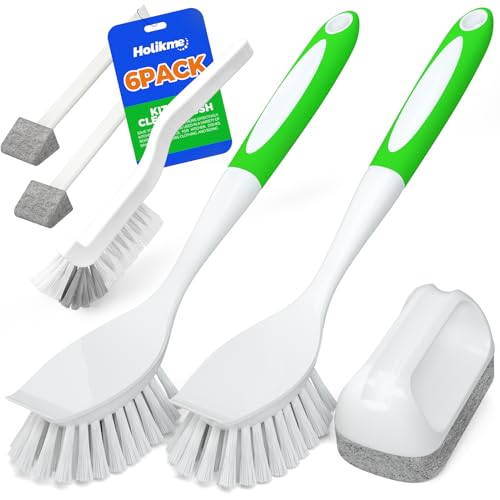
- Non-slip kitchen mat cleaning brush
- Long-handled scrub brush for kitchen mats
- Silicone dish drying mat cleaning brush
- Rubber kitchen mat scrubber tool
- Machine-washable kitchen mat cleaning kit


Before You Start
Assess the mat material and care instructions on the label. Most mats tolerate mild soap and warm water, but some fabrics require gentle handling or machine washing on a delicate cycle. Never use hot water on rubber mats as it can warp the underside. Move the mats to a clear workspace and protect any nearby surfaces from soap suds and drips. Allow extra time for air drying to prevent mold growth or odor development.
Step-By-Step: How To Clean Kitchen Mats
- Remove the mats from the floor, take off any removable padding, and shake or vacuum to remove loose debris.
- For rubber and silicone mats, rinse under cool to warm water to loosen stuck grime.
- Apply a small amount of mild dish soap and scrub with a non-slip kitchen mat cleaning brush or a rubber kitchen mat scrubber tool, focusing on edges and textured surfaces.
- For fabric or mesh mats, check care labels. If machine-washable, place in a laundry bag and run a gentle cycle with mild detergent.
- Rinse thoroughly to remove all soap residues; leftover soap can cause slips or attract more dirt.
- Inspect for stubborn spots and repeat cleaning as needed. Use a long-handled scrub brush for kitchen mats to reach under the mat without bending.
- Air dry completely on a clean surface, ideally outdoors or in a well-ventilated area. Avoid direct heat which can warp materials.
- Reinstall the mats once fully dry. Regular light cleaning between deep cleans helps maintain appearance and safety.
Troubleshooting
| Symptom | Likely Cause | Fix | Prevention |
|---|---|---|---|
| Persistent odors after cleaning | trapped moisture or soap residue | Rewash with extra rinse and air dry completely | Ensure proper drying and use a deodorizing rinse approved for mats |
| Streaks or soap film on surface | Soap not fully rinsed | Rinse with clean water and re-scrub lightly | Rinse thoroughly during final rinse |
| Material stiffness after washing | excessive heat or harsh detergents | Air dry fully away from heat; switch to milder cleaners | Follow care labels and avoid hot water |
| Too much sticking on floor when wet | mat not dry or underside texture worn | Air dry completely; replace if underside grip is worn | Clean and dry after each use to maintain grip |
Common Mistakes
- Using harsh chemicals or bleach on delicate mats
- Soaking mats for too long, which can warp or degrade backing
- Skipping the air-dry step, leading to mold or odors
- Using high heat in dryers or near direct sunlight, which can damage fibers
Tips For Best Results
- Spot-clean stains promptly to prevent setting in, especially on fabric mats
- Rotate mats if they experience heavy traffic to even wear
- Keep a dedicated cleaning kit or bag with your cleaning brushes for convenience
- If a mat is machine-washable, use a gentle cycle and a mild detergent to extend life
- Regularly inspect non-slip backing and replace mats showing wear to maintain safety
Call A Professional
Consider professional help if a mat is heavily stained, has persistent odors after multiple cleanings, or shows backing damage that could reduce grip. Seek a pro when a mat is severely warped, misshapen, or if you suspect mold growth that requires specialized treatment.
FAQ
Can I machine wash all kitchen mats?
Not all mats are machine-washable. Check care labels; fabric or mesh mats are often machine-washable on a delicate cycle, while rubber or silicone mats usually require hand cleaning.
What is the best brush for cleaning kitchen mats?
A non-slip kitchen mat cleaning brush or long-handled scrub brush for kitchen mats helps reach textured areas. Choose brushes with soft to medium bristles to avoid surface damage.
How do I remove tough stains from rubber mats?
Use a mild soap solution and a flexible scrub brush. For stubborn stains, a gentle degreaser approved for kitchen surfaces can help, followed by thorough rinsing.
How should I dry mats after washing?
Air-dry flat in a well-ventilated area. Avoid direct heat sources that can warp the mat.
How often should I clean kitchen mats?
Deep clean every 1–2 weeks in high-traffic areas; lighter spot-cleaning can be done as needed between cleanings.
Are silicone dish drying mat cleaning brushes different from fabric mat brushes?
Yes. Silicone and hard rubber surfaces benefit from flexible brushes that don’t scratch; fabric mats respond better to brushes designed for delicate fibers.
Buying Guide
Choosing the right kitchen mat and care tools depends on several factors. Consider mat size—choose a mat that covers the most used standing area without obstructing doors or drawers. Noise level is typically not a concern for mats, but backing texture can impact floor sound. Energy efficiency is not a primary factor for cleaning, but if you use heated drying spaces, select well-ventilated areas to minimize energy use during drying. Controls are limited for mats; focus on backing grip and surface texture. Placement should align with traffic patterns to minimize wear and maximize comfort. For tools, match the brush type to mat material: use softer brushes for fabric mats and sturdier brushes for rubber or silicone mats. Compare kits that include a machine-wash option for convenience, and ensure compatibility with your mat’s care label.
Introduction
Kitchen mats contribute to comfort and safety in busy cooking spaces. Regular cleaning prevents dirt buildup and extends mat life. This guide provides practical, step-by-step methods tailored to common mat materials and tools available in American households.