Butcher blocks add warmth and practicality to kitchens, but they require proper care to prevent staining, warping, or lingering odors. This guide provides a clear, practical method for cleaning and maintaining wooden butcher blocks using safe, food-grade products.
Following these steps helps extend the life of the wood, keeps surfaces sanitary, and preserves the natural beauty of the finish. The process works for most common wood cutting boards and island blocks used in home kitchens.
Quick Answer
Clean your butcher block with a food-safe cleaner, rinse, and dry thoroughly. Condition with a food-grade oil or oil-and-wax conditioner to maintain moisture and prevent cracking. Reapply regularly, especially after heavy use or cutting acidic foods.
What You’ll Need
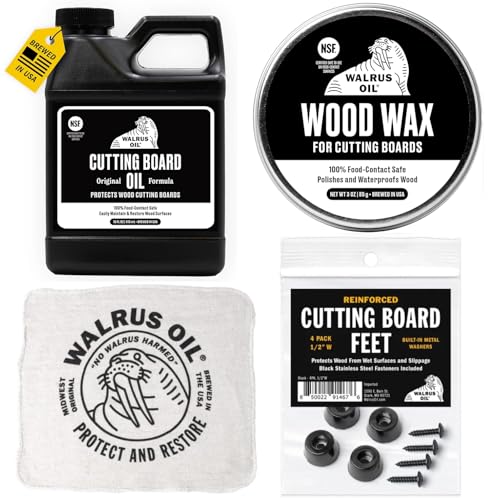
- Food-grade mineral oil for butcher block cutting boards 16oz
- Butcher block conditioner with beeswax and mineral oil 12oz
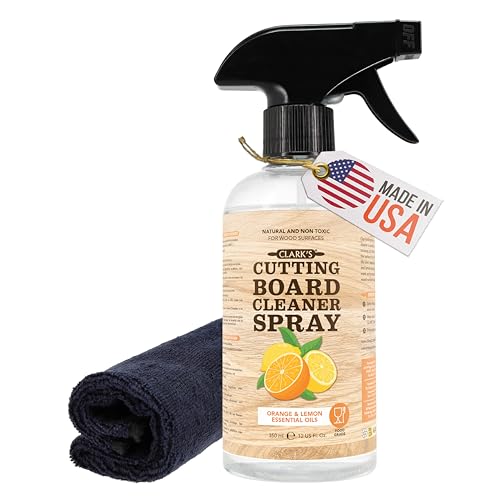
- Cutting board cleaner spray food-safe for wooden butcher block
- Non-scratch silicone cleaning brush for wooden cutting boards
- Wood cutting board oil and wax conditioner kit

Before You Start
Before cleaning, remove all items from the block and sweep away crumbs. Place the block on a clean, dry surface to prevent moisture transfer to the countertop. Avoid soaking the wood or letting water pool on the surface, which can cause warping over time. Allow time for thorough air-drying after cleaning and conditioning.
Safety notes: use only products labeled as safe for food contact surfaces. Test any new cleaner on a small, inconspicuous area first. If the board has deep stains or strong odors, repeat the cleaning process or consider stripping and reconditioning the surface as needed.
Step-By-Step: How To Clean A Butcher Block
- Wipe the surface with a damp, clean cloth to remove loose debris and any visible residue.
- Apply a cutting board cleaner spray food-safe to the surface and work it in with a non-scratch silicone cleaning brush to lift grime without scratching the wood.
- Rinse or wipe away the cleaner with a fresh damp cloth, then dry with a clean towel. Ensure all moisture is removed before proceeding.
- For deeper stains, sprinkle a small amount of food-grade mineral oil for butcher block on the surface and rub in with the brush or a soft cloth in the direction of the grain.
- Let the surface air-dry completely, then wipe away any excess oil to prevent a tacky surface.
- Once dry, apply a thin layer of wood cutting block oil and wax conditioner kit or a dedicated butcher block conditioner with beeswax and mineral oil to seal the wood.
- Allow the conditioner to penetrate for a few hours or per product directions, then wipe away any excess with a clean cloth.
- For routine maintenance, repeat every few weeks or after heavy use. For daily care, a light oil application is often sufficient.
- Store the block away from direct heat sources to reduce drying and cracking risk.
- Inspect periodically for cracks or splits; address significant damage with professional refinishing if needed.
- Optionally, follow a monthly routine with a thin coat of conditioner to maintain moisture and finish.
Troubleshooting
| Symptom | Likely Cause | Fix | Prevention |
|---|---|---|---|
| Dry, dull surface | Insufficient conditioning | Apply mineral oil or conditioner, allow absorption | Regular conditioning schedule |
| Staining from spices or coffee | Porous wood absorbing color | Clean, then apply oil; consider sealing with beeswax | Prompt cleaning after use |
| Water rings or warping | Excess moisture | Dry thoroughly; avoid standing water | Wipe spills immediately |
| Gummy or tacky surface after oiling | Over-application of oil | Wipe off excess; allow to cure | Use thin coats |
Common Mistakes
- Over-wetting the surface during cleaning
- Using aggressive cleaners that strip the finish
- Skipping conditioning between cleanings
- Applying oil without removing excess afterwards
Consistency is key. Regular, light maintenance is more effective than occasional deep cleanings followed by long intervals of neglect.
Tips For Best Results
- Choose a neutral oil labeled for food contact to avoid imparting flavors.
- Always dry the board thoroughly after washing to prevent moisture absorption.
- Apply conditioners in the direction of the grain for even coverage.
- Rotate cutting boards to distribute wear and prevent uneven moisture loss.
- Avoid placing hot pans directly on the block to minimize heat damage.
Call A Professional
Seek a professional if the butcher block shows deep cracks, significant warping, or if you notice mold growth that cannot be cleaned with standard methods. Do not attempt structural repairs yourself if the board is used for repeated food contact or if the damage compromises food safety.
FAQ
Can I use olive oil on a butcher block?
Olive oil is not recommended for long-term conditioning because it can become rancid and lead to odor or stickiness. Use a food-grade mineral oil or a dedicated beeswax-based conditioner.
How often should I condition my butcher block?
Conditioning frequency depends on usage and environment, but a common guideline is every 1–4 weeks for regular use, or after heavy cleaning or washing.
Is it safe to put a butcher block in the dishwasher?
No. The heat, water exposure, and detergent can warp and dry out wood. Hand washing and thorough drying are recommended.
What if my block still looks dull after cleaning?
Repeat the cleaning and conditioning steps, and consider applying a fresh coat of conditioner. If dullness persists, a light sanding and resealing may be needed.
Should I seal the seam where the board meets the handle?
Sealing is optional on some boards, but applying conditioner to the entire surface helps maintain moisture and reduce cracking over time.
Buying Guide
When choosing products to clean and maintain a butcher block, consider size, wood type, and how you use the board. Look for food-safe labeling, ease of application, and whether products are compatible with your existing finish. Key factors include:
- <bSize and capacity: 16oz bottles for mineral oil are common; larger sizes reduce restocking frequency.
- Noise level: Cleaning tools should be gentle; a non-scratch brush minimizes surface damage and noise during use.
- Energy efficiency: Not directly applicable, but choose items that require minimal reapplications and waste less product.
- Controls: Clear directions and safety notes help ensure proper use and consistent results.
- <bPlacement: Store cleaners away from heat and moisture; keep blocks in a dry, well-ventilated area.
For a well-rounded kit, pairing a mineral oil with a beeswax-based conditioner offers both moisture and protection. Consider a dedicated cutting board cleaner spray for routine maintenance, followed by regular oiling. Would you prefer a compact kit for quick, all-in-one care or a larger set for ongoing maintenance? The right combination depends on usage, kitchen space, and preferred workflow.