Introduction
Maintaining your dog’s dental health is essential for overall well-being, from fresher breath to fewer oral health issues. This guide walks American pet owners through practical steps, safe tools, and proven routines to effectively clean a dog’s teeth at home.
Whether you’re starting with a mild cleaning routine or addressing existing plaque, consistent care matters. The methods below prioritize safety, ease of use, and reliable products that support a healthy smile for dogs of all ages.
Quick Answer
To clean a dog’s teeth at home, start with a dog toothbrush dual-ended with finger brush for gentle access, pair it with enzymatic dog toothpaste 3 oz, schedule a daily brushing routine, and supplement with dog dental chews for plaque tartar and optional dog dental spray dental wipe solution for quick maintenance between brushing sessions. Regular brushing is the most effective method, combined with chews and sprays for comprehensive care.
What You’ll Need
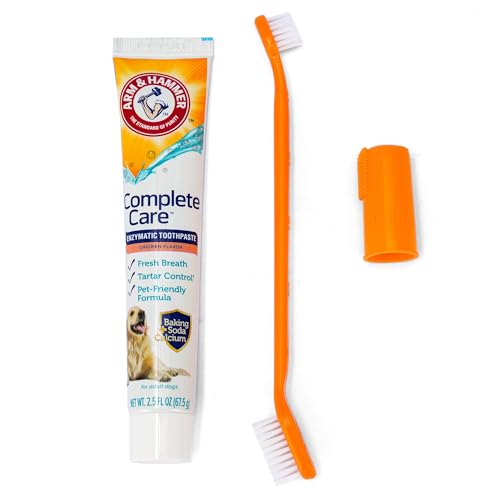
- dog toothbrush dual-ended with finger brush or finger brush attachment for easier access
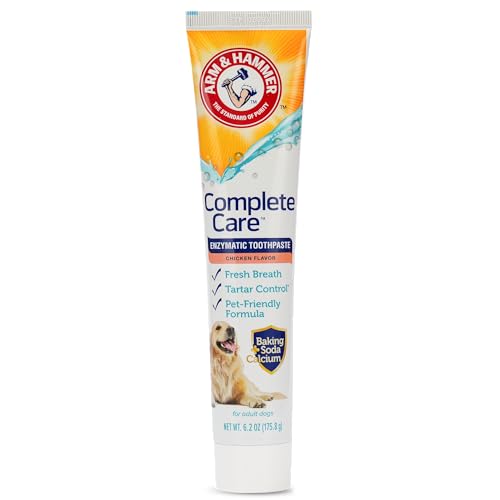
- enzymatic dog toothpaste 3 oz (use pet-safe, enzymatic formula)
- dog dental care kit toothpaste toothbrush set for a complete starter kit
- dog dental chews for plaque tartar to support oral health between brushing
- dog dental spray dental wipe solution for quick cleanups and maintenance

Before You Start
Before brushing, confirm your dog’s health with a quick check: any broken teeth, bleeding gums, or oral pain should trigger a vet visit first. Use a low-stress approach to reduce resistance, and set a realistic schedule (start with 3–4 days a week, aiming for daily brushing).
Caution: Do not use human toothpaste or hydrogen peroxide near your dog’s mouth. Use pet-specific products only. Choose a calm, quiet space and offer rewards to encourage cooperation.
Step-By-Step: How To Clean A Dog’s Teeth
- Set up a comfortable, distraction-free area and have rewards ready.
- Let your dog sniff the enzymatic dog toothpaste 3 oz tube to build familiarity.
- Choose the proper brush: a dog toothbrush dual-ended with finger brush or a finger brush for gentler contact.
- Apply a pea-sized amount of toothpaste to the brush; never use human toothpaste.
- Slowly lift the lip and start brushing along the gumline in small circles, focusing on back teeth first.
- Brush all tooth surfaces: outer, inner, and chewing surfaces, spending about 30–60 seconds per side.
- Reward your dog after each brushing session and gradually increase brushing duration as they tolerate it.
- Incorporate dog dental chews for plaque tartar into daily routines to support cleaning between brushes.
- Use dog dental spray dental wipe solution for quick cleanups on days when brushing isn’t possible.
- Monitor progress over weeks: look for less drool, fresher breath, and healthier gums.
- Adjust the routine if your dog shows signs of discomfort or resistance, keeping sessions short and positive.
- Consult a veterinarian if you notice persistent bad breath, red gums, or loose teeth.
Troubleshooting
| Symptom | Likely Cause | Fix | Prevention |
|---|---|---|---|
| Dog resists brushing | Anxiety or fear of instruments | Use a warm-up approach with a finger brush and short sessions; offer treats | Gentle, gradual exposure; consistency |
| Bleeding gums during brushing | Gum inflammation or improper technique | Soften pressure; brush along the gumline, not directly on gums | Maintain routine and use canine-friendly toothpaste |
| Persistent bad breath | Plaque buildup or dental disease | Increase brushing frequency; check for dental issues with a vet | Daily routine and supplemental chews |
| Tooth sensitivity or pain | Worn enamel or cracked tooth | Stop brushing and seek veterinary evaluation | Early care and gradual adaptation |
Common Mistakes
- Using human toothpaste or mouthwash on dogs
- Rushing brushing or using excessive force
- Neglecting the back teeth where tartar accumulates
- Relying solely on sprays or chews without brushing
Consistency beats intensity. Even short, regular sessions help more than long, infrequent ones.
Tips For Best Results
- Start with a dog toothbrush dual-ended with finger brush to ease introduction and build trust.
- Use only enzymatic dog toothpaste 3 oz designed for dogs to aid plaque reduction.
- Pair brushing with daily dog dental chews for plaque tartar for ongoing cleaning effects.
- Keep dental care fun: associate brushing with treats and gentle praise.
- Regular veterinary checkups help track progress and catch issues early.
Call A Professional
Consult a veterinarian if there is ongoing gum redness, swelling, bleeding, or if you suspect loose teeth. Seek professional cleaning if home methods show limited improvement after several weeks or if the dog resists brushing severely.
FAQ
Is enzymatic toothpaste safe for dogs?
Yes, enzymatic formulations are designed to break down plaque and are safe when used as directed.
How often should I brush my dog’s teeth?
Daily brushing is ideal; even a few times per week is beneficial if daily brushing isn’t feasible.
Can I use a regular toothbrush for my dog?
Use canine-specific brushes or a finger brush to fit the mouth comfortably; human toothbrushes can be too hard or small.
What about dog dental chews—are they enough?
Chews support cleaning between brushing, but they should not replace brushing entirely.
How long does it take to see improvement?
Many dogs show improvements within 2–6 weeks with consistent routine.
Should I use a spray or wipes too?
Sprays and wipes help maintain oral hygiene on busy days, but brushing remains the main method.
Buying Guide
When selecting dental care products for dogs, consider size, convenience, and effectiveness. Compare options that fit your dog’s mouth anatomy and your daily routine. Key buying factors include:
- Size and fit: Choose a toothbrush or finger brush that matches your dog’s mouth size; smaller mouths need finer bristles and a gentler reach.
- Brush type: Dual-ended brushes offer versatility; finger brushes provide a more controlled feel for anxious dogs.
- Toothpaste formula: Look for enzymatic, pet-safe toothpaste with flavors dogs tolerate; avoid human toothpaste.
- Maintenance tools: A complete dog dental care kit toothpaste toothbrush set can simplify routines and keep supplies organized.
- Chews and sprays: Add dog dental chews for plaque tartar and dog dental spray dental wipe solution for between-brush maintenance.
- Ease of use: Consider how easy it is to hold, clean, and store the tools within reach during daily routines.
- Durability: Quality brushes and tubes last longer, reducing replacement frequency and keeping routines steady.
Thinking about a full setup? A well-chosen dog dental care kit toothpaste toothbrush set paired with enzymatic toothpaste and occasional chews typically offers a balanced, practical approach for most dogs.