Brushed nickel faucets offer a warm, modern look, but keeping them free of water spots, fingerprints, and grime requires a simple routine. This guide provides practical steps and safe products to maintain their matte finish without scratching or dulling the metal.
Quick Answer
Use a non-abrasive cleaner and a microfiber cloth to avoid scratches, then finish with a brushed nickel faucet polish cream for added protection and shine. Wipe in the direction of the grain, dry thoroughly, and re-seal with a light polish every few weeks.
What You’ll Need
- Brushed nickel faucet cleaner spray or a non-abrasive cleaner
- Brushed nickel faucet cleaning kit if you prefer an all-in-one solution
- Microfiber cloth for brushed nickel faucet to lift dirt without scratching
- Non-abrasive cleaner for brushed nickel faucet as a safe option
- Brushed nickel faucet polish cream for a protective finish
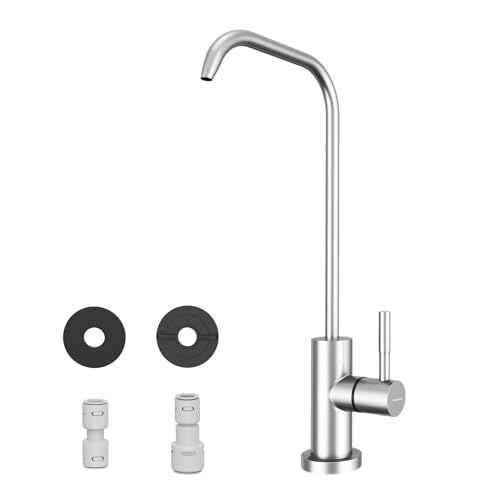


Before You Start
Clear the area around the sink and remove items that could snag during cleaning. Test cleaners on a small, inconspicuous spot first to ensure no discoloration occurs. Avoid harsh chemicals like bleach or ammonia on brushed nickel, as they can degrade the finish. Time estimate: 15–25 minutes for a routine clean or longer for stubborn buildup. Wear gloves if you have sensitive skin.
Step-By-Step: How To Clean Brushed Nickel Faucets
- Dry wipe the faucet with a microfiber cloth to remove loose dust.
- Spray a brushed nickel faucet cleaner spray or apply a small amount of non-abrasive cleaner to the cloth, not directly onto the fixture.
- Gently wipe in the direction of the grain to avoid dulling the finish.
- For stubborn spots, apply a bit more cleaner to the cloth and let it sit for 1–2 minutes before wiping away.
- Rinse the cloth with clean water and wipe off any residue; dry thoroughly with a fresh cloth.
- Apply a thin layer of brushed nickel faucet polish cream to a clean cloth and buff in small circular motions along the grain.
- Buff to a soft sheen and wipe away any excess cream with a dry cloth.
- Inspect for remaining water spots; repeat as needed on problem areas.
- Dust regularly with a microfiber cloth to prevent buildup between deep cleans.
- Seal the finish occasionally with polish to maintain luster and resist fingerprints.
- Store cleaners in a cool, dry place away from direct sunlight when not in use.
Troubleshooting
| Symptom | Likely Cause | Fix | Prevention |
|---|---|---|---|
| Dull or streaky finish | Over-application or cleaner residue | Wipe with a clean, damp cloth and dry; reapply polish cream | Use small amounts and wipe in grain direction |
| Scratches visible | Using abrasive tools or scrubbers | Switch to non-abrasive cleaner and microfiber cloth | Avoid rough pads, clean gently |
| Water spots return quickly | Hard water minerals | Regular wipe-down with microfiber; occasional polish | Install a water softener if feasible |
| Discoloration after cleaner | Harsh chemical exposure | Stop using that product; switch to non-abrasive cleaner | Always test first on a hidden area |
Common Mistakes
- Using abrasive pads or scrubbing brushes that scratch brushed nickel
- Spraying cleaner directly onto the faucet and leaving residue to dry
- Over-using polish, which can create a buildup and dull the finish
- Neglecting to dry the faucet after cleaning, which leads to water spots
Tips For Best Results
- Wipe in the grain direction to preserve the brushed texture and prevent micro-scratches.
- Keep a dedicated microfiber cloth for metal finishes to avoid cross-contamination with other surfaces.
- Use a light touch; let the cleaner do the work rather than scrubbing hard.
- Reserve the brushed nickel faucet polish cream for weekly maintenance or after heavy cleaning.
- Pair a brushed nickel faucet cleaning kit with a routine schedule: quick wipe daily, deeper clean weekly.
Call A Professional
Seek professional help if the finish shows deep discoloration, corrosion, or pitting that does not respond to cleaning. If plumbing leaks are present around the faucet, contact a licensed plumber. Do not attempt major refinishing yourself if you notice significant wear or structural damage.
FAQ
Is brushed nickel durable and easy to clean?
Yes, brushed nickel is relatively durable and responds well to non-abrasive cleaners and microfiber cloths when cleaned regularly.
Can I use lemon or vinegar on brushed nickel?
Limit acidic cleaners as they can degrade the finish over time; opt for non-abrasive, specifically formulated cleaners.
How often should I polish brushed nickel faucets?
Light polishing every few weeks helps preserve the finish; deeper cleans can be done monthly or as needed.
What should I do if I notice a dull spot after cleaning?
Rebuff the area with a clean microfiber cloth and, if needed, reapply a small amount of polish cream following the grain.
Are there eco-friendly options for cleaning brushed nickel?
Yes, many non-abrasive cleaners and microfiber products are available in eco-friendly formulations; check product labels for sustainability notes.
Buying Guide
Choosing the right products for brushed nickel care involves several considerations to keep finishes looking like new. Size is less about the cleaners themselves and more about the quantity required for your fixtures and the size of your sink area. Noise level is not a concern for cleaning tools, but consider the ease of use and handling when choosing a kit or sprays. Energy efficiency is not a direct factor, yet a simple, reusable approach reduces waste and costs. Controls and placement matter less for cleaning, but storing cleaners in a cool, dry spot near the sink helps keep them effective. For best results, combine a brushed nickel faucet cleaner spray, a brushed nickel faucet cleaning kit, a microfiber cloth for brushed nickel faucet, a non-abrasive cleaner for brushed nickel faucet, and a brushed nickel faucet polish cream as part of a dedicated maintenance routine. When comparing options, look for gentle formulas, microfiber-compatible cloths, and finishes that explicitly mention suitability for brushed nickel. A simple, consistent care routine saves time and preserves the faucet’s warm, matte appearance.