Chacos are durable sandals that stand up to rugged use, but proper cleaning helps extend their life and keep them looking fresh. This guide focuses on safe cleaning methods using widely available tools and products.
Readers will find a concise plan, from prepping your sandals to routine maintenance tips, plus troubleshooting for common issues like stains or lingering odors.
Quick Answer
Remove loose dirt, rinse with water, then scrub with a soft-bristle brush and mild soap. Rinse again, air-dry away from direct heat, and treat any stains with a fabric remover pen if needed. Finish with a microfiber cloth for a polished look.
What You’ll Need
The following tools and supplies cover general cleaning needs and are compatible with most Chacos models. Use these as a baseline, then tailor to your specific sandal materials.
- Chaco sandal cleaning brush soft bristle
- soft bristle shoe cleaning brush with wooden handle
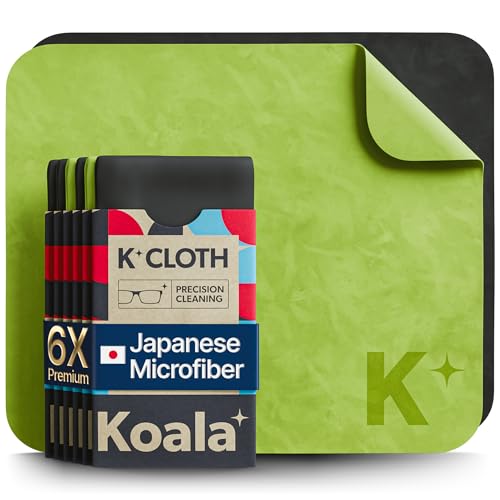
- microfiber cleaning cloth for sandals
- sneaker cleaning kit brush sponge and soap
- fabric sandal stain remover pen


Before You Start
Clear a workspace and lay down a towel to catch drips. Inspect the sandals for any loose straps or worn-out parts before cleaning. Rinse with lukewarm water to remove dust and debris. Do not use harsh solvents or bleach, which can degrade the materials. Safety note: avoid soaking the entire sandal for extended periods, as some components may not be fully waterproof.
Estimated time: 15–30 minutes depending on stain severity. If your Chacos have delicate fabrics or glare-prone surfaces, proceed with extra care and test a small area first.
Step-By-Step: How To Clean Chacos
- Rinse the sandals with lukewarm water to remove loose dirt and sand from the footbed and straps.
- Mix a gentle soap solution using mild dish soap or a sneaker cleaning kit brush sponge and soap to form a light lather.
- Dip a soft-bristle brush with a wooden handle or a dedicated sandal brush into the soapy water and scrub the straps and footbed in circular motions.
- Use the microfiber cleaning cloth to wipe down the exterior of the straps and the heel area, removing residual grime without rubbing too hard.
- For stubborn stains on fabric panels, apply a fabric sandal stain remover pen directly to the spot, let it sit briefly, then blot and rinse.
- Scrub the toe loop and buckle areas gently to avoid loosening components, then rinse all soap residue thoroughly with clean water.
- Pat the sandals dry with a clean cloth and place them in a well-ventilated area away from direct sunlight or heat sources to dry completely.
- Inspect the sandals for any odor. If needed, re-wipe with a microfiber cloth and allow a final air dry before wearing again.
- Check the webbing and footbed for wear and consider applying a fabric-safe protector if the material is prone to staining or moisture absorption.
- Reassemble any removed parts and ensure all buckles and straps sit correctly before storage.
- Optional maintenance step: periodically lift the footbed and clean underneath to prevent buildup of sweat and oils.
Troubleshooting
| Symptom | Likely Cause | Fix | Prevention |
|---|---|---|---|
| Stubborn stains on fabric panels | Spilled substances or oils | Apply fabric stain remover pen, blot, rinse, repeat as needed | Spot-clean promptly after exposure |
| Fading colors or worn webbing | Harsh cleaners or sun exposure | Use mild soap and rinse thoroughly; dry away from direct sun | Clean with gentle products and store shaded |
| Persistent odor | Moisture trapped in footbed | Air-dry completely; consider baking soda sprinkle prior to cleaning | Dry sandals fully after every use |
| Loose straps after cleaning | Over-tightened screws or strap wear | Inspect hardware and consult manufacturer if needed | Handle straps gently during cleaning |
| Sticky residue after cleaning | Residue from cleaners | Rinse thoroughly and wipe with clean water until clear | Use minimal soap and rinse well |
Common Mistakes
- Using harsh solvents or abrasive brushes that scuff the surface
- Soaking sandals for extended periods, especially in materials with glue components
- Directly applying heat sources to speed drying
- Neglecting to dry the footbed completely, which can cause odor
Tips For Best Results
- Clean a light color sandal with a gentle, quick brush after every few wears to prevent buildup.
- Use a dedicated soft-bristle brush with wooden handle for precise scrubbing of webbing and straps.
- Opt for microfiber cleaning cloths to avoid microfiber lint sticking to the straps.
- Test any stain remover pen on a hidden area before broader application to prevent discoloration.
- Store sandals in a cool, dry place; avoid leaving them in hot cars or damp basements.
Call A Professional
Seek professional help if the sandals show signs of structural damage, stretched straps, or if a stain resists all home cleaning methods. If you notice cracking in the sole, fraying threads, or compromised buckles, contact the manufacturer or a qualified repair service. Do not attempt risky glue repairs or heat-based bending, which can worsen damage.
FAQ
Can I machine wash Chacos?
Machine washing is not recommended for most Chaco models, as it can damage straps, buckles, and the footbed. Hand cleaning with mild soap and a soft brush is safer.
Should I sun-dry my Chacos?
Air-dry away from direct sunlight to prevent fading and material damage. Direct sun can degrade straps over time.
What if my sandals still smell after cleaning?
Let them dry completely and consider a light sprinkling of baking soda inside the footbed to absorb odors between wears.
Are fabric stain removers safe for all Chaco materials?
Most are suitable when used as directed on fabric areas; always test a small area first and avoid the webbing or metal hardware unless specified.
How often should I clean Chacos?
Clean after heavy use or exposure to mud and sweat; a quick wipe-down after outdoor activities helps prevent buildup.
Can I use dish soap on leather parts?
Dish soap is generally safe for fabric and synthetic parts, but avoid harsh cleaners on specialized leather or coated surfaces unless the manufacturer specifies compatibility.
Buying Guide
When choosing cleaning tools and accessories for Chacos, consider size, material compatibility, and ease of use. A soft-bristle brush with a wooden handle provides good control for straps and footbeds, while a microfiber cloth offers effective residue removal without shedding. A dedicated sneaker cleaning kit with gentle soap can simplify routine cleanings, and a fabric sandal stain remover pen is handy for spot treatment on fabric panels. Look for products labeled safe for synthetic webbing and footbeds to prevent color loss or material damage.
Key buying factors to compare include the following:
- Size and grip: A brush with a comfortable handle helps reach straps and arches without abrasion.
- Material compatibility: Choose tools designed for synthetic webbing, foam footbeds, and fabric panels used in Chacos.
- Ease of use: Simple, quick-clean options are ideal for regular maintenance, while stain pens offer targeted treatment.
- <bDrying and storage: Absorbent cloths and air-dry-friendly products prevent moisture buildup and odor.
- <bPortability: Compact kits fit in bags for on-the-go cleaning after hiking or trips.
Considering these factors helps readers pick a practical kit that aligns with their cleaning routine and the specific Chaco model they own. Do you want a compact, all-in-one kit or modular tools you can swap in over time? The right setup keeps sandals ready for the next outdoor adventure.