Window air conditioners require regular maintenance to keep them cooling efficiently and to extend their lifespan. This guide provides practical, step-by-step instructions tailored for American households, using common tools and safe practices. Readers will learn how to remove dust, sanitize components, and verify that the unit operates at peak performance.
Quick Answer
Before you start, unplug the unit and remove the front grille to access the evaporator and condenser areas. Clean the exterior with a microfiber cloth, vacuum away loose debris from the blower housing, use a spray bottle to apply a mild cleaner to the grille and coils, and finish with a thorough rinse. Reassemble and test the unit to confirm improved airflow and cooling efficiency.
What You’ll Need
- Window air conditioner cleaning brush
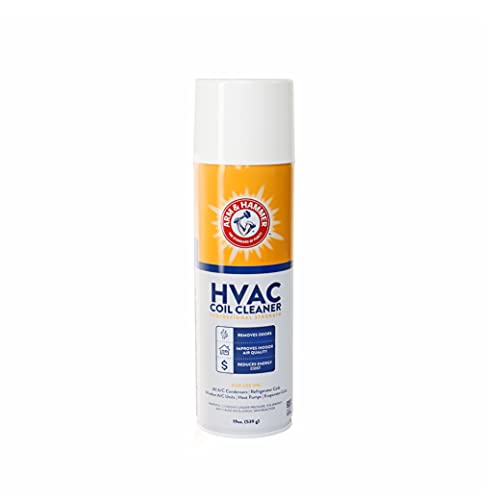
- AC coil cleaner for window unit
- Microfiber cloth for window AC cleaning
- Spray bottle for cleaning window air conditioner
- Vacuum attachment for cleaning window AC unit


Before You Start
Safety first: unplug the unit and turn off power at the breaker if possible. Remove the unit from its mounting, if feasible, or ensure it’s stable on the sill. Protect nearby surfaces with a towel or plastic drop cloth. Note that some coils can be delicate; avoid aggressive scrubbing that could damage fins. Allow the device to acclimate to room temperature if it’s hot outside to prevent condensation issues.
Estimated time: 30–60 minutes depending on the unit’s condition. Critical cautions: never wash electrical components with running water, keep the control panel dry, and never operate the unit while it is disassembled. If you smell mold or see visible signs of damage, stop and seek professional help.
Step-By-Step: How To Clean A Window Unit
- Power down and unplug the unit, then remove the front grille following the manufacturer’s instructions. Use a soft brush to loosen dust around the vent louvers.
- Use a vacuum attachment to remove loose debris from the blower housing and fins. Work slowly to prevent bending the fins or dislodging components.
- Apply a mild cleaner or water to the grille using a spray bottle, then wipe with a microfiber cloth. Let it dry completely before reattaching.
- Spray a light detergent solution along the evaporator coil area and fins, avoiding excessive moisture on electrical parts. Let the solution sit for a short dwell time to loosen grime.
- Gently scrub the coil fins with the window air conditioner cleaning brush, moving in one direction to minimize fin damage. For stubborn grime, apply a dedicated AC coil cleaner for window unit according to the product’s instructions.
- Rinse or wipe away the cleaner using a damp microfiber cloth, ensuring no residual cleaner remains in the blower area. Dry the fins with a separate clean cloth to prevent corrosion.
- Reinstall the front grille, reconnect power, and run a short test to verify airflow and cooling. Listen for unusual noises that may indicate loose parts or debris in the fan area.
- Check the condensate drain to ensure it’s clear. If you notice slow drainage, inspect the drain pan and tube for obstructions and clean as needed with a damp cloth.
- Inspect the exterior for dust buildup around the housing and vents. Wipe down the casing with a microfiber cloth to maintain appearance and airflow.
- Operate the unit on a cool setting for 10–15 minutes, then switch to a comfortable mode to confirm consistent cooling performance and airflow. Note any changes in efficiency or noise levels for future maintenance.
- Schedule regular cleanings every 1–3 months during peak usage and adjust frequency based on dust exposure and humidity levels.
Troubleshooting
| Symptom | Likely Cause | Fix | Prevention |
|---|---|---|---|
| Weak airflow | Clogged filters or fins | Clean or replace filters; carefully straighten bent fins | Regularly clean filters every 2–4 weeks during use |
| Unpleasant odor | Mold in condensate tray | Clean tray and drain with disinfectant solution | Keep area dry and dry-trap the drain after cleaning |
| Water leaks | Blocked drain or misaligned unit | Unblock drain; reseat or adjust the unit | Check drainage during cleaning cycles |
| Fins bent | Improper tool use | Carefully realign with a fin comb or brush | Avoid aggressive scrubbing |
Common Mistakes
- Using high-pressure water directly on electrical components
- Using harsh chemicals that damage coils or plastic parts
- Forgetting to dry the blower area after cleaning, leading to moisture buildup
- Over-wetting the unit during cleaning, which can cause shorts or corrosion
Keeping a steady, gentle cleaning routine helps maintain efficiency and extends the life of the window unit.
Tips For Best Results
- Schedule maintenance during mild weather to avoid extreme heat or cold while the unit is disassembled.
- Use a dedicated microfiber cloth for interior surfaces to prevent lint interference with airflow.
- Keep the spray bottle handy with a mild, non-corrosive cleaner to avoid repeated trips to the sink.
- Label and store tools in a dedicated spot to simplify future cleanings.
- Inspect seals around the unit to deter drafts and improve efficiency after cleaning.
Call A Professional
Consider contacting a professional if any of the following occur: persistent refrigerant odor, evidence of mold growth that cannot be cleaned safely, persistent electrical issues, or if the unit fails to cool after routine maintenance. Signs of damage to the coils, seal wear, or water intrusion should also prompt expert assessment.
FAQ
How often should I clean my window air conditioner?
Clean the exterior and grille monthly during heavy use, and perform a deep clean every 1–3 months, depending on dust and humidity levels.
Can I use bleach to clean window units?
Avoid bleach on coils and plastic components; use mild cleaners and water or specialized AC cleaners as directed.
What if my unit still smells after cleaning?
Check for mold in the condensate tray or drain line and ensure proper drainage; consider replacing filters more frequently.
Is it safe to clean a window unit while it’s mounted?
Yes, but take extra precautions to prevent water from entering electrical components and ensure the unit remains stable.
Should I use a vacuum on the coils?
Light vacuuming with a soft attachment can remove loose dust, but avoid aggressive suction that could bend fins.
What maintenance improves efficiency the most?
Regular filter cleaning, coil cleaning, and ensuring proper drainage have the greatest impact on efficiency and cooling performance.
Do I need to re-seal the window after cleaning?
Inspect seals for gaps and replace weatherstripping if needed to maintain energy efficiency and prevent drafts.
Buying Guide
When choosing a window unit, consider size and cooling capacity to match room dimensions, noise level, energy efficiency, and control options. Placement matters: install on a shaded side of the building if possible, ensure a clear path for ducting and exhaust, and verify that the window frame can support the unit without warping. Compare units based on EER (Energy Efficiency Ratio) and seasonal performance to balance upfront cost with long-term savings. Look for easy-to-clean designs and accessible maintenance ports to simplify ongoing care.