Rubber sandals are a practical warm‑weather staple, but they can accumulate dirt, grime, and odor quickly. A simple, methodical cleaning routine can restore their look and extend their life. This guide walks American readers through a clear, practical approach using common household tools and a targeted set of cleaning products.
Quick Answer
Rinse off loose dirt, scrub with a soft brush and mild soap, rinse again, dry thoroughly, and treat lingering odors with a sneaker or sandal deodorizer spray. For tough scuffs, use a magic eraser lightly and finish with a microfiber towel for a spotless, dry finish.
What You’ll Need
Gather these tools and products before you start. They align with the task and are designed to be gentle on rubber surfaces while removing dirt efficiently.
- rubber sandal cleaning brush
- sandals cleaning kit brush soap
- microfiber towel for cleaning sandals
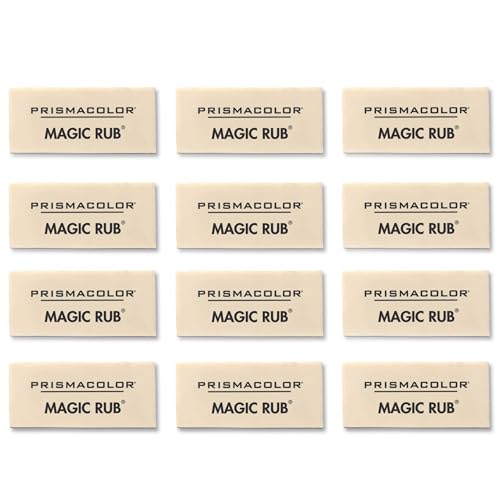
- magic eraser for rubber sandals
- shoe deodorizer spray for sandals


Before You Start
Assess the sandal material and any printed logos or embellishments. If the sandals are heavily soiled, soak them briefly in warm water with a small amount of soap. Use cool to lukewarm water to avoid warping or cracking. Allow the sandals to air‑dry away from direct heat or sunlight, which can cause the rubber to become brittle over time. Time estimates: 15–30 minutes for routine cleaning; up to 60 minutes for deeply stained pairs.
Step-By-Step: How To Clean Rubber Sandals
- Remove loose dirt by rinsing the sandals under cool water to prevent mud from smearing.
- Prepare a cleaning solution with mild dish soap or sandals cleaning kit soap mixed with warm water.
- Use the rubber sandal cleaning brush to agitate the surface, paying attention to grooves where grime hides.
- Spot-clean stubborn stains with a magic eraser for rubber sandals applied lightly; wipe residue away with a damp cloth.
- Rinse thoroughly to remove all soap residues, ensuring no slippery film remains on footbeds.
- Dry with a microfiber towel for a soft, lint-free finish; set sandals in a shaded area to air‑dry completely.
- If odors linger, spray a light mist of shoe deodorizer spray for sandals on the interior and let dry.
- Inspect after drying; repeat any steps for persistent dirt and re‑treat if necessary to restore brightness.
Troubleshooting
| Symptom | Likely Cause | Fix | Prevention |
|---|---|---|---|
| Dull, gray sole edges | Build‑up or soap residue | Rinse thoroughly and re‑scrub with brush soap | Rinse promptly after wear; light clean weekly |
| Sticky or slippery bands after drying | Soap residue left behind | Rinse again and dry completely with microfiber towel | Use less soap; ensure thorough final rinse |
| Persistent odor | Moisture trapped in footbeds | Apply deodorizer spray and dry completely | Air‑dry in a well‑ventilated area; rotate pairs |
| Discoloration on white or light rubber | Taint from ground grime | Gentle scrubbing with cleaning brush and soap; repeat | Rinse promptly after use; avoid harsh cleaners |
Common Mistakes
- Using hot water which can warp rubber; always stick to cool or lukewarm temperatures.
- Over‑soaking footbeds; prolonged moisture encourages mildew and odors.
- Scrubbing too hard with stiff brushes; this can scratch or degrade the surface.
- Neglecting to dry completely; moisture can lead to unpleasant smells and material damage.
Tips For Best Results
For best outcomes, perform a quick weekly wipe‑down after wearing to remove surface grime before it hardens. Keep a dedicated microfiber towel and a small bottle of deodorizer spray in a tote for on‑the‑go cleaning after trips to the pool or beach. If sandals have a strong odor, consider alternating cleaning with a light spray of baking soda mixed with water as a gentle deodorizing step, followed by thorough drying. Store sandals in a cool, shaded area to preserve rubber elasticity and color.
Call A Professional
Seek professional help if the sandals have deep structural damage, compromised straps, or persistent odor that cleaning cannot resolve. Signs to stop DIY cleaning and consult a cobbler or manufacturer’s support include cracked soles, cracked straps, or discoloration that worsens after cleaning.
FAQ
Can I machine wash rubber sandals?
Machine washing is not recommended for most rubber sandals, as agitation and heat can degrade materials. Hand cleaning with gentle soap and a brush is safer.
What type of soap should I use?
Use mild dish soap or a dedicated sandals cleaning kit soap that creates suds without harsh chemicals that could degrade rubber.
How do I remove mildew from sandals?
Rinse, scrub with soap, dry completely in a ventilated area; spray with a deodorizer and consider a light baking soda treatment if odors persist.
Are there any scents I should avoid?
Avoid strong, synthetic fragrances that can irritate the skin; opt for mild, breathable deodorizing sprays formulated for footwear.
Buying Guide
When choosing rubber sandals and related cleaning gear, consider size, comfort, and the surface you’ll encounter most often. For cleaning tools, look for a soft yet effective bristle brush that won’t scratch rubber, a mild soap designed for synthetic materials, and a microfiber towel that leaves minimal lint. Placement matters: store sandals away from direct sun to prevent rubber drying out. Noise level and energy use are not major factors for at‑home cleaning tools, but opt for compact, easy‑to‑store items for convenient, quick maintenance. In comparing sandals cleaning kits, check the range of included brushes and whether any deodorizing sprays pair well with your preferred materials and footbed construction. A practical setup blends effective cleaning power with gentle care to extend sandal life and freshness.