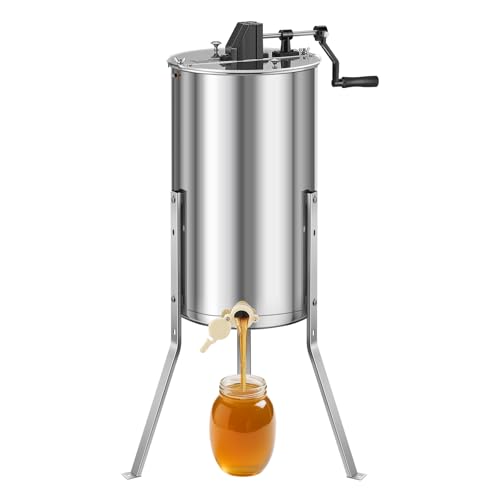
Honey extraction is a clean, careful process that protects honey quality and equipment longevity. This guide outlines a practical, step-by-step approach to thoroughly cleaning a honey extractor while safeguarding bees, honey, and the surrounding environment. It emphasizes safe products and efficient routines suitable for American beekeepers.
Quick Answer
Rinse the extractor with warm water, remove all honey and wax residues, use a dedicated degreaser, followed by a food-grade sanitizer, then dry completely before storage. Regular maintenance spray helps prevent buildup between uses.
What You’ll Need
- Stainless steel honey extractor cleaning brush
- Food grade sanitizer for beekeeping equipment
- Honey extractor cleaning kit stainless steel
- Beekeeping equipment degreaser for honey extractor
- Honey extractor maintenance spray


Before You Start
Plan a clean-out session after your honey harvest or when switching frames. Ensure the area is well-ventilated and surfaces are protected from chemical contact. Wear gloves and eye protection as a precaution when handling cleaning agents. Time commitment typically ranges from 30 to 90 minutes depending on the extractor size and degree of buildup.
Critical cautions: Always rinse thoroughly after using degreasers or sanitizers to avoid residue in future harvests. Do not mix incompatible cleaners; follow label directions. Keep cleaning tools dedicated to beekeeping to prevent cross-contamination.
Step-By-Step: How To Clean A Honey Extractor Thoroughly
- Disconnect the extractor from power sources and remove all components that contact honey, such as baskets and drain valves.
- Empty any remaining honey and wipe excess syrup with clean towels. Do not reuse dirty rags on later cleaning stages.
- Rinse all interior surfaces with warm water, using the stainless steel brush to dislodge wax, comb, and propolis.
- Apply a degreaer for honey extractor designed for food equipment to break down fatty residues, following the label’s contact-time guidelines.
- Rinse again to remove degreaser residues. Inspect seals and gaskets for wear or cracks and address as needed.
- Use a food grade sanitizer for beekeeping equipment on all metal surfaces. Allow the sanitizer to sit per the product’s instructions before final rinse if required.
- Rinse a final time with clean water and dry all parts completely to prevent corrosion or microbial growth.
- Reassemble the extractor components, then apply a light coat of honey extractor maintenance spray to hinges and moving parts to reduce sticking and ease future disassembly.
- Store in a dry, ventilated area and note any maintenance needs for the next harvest season.
- Schedule routine cleanings after every harvest or as recommended by equipment manufacturer guidelines.
- Optionally perform a quick wipe-down with a microfiber cloth before returning parts to service to maintain equipment shine.
- Document any unusual wear or corrosion and plan professional service if signs appear beyond basic maintenance.
Troubleshooting
| Symptom | Likely Cause | Fix | Prevention |
|---|---|---|---|
| Sticky residue remains after cleaning | Residue from propolis or honey | Reapply degreaser and scrub with brush; rinse thoroughly | Clean promptly after harvest; minimize buildup |
| Rusted spots on metal surfaces | Moisture exposure or improper drying | Dry completely; consider replacing severely corroded parts | Dry after each cleaning; store in dry area |
| Seal leaks after reassembly | Worn gaskets or misaligned parts | Replace seals; ensure proper alignment during reassembly | Inspect seals during cleaning |
| Unpleasant odor in honey | Residue in moving parts or reservoir | Full disassembly and thorough sanitation | Regular cleaning schedule |
Common Mistakes
- Using abrasive scrubbers on stainless steel surfaces, which can scratch and harbor microbes
- Skipping a thorough rinse after cleaners or degreasers, leaving chemical residues
- Ignoring seals and gaskets during maintenance, causing leaks or contamination
- Rushing the drying process, promoting corrosion or mold growth
Tips For Best Results
- Establish a cleaning routine aligned with harvest cycles to avoid last-minute rushes
- Label and store dedicated cleaning tools to prevent cross-contamination with other equipment
- Keep a small brush kit handy for hard-to-reach crevices inside the extractor
- Follow product instructions exactly for sanitizers and degreasers to maximize safety and effectiveness
- Test a small area first if using new cleaning agents on stainless steel to assess compatibility
Call A Professional
Contact a professional if there is persistent rust, persistent leaks, or visible damage to moving parts. Seek expert help when gaskets or seals show wear beyond simple replacement, or if the metal surfaces develop deep pitting. If unfamiliar with the manufacturer’s guidelines, a professional service can prevent accidental damage during maintenance.
FAQ
How often should I clean a honey extractor?
Clean after every harvest or whenever honey, wax, or propolis accumulates. A quick rinse can be followed by a full clean during the off-season.
Can I use dish soap to clean a honey extractor?
Dish soap is not recommended for the interior of beekeeping equipment intended for food contact; use specialized degreasers and food-grade sanitizers instead.
What order should I use cleaners and sanitizers?
Start with degreaser to break down greasy residues, rinse, then apply a food-grade sanitizer, and finish with a final water rinse if required by the product label.
Is there a risk of contaminating honey during cleaning?
Yes, if residues from cleaners remain. Always rinse thoroughly and dry completely, and use dedicated cleaning tools for beekeeping equipment.
What maintenance should follow cleaning?
Inspect seals, gaskets, and moving parts; reassemble correctly; apply maintenance spray to hinges and joints as needed; and log any replacements.
Buying Guide
When choosing cleaning products and maintenance tools for a honey extractor, consider size, material compatibility, and ease of use. A robust cleaning routine benefits from dedicated stainless steel brushes, a reliable food-grade sanitizer, and a versatile degreaser. Look for kits that assemble into a complete cleaning system for stainless steel components, and select a maintenance spray designed for metal moving parts. Think about storage space and how often you harvest; a compact kit may suit hobbyist operations, while a larger kit supports frequent, commercial-scale use. Ensure products are clearly labeled for beekeeping and food-contact surfaces, and verify compatibility with your extractor’s specifications.
Choosing the right tools and cleaners helps maintain honey quality while protecting equipment. Curious about setup or maintenance cadence? A well-planned routine reduces downtime and supports consistent harvests, season after season.