Light colored fabric couches can brighten a living space, but they require careful cleaning to avoid staining or discoloration. This guide walks through practical steps, tools, and best practices for maintaining a pristine fabric sofa while protecting delicate fibers.
With the right approach, homeowners can remove everyday spills, pet messes, and general dirt without professional help. The methods below emphasize safe techniques and customer-friendly products designed for light-colored fabrics.
Quick Answer
Use a targeted upholstery cleaner or fabric-safe extractor for persistent stains, followed by a microfiber cloth and vacuuming. Always test a hidden area first and work in small, circular motions to lift stains without spreading them. For routine maintenance, schedule gentle cleanings every 2–3 months depending on usage.
What You’ll Need
The following tools and products cover common scenarios on light-colored fabric couches. Each item corresponds to practical cleaning tasks and helps minimize residue or color transfer.
- Upholstery cleaner machine for fabric sofa stain removal
- Carpet and upholstery extractor for light-colored fabric couch
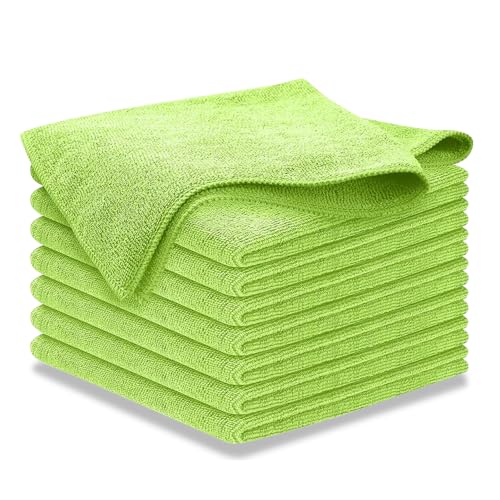
- Microfiber upholstery cleaning cloth for light-colored sofa
- Sofa fabric stain remover spray for light-colored couch
- Vacuum attachment upholstery nozzle for sofa cleaning


Before You Start
Before any cleaning, remove loose debris with a vacuum using the upholstery nozzle. Identify the fabric type and check care labels for water and solvent guidelines. Do a spot test in an inconspicuous area to confirm colorfastness. Plan to work in a well-ventilated room and allow the couch to dry completely between steps. Avoid over-wetting the fabric to prevent water rings or dye migration. Estimate about 1–3 hours from start to finish, depending on stain size and drying conditions.
Step-By-Step: How To Clean A Light Colored Couch
- Vacuum the entire sofa with the upholstery nozzle to remove loose dust and pet hair.
- Apply a light mist of sofa fabric stain remover spray to the stained areas, then blot with a microfiber cloth to lift the spill without rubbing.
- For deeper stains, use an upholstery cleaner machine for fabric sofa stain removal, following the manufacturer’s instructions for dilution and cleaning mode.
- Run the carpet and upholstery extractor over the cushions and arms to suction out dirt and moisture, working in sections.
- Blot any remaining damp spots with a dry microfiber cloth. Avoid leaving the fabric overly wet to speed up drying.
- Repeat spot treatments only on affected areas, testing again on a hidden corner to ensure no color loss.
- Let the couch air-dry completely, then vacuum lightly to restore fabric loft and remove any settled fibers.
- Brush nap or pile in the direction of the fabric to maintain uniform texture once dry.
- If odors persist, consider a fabric-safe deodorizing spray designed for upholstery and allow proper ventilation during drying.
- Inspect cushions for even dryness and repeat cleaning on stubborn stains if necessary, avoiding aggressive scrubbing.
- Replace cushions and plump them to restore shape after drying, ensuring a neat final appearance.
- For regular maintenance, vacuum weekly and treat spills immediately to preserve the couch’s light color.
Troubleshooting
| Symptom | Likely Cause | Fix | Prevention |
|---|---|---|---|
| Stains reappear after drying | Color transfer or residual dye | Repeat cleaning with a color-safe formula; ensure proper drying | Test on hidden area; avoid over-wetting |
| Water rings or rings around damp areas | Over-wetting or uneven drying | Blot moisture, increase ventilation, and shorten cleaning passes | Use minimal moisture; work in small sections |
| Fabric feels stiff after cleaning | Residue from cleaner or detergent | Rinse with water-safe extractor or wipe with a damp cloth | Rinse follows every cleaning with fabric-safe products |
| Color fading on light fabric | Harsh chemical or improper test | Cease use of offending product; switch to milder cleaners | Always test in a hidden spot first |
Common Mistakes
- Using too much cleaner or water, which leads to soaking and longer drying times.
- Rubbing stains aggressively, spreading them or abrading the fabric.
- Skipping a test patch, risking color loss on light-colored fabrics.
- Cleaning only visible areas and neglecting seams or cushions where dirt accumulates.
Tips For Best Results
- Work in a well-ventilated room to speed up drying and prevent mildew.
- Use microfiber cloths to lift moisture without lint transfer.
- Follow the fabric care label, especially regarding water-based vs. solvent-based cleaners.
- Rotate cushions occasionally during drying to maintain shape and prevent uneven wear.
- For frequent spills like coffee or red wine, consider a fabric stain protector suitable for light colors after cleaning.
Call A Professional
Signs that professional help is needed include persistent or set-in stains that do not respond to standard cleaners, large areas of discoloration, dye transfer from other fabrics, or fabric tears. Seek a pro if the couch has antique finishes, delicate fibers, or if you notice color bleeding during spot tests. A certified upholstery cleaner can assess fabric type and apply safer, deeper-cleaning methods.
FAQ
Can I clean a light colored couch with water?
Yes, many light fabrics respond to water-based cleaning, but always test a hidden spot first and avoid over-wetting.
What should I do if a stain reappears after drying?
Repeat the spot treatment and consider using a different stain remover spray formulated for light fabrics.
Is it safe to use an upholstery extractor on a fabric couch?
Generally safe when following manufacturer directions and using appropriate cleaning solutions for the fabric type.
How often should I deep-clean a light-colored couch?
Every 2–3 months for high-traffic areas; otherwise, every 4–6 months with spot cleaning between cleanings.
Buying Guide
When choosing cleaning tools and products for a light colored couch, consider factors such as size, noise, energy efficiency, and compatibility with your sofa’s fabric. A compact upholstery cleaner that handles both liquids and dry debris can simplify routine maintenance. Look for low-moisture options to reduce drying times and prevent watermarks. Consider a dedicated upholstery nozzle with a wide opening to cover large surface areas quickly.
Key buying factors include:
- Size and capacity: Choose equipment that fits your cleaning space and cushions without frequent refills.
- Noise level: Quieter models are friendlier for homes with shared or quiet spaces.
- Energy efficiency: Energy-conscious devices save power during extended cleanings.
- Controls and ease of use: Simple switches and clear instructions help prevent over-wetting or misapplication.
- Placement and storage: Lightweight, portable units store easily in closets or laundry rooms.
- Compatibility with fabrics: Ensure the cleaner is safe for microfiber, cotton blends, and other light-colored fabrics.
Users may also consider related products designed for upholstery and fabric care, including carpet and upholstery extractors, microfiber cleaning cloths, and stain remover sprays. Evaluating brand compatibility with your couch fabric and reading care labels will prevent color migration and fabric damage.
Related Buying Considerations
For households with pets or children, choosing a cleaner with enzyme-based stain removal capabilities can be beneficial for organic spills. If the couch is frequently exposed to sunlight, shielding fabrics with UV-resistant treatments after cleaning can help maintain color integrity. Always verify the warranty implications of using external cleaners on your furniture, and follow manufacturer recommendations to preserve fabric warranty coverage.