Maintaining a clean couch extends its life and keeps your living space inviting. This guide walks through practical methods for different materials, with tools suited for both leather and fabric couches. Readers will find step-by-step instructions, common issues, and when to call a professional.
From routine upkeep to dealing with stains, the approach combines accessible techniques and product recommendations to help American homes stay refreshed without professional help.
Quick Answer
For fabric couches, start with a gentle vacuum and an upholstery cleaning brush set. For leather, use a leather cleaning kit with stain remover and microfiber cloths, followed by a leather conditioner. Steam cleaners can refresh upholstery, but test on a hidden spot first and avoid over-wetting sensitive fabrics.
What You’ll Need
- Leather sofa cleaning kit with stain remover and microfiber cloths
- Upholstery cleaning brush set for fabric couches
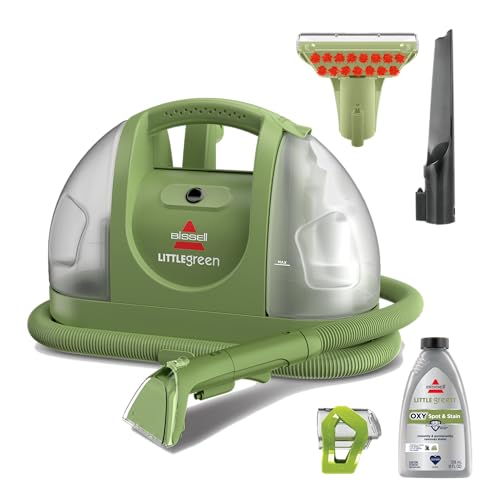
- Steam cleaner for upholstery and couches
- Leather sofa stain remover pen and conditioner kit
- Microfiber cloths for cleaning leather couch and furniture


Before You Start
Inspect the couch for labels specifying cleaning instructions. Test any cleaner on an inconspicuous area before full application. Ensure good ventilation and protect surrounding furniture with drop cloths. Plan for 30–90 minutes of active work, plus drying time. Never saturate fabric cushions and avoid harsh chemicals on leather, which can cause damage.
Step-By-Step: How To Clean A Couch Effectively
- Remove cushions and vacuum the entire surface, including seams, to lift loose dirt.
- For fabric couches, apply a mild upholstery cleaner with the brush set, working in small circular motions.
- Spot-treat stains with the upholstery cleaner or stain remover from the kit, blotting—don’t rub—to lift the stain.
- For leather couches, apply a small amount of leather cleaner to a microfiber cloth and wipe gently in the direction of the grain.
- Use the leather sofa stain remover pen on specific spots, then wipe away residue with a clean cloth.
- Rinse fabric areas with a lightly damp cloth to remove cleaner residue; avoid soaking the fabric.
- Apply leather conditioner to the entire surface after cleaning leather sections to restore suppleness.
- Use a steam cleaner on fabric surfaces if the fabric tag permits it, holding the nozzle in motion and not staying in one spot.
- Let the couch dry completely, preferably with good air circulation or a fan, before reassembling cushions.
- Replace cushions and perform a quick final vacuum to remove any loosened fibers.
- Inspect the result; repeat targeted cleaning for stubborn areas if needed.
- Schedule regular cleanings to prevent buildup and preserve fabric or leather integrity.
Troubleshooting
| Symptom | Likely Cause | Fix | Prevention |
|---|---|---|---|
| Stains reappearing after cleaning | Residual stain or incorrect cleaner | Re-treat with appropriate product and blot, not rub | Test spot first; use proper cleaners for fabric vs leather |
| Leather feels sticky after cleaning | Cleaner residue | Wipe with a clean, damp cloth and air dry | Use minimal cleaner; wipe thoroughly |
| Fabrics that wick moisture | Over-wetting during cleaning | Use less liquid; ensure thorough drying | Ventilate and use fans |
| Streaks on fabric | Uneven cleaning or excess liquid | Blindly blot with a dry microfiber cloth | Work in small sections; wipe from top to bottom |
| Leather color faded after cleaning | Harsh cleaner or sun exposure | Switch to mild cleaners and conditioner; avoid direct sun | Test first; condition periodically |
Common Mistakes To Avoid
- Using too much liquid, which can soak cushions and cause mold or odor
- Rubbing stains aggressively, which can embed pigment or damage fibers
- Ignoring label instructions on fabric and leather care
- Skipping conditioning for leather after cleaning
Tips For Best Results
- Vacuum regularly to prevent dirt buildup and make cleaning easier
- Test all cleaners on hidden areas before widespread use
- Keep a small, dedicated set of microfiber cloths for leather and fabric to avoid cross-contamination
- Use steam cautiously on delicates or high-pile fabrics
- Schedule routine maintenance to prolong the life of both leather and fabric couches
Call A Professional
Consider a pro if the couch has extensive stains, strong odors, or structural moisture issues. Seek help if leather shows deep cracking, fading, or color inconsistency after cleaning, or if fabric requires steam cleaning beyond your comfort level. Signs to stop DIY cleaning and call a professional include persistent staining after multiple attempts, water damage, or upholstery deformation.
FAQ
Is steam cleaning safe for fabric couches?
Steam cleaning is effective for many fabrics when used correctly and allowed to dry fully, but always check the fabric care tag first.
Can I use a leather conditioner after cleaning?
Yes, applying a conditioner helps restore moisture and prolongs leather life once a cleaning has been completed.
How often should I clean my couch?
Regular maintenance is recommended every 3–6 months, with spot cleaning as needed between sessions.
What if I have pets and kids?
Choose pet- and kid-friendly cleaners, and consider protective sprays or covers to reduce future messes.
Buying Guide
When choosing cleaning tools and products for a couch, consider size, material, and usage patterns. Do you own leather, fabric, or a blended surface? Important factors include:
- Size and reach: Larger couches may benefit from a steam cleaner with a wide nozzle or a battery-powered unit for flexibility.
- Noise level: Quieter devices reduce disruption in homes with children or sensitive sleepers.
- Energy efficiency: Look for energy-efficient steam settings and low wattage cleaners for frequent use.
- Controls and ease of use: Simpler devices reduce missteps and improve cleaning consistency.
- Placement and storage: Compact kits fit into small apartments; consider kits that store neatly alongside cleaning cloths and brushes.
- Compatibility with materials: Ensure cleaners are designed for leather, microfiber, and fabric couches, and avoid harsh solvents on delicate textiles.
Common bundles mix a leather sofa cleaning kit with stain remover, microfiber cloths, and an upholstery brush set. For frequent fabric cleaning, a steam cleaner paired with soft-bristle brushes often yields the best results. Always follow manufacturer instructions for any product to protect the couch and surrounding surfaces. Do you prefer an all-in-one kit or modular tools you can expand over time?