Maintaining your cat’s hygiene in the rear area is a common grooming task that can help prevent irritation, odor, and skin problems. Proper technique reduces stress for both you and your pet while ensuring the sensitive area is cleaned effectively. This guide covers practical steps, safe products, and tips to keep the process calm and clean.
Owners should approach this task with patience and gentle handling. If your cat shows excessive resistance or signs of distress, pause and try to make the experience shorter or seek guidance from a veterinarian. Cleanliness routines should be part of a broader grooming plan that includes regular brushing, litter box maintenance, and routine health checks.
Quick Answer
Use gentle, unscented wipes designed for cats to wipe away loosened waste and prevent irritation. If needed, a warm damp cloth can work, but avoid rubbing aggressively. Always keep sessions brief and reward your cat with praise or a treat after the cleaning is done.
What You’ll Need
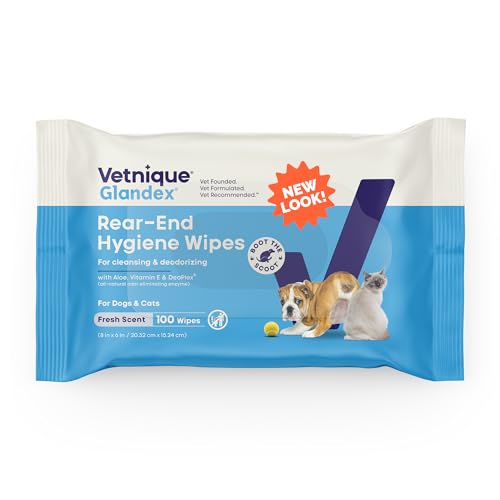
- unscented cat butt wipes or cat grooming wipes for rear area
- pet wipes for cats gentle cleansing
- cat anal area cleansing wipes
- flushable cat hygiene wipes (if they are labeled flushable and safe for cats)
- Soft towels or cloths
- Optional: small brush or comb for nearby fur

Before You Start
Prepare a quiet, well-lit space and have all supplies within reach. Check your cat for any signs of skin irritation, wounds, or mats before cleaning, and avoid cleaning over raw or inflamed areas. Work slowly to minimize stress, reward progress, and use a gentle touch. Time the routine for when your cat is calm, such as after a meal or a nap. Typical sessions last a few minutes, but adapt to your pet’s comfort level.
Step-By-Step: How To Clean A Cat’s Rear Safely
- Place your cat on a stable, non-slip surface and secure them with a calm, quiet voice.
- Inspect the anal area for mats, discharge, or signs of irritation. If you see anything unusual, consider consulting a vet before cleaning.
- Open a wipe gently and avoid touching the cat’s skin with dirty or soiled areas of the wipe.
- Fold the wipe and wipe from the outside toward the center, using a gentle, downward motion to remove stool or dirt.
- Use a fresh wipe if the area becomes heavily soiled, and avoid scrubbing or pressing hard on sensitive skin.
- For donut-shaped fur around the base of the tail, use a soft, circular motion to lift the fur slightly and clean underneath without pulling.
- Dry the area with a clean towel if needed to prevent moisture from smoothing litter into the fur.
- Reward your cat with praise or a small treat and provide water after the cleaning to help with comfort.
- Recheck the area after a few minutes to ensure cleanliness; repeat if necessary but keep sessions brief.
- Close the session with a gentle cuddle or brushing to reinforce a positive association.
- Wash your hands thoroughly after the procedure and sanitize any reusable tools.
Troubleshooting
| Symptom | Likely Cause | Fix | Prevention |
|---|---|---|---|
| Persistent redness or irritation | Frequent cleaning or harsh products | Switch to more gentle wipes and reduce frequency | Maintain regular grooming; avoid scented products |
| Stool residue near tail | Heavy stool or moisture buildup | Clean with damp wipe first, then dry; consider diet check | Timely litter box hygiene |
| Cat struggles or escapes during cleaning | Stress or fear | Slow approach, short sessions, treats, and a calm voice | Practice short, regular sessions to reduce anxiety |
| Wipes cause itching | Sensitivity to ingredients | Switch to fragrance-free or single-use wipes | Test on a small area before broader use |
Common Mistakes
- Using scented wipes or products not formulated for cats
- Applying excessive pressure or scrubbing sensitive skin
- Not drying the area after cleaning, leading to moisture buildup
- Forcing the cat to stay in place for too long, increasing stress
Tips For Best Results
- Choose unscented cat butt wipes for sensitive skin and to minimize irritation.
- Keep wipes within reach and use a warm, comfortable environment to reduce shock or discomfort.
- Start with small, controlled motions and gradually increase coverage as the cat relaxes.
- Consider routine grooming to prevent buildup and maintain skin health over time.
Call A Professional
If your cat shows persistent irritation, bleeding, or signs of illness such as vomiting, diarrhea, or lethargy, stop cleaning and contact a veterinarian promptly. Seek professional help if the cat becomes dangerously stressed, or if you notice unusual lumps, rashes, or persistent anal discharge. A professional can assess potential anal gland issues or infections requiring treatment.
FAQ
What wipes are best for a cat’s rear area?
Fragrance-free, cat-specific wipes such as those labeled pet wipes for cats gentle cleansing are typically best for sensitive skin.
How often should I clean my cat’s rear area?
Only as needed to remove stool residue or matting. Over-cleaning can irritate the skin; aim for a comfortable balance based on your cat’s hygiene and health.
Can I use human baby wipes on my cat?
Human wipes are usually not recommended due to ingredients and pH differences; use wipes designed for cats or pets.
What if the cat resists cleaning?
Take small steps, use a calm approach, and reward progress. Consider shorter sessions and consulting a vet for guidance on behavior or health concerns.
Should I bathe my cat to help with rear cleanliness?
Baths are generally not necessary for routine rear cleaning and can stress some cats. Use wipes for quick cleaning and only bathe if advised by a veterinarian for a skin or fur issue.
Buying Guide
When choosing products for cleaning a cat’s rear area, consider size, texture, and skin safety. Look for unscented options with brief ingredient lists. Evaluate the ease of use, availability in flushable forms, and whether the wipes are designed specifically for cats. Consider how the product fits into your grooming routine, including frequency and ease of disposal. If using flushable wipes, verify compatibility with home plumbing and environmental considerations. Finally, assess packaging, ease of storage, and whether a product is hypoallergenic or suitable for cats with sensitive skin.