Mirrors add brightness and a sense of space to any room, but smudges, fingerprints, and streaks can diminish their clarity. This guide walks American readers through a practical, step-by-step method to clean a mirror thoroughly using a focused set of tools designed for glass surfaces. The approach minimizes streaks and protects the reflective surface for long-lasting clarity.
Quick Answer
Use a lint-free cleaning pad or microfiber cloth with a streak-free glass cleaning kit. For larger mirrors, pair a microfiber glass cleaning cloth with a mirror squeegee and an adjustable nozzle spray bottle to evenly apply cleaner, then wipe in a zigzag pattern from top to bottom for a crystal-clear finish.
What You’ll Need
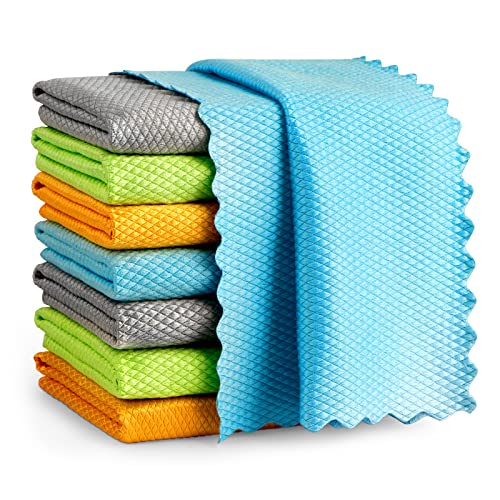
- Microfiber glass cleaning cloth for mirrors
- Mirror squeegee with soft rubber blade
- Glass cleaning spray bottle with adjustable nozzle
- Lint-free glass cleaning pad for mirrors
- Streak-free glass cleaning kit with microfiber cloths


Before You Start
Prepare the area by removing items from the mirror’s edge and laying down a microfiber towel to catch any drips. Work in a well-lit space to spot streaks as you go. Use gentle, circular motions to lift grime without scratching the surface. Avoid cleaning a hot mirror or using abrasive pads, which can damage the finish. A typical cleaning session for a standard bathroom mirror takes about 5–10 minutes, depending on spots and fingerprints.
Step-By-Step: How To Clean A Mirror
- Dust the frame and edges gently with a dry microfiber cloth to prevent transferring loose particles onto the glass.
- Fill the glass cleaning spray bottle with your preferred cleaner, adjusting the nozzle to a fine mist for even coverage.
- Spray the cleaner lightly onto a lint-free glass cleaning pad or directly onto the mirror in a few small, controlled bursts.
- Wipe the surface in a horizontal direction using the lint-free pad, starting at the top edge and moving downward to avoid re-streaking.
- Use the mirror squeegee with a soft rubber blade for large mirrors: drag from top to bottom in smooth, overlapping strokes to remove excess liquid.
- Switch to a dry microfiber cloth and buff the mirror in a zigzag pattern (S-shaped or V-shaped strokes) to reveal a streak-free shine.
- Inspect the mirror from different angles and corners; re-treat any stubborn smudges with a quick, targeted pass using the spray and pad.
- Rinse the cloth or pad as needed and repeat if spots remain, especially around the corners where grime can accumulate.
- For edge areas, use a thin, flat edge of the squeegee to clear the last line of moisture without leaving streaks.
- Finish by wiping the entire surface once more with a clean, dry microfiber cloth to ensure an even finish.
- Dispose of any used towels and wash cloths according to the cleaner’s label recommendations to prevent residue buildup on future cleans.
- Store tools in a dry, accessible place so that the next cleaning takes only a few minutes.
Troubleshooting
| Symptom | Likely Cause | Fix | Prevention |
|---|---|---|---|
| Streaky finish | Residue from cleaner or dry cloth | Switch to a microfiber cloth and use a targeted, light mist | Clean when room is not hot and avoid over-wetting |
| Cloudy appearance | Water spots or hard water minerals | Wipe with a damp microfiber pad, then dry with a lint-free cloth | Use distilled water in spray bottle if possible |
| Lint fibers on glass | Rough or dirty cleaning pad | Use a fresh lint-free pad or microfiber cloth | Rinse pad regularly during cleaning |
| Edge streaks | Moisture collected at corners | Use the squeegee or the edge of the microfiber pad | Apply minimal cleaner and work from center outward |
Common Mistakes
- Using ammonia-heavy cleaners on coated mirrors, which can damage the coating over time.
- Over-wetting the surface, which leads to drips and longer drying times.
- Ignoring corners and edges where grime tends to accumulate.
- Using abrasive pads that scratch the reflective surface.
Tips For Best Results
- Choose a streak-free glass cleaning kit that includes microfiber cloths for best results.
- Work in a single direction on each pass (horizontal or vertical) to help identify streaks more easily.
- Use a dedicated spray bottle labeled for glass cleaning to avoid cross-contamination with other cleaners.
- Prevent future buildup by wiping the mirror weekly, especially in humid bathrooms where mineral deposits form quickly.
- Store cleaning tools in a dry container to prevent mold and mildew in damp environments.
Call A Professional
Stop signs to seek professional help include persistent spotting that resists multiple cleanings, significant damage to the mirror’s surface, or a mirror that is aging or peeling. If the glass has deep scratches or clouding that affects visibility, a professional glazier or glass technician can assess replacement options and ensure proper sealing and mounting.
FAQ
What is the best cloth for cleaning mirrors?
A lint-free microfiber cloth provides the best balance of absorbency and non-scratch performance for mirrors.
Can I use window cleaner on mirrors?
Yes, but choose a product formulated for glass and avoid ammonia-based cleaners that can degrade coatings over time.
How do I prevent streaks on glass surfaces?
Apply cleaner in light, even coats and buff with a clean, dry microfiber cloth in a consistent pattern.
Is it okay to clean a mirror with a spray bottle directly?
Yes, but spray lightly and onto the cloth rather than the glass to avoid pooling liquid at edges.
Buying Guide
When selecting mirror-cleaning tools, consider the size of the mirrors in your home, the typical level of grime, and your preferred cleaning rhythm. Key buying factors include:
- Size and coverage: Larger mirrors benefit from a squeegee and larger microfiber cloths to speed up the process.
- Noise and comfort: A soft rubber blade on a mirror squeegee reduces noise and provides smooth operation.
- Energy and efficiency: Reusable microfiber cloths and spray bottles reduce waste and simplify refill cycles.
- Controls and application: An adjustable nozzle on the spray bottle helps manage spray intensity for different mirror sizes.
- Placement considerations: For high-humidity areas like bathrooms, choose quick-drying products to minimize fogging and streaks.
For many households, a streak-free kit that combines microfiber cloths, a squeegee, and a gentle cleaner offers a balanced, cost-effective solution. If you frequently clean multiple mirrors, investing in a compact, dedicated kit saves time and ensures consistent results.