Maintaining a spotless windshield not only improves visibility but also enhances safety while driving. This guide walks American drivers through a practical, step-by-step approach to deep-clean a car windshield using commonly available detailing products. The focus is on using a windshield cleaning kit, lint-free towels, a squeegee, and a professional glass cleaner to achieve streak-free results.
Quick Answer
For a fast, professional-looking clean, spray a glass cleaner on a lint-free cloth, wipe the windshield with a microfiber towel in a crisscross pattern, use a window squeegee for stubborn spots, and finish with a microfiber glass cleaning towel to remove any remaining streaks.
What You’ll Need
The following tools and materials cover all essential steps and help ensure a thorough clean. Keep in mind these items align with typical car detailing kits and glass care products.
- Windshield cleaning kit with microfiber towels and a window squeegee
- Microfiber towels for glass (lint-free where possible)
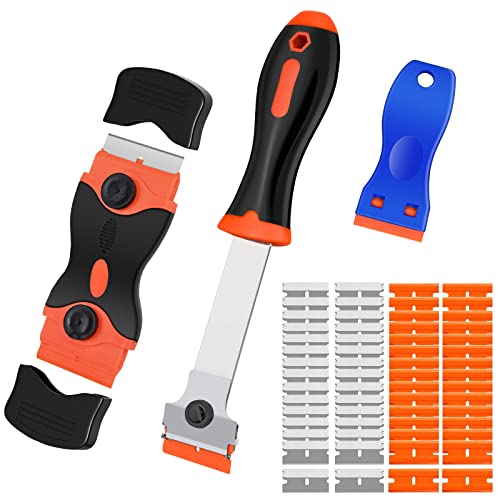
- Car windshield glass scraper or replacement blades for edging and stubborn residue
- Professional glass cleaner spray for car windshield (e.g., 24 oz bottle)
- Microfiber glass cleaning towel set (e.g., 12×12 inches)
- Lint-free cloth for final buffing and streak prevention


Before You Start
Prepare the workspace and your vehicle. Park in a shaded area to prevent premature drying of cleaner and avoid direct sun on hot glass. Ensure the windshield is cool to the touch. Remove loose debris with a dry microfiber towel before applying liquids. Avoid using abrasive scrapers or metal tools that could scratch the glass. Estimate 15–30 minutes for the full clean, depending on the level of buildup and whether you’re detailing both sides of the glass.
Step-By-Step: How To Super Clean Your Windshield
- Assemble your kit and lay out towels within easy reach.
- Begin with a light dusting using a microfiber towel to remove surface dirt.
- Spray professional glass cleaner onto a clean microfiber cloth rather than directly on the windshield to avoid overspray on surrounding surfaces.
- Wipe the glass in a vertical direction, then switch to horizontal passes to remove hidden residues. This helps reveal streaks.
- Use the window squeegee to tackle heavier spots or film buildup, keeping the blade at a shallow angle to the glass.
- Rinse or wipe away cleaner with a fresh microfiber towel, then dry the glass with a lint-free cloth to prevent water spots.
- Inspect for remaining streaks. If needed, repeat the cleaning pass on problem areas from the edges toward the center.
- Finish with a final buff using a clean microfiber glass towel to achieve a crystal-clear surface.
- Extend the process to the interior side of the windshield for completeness, using a separate cloth to avoid cross-contamination.
- Store tools properly and dispose of used wipes if they show any signs of fraying or contamination.
- Optional: Apply a light protective wipe on edges of the windshield to help repel water and smudges during rain.
Troubleshooting
| Symptom | Likely Cause | Fix | Prevention |
|---|---|---|---|
| Streaks or cloudy spots | Residue left from cleaner or towel lint | Switch to a fresh microfiber towel; use minimal cleaner | Use lint-free towels and allow drying time between passes |
| Water spots after drying | Hard water, rapid drying | Wipe with a second clean microfiber cloth | Work in shade and use distilled water for any rinse |
| Scratches or hazy film | Razor blade contact or contaminated cloth | Replace blades and use clean cloths only | Keep blades away from glass edges and use dedicated tools |
| Residue around edges | Cleaner pooling at frame | Wipe edges with a dry cloth and re-clean | Concentrate cleaning toward center and edge in small sections |
Common Mistakes
- Using dirty or damp cloths that smear dirt instead of lifting it
- Applying cleaner directly onto the windshield in excess, causing overspray
- Rubbing aggressively with abrasive tools that can scratch the glass
- Neglecting the interior surface, which can cause fog or smudges when sunlight hits the glass
Tips For Best Results
For optimal clarity, follow these practical tips. Use a dedicated microfiber towel set for glass to avoid transferring oils from other surfaces. If you notice persistent haze after cleaning, switch to a new microfiber towel and re-wipe with a light, even pressure. Work in small sections and avoid over-wetting the glass. A glossy, lint-free towel finish often provides the cleanest look. Consider a glass cleaner with anti-fog properties for interior use in humid conditions.
Call A Professional
Professional help may be needed if the windshield has deep-set damage, extensive mineral buildup, or chips and cracks that complicate cleaning. Stop and seek expert advice if you notice any of these signs: deep scratches that catch light abnormally, crazing around the edges, or irregular haze that doesn’t respond to standard cleaning. Professionals can assess safety risks and recommend appropriate replacement or repair options.
FAQ
What is the best cleaner for car windshields?
Most professionals recommend a dedicated car glass cleaner that is streak-free and safe for automotive paint and seals. Look for products labeled for automotive use and compatible with microfiber fabrics.
How often should I clean my windshield?
For most drivers, a deep-clean every 1–2 weeks during active seasons is enough to prevent buildup, with quick touch-ups as needed after heavy rain or dusty conditions.
Can I clean the windshield from the inside and outside at the same time?
Yes, but use separate clean cloths for interior and exterior surfaces to prevent cross-contamination and keep the glass clear on both sides.
Why do I still see streaks after cleaning?
Streaks often result from using towels that shed fibers or leaving cleaner to dry too quickly. Switch to clean, lint-free towels and wipe in consistent patterns.
Is a windshield scraper safe for glass?
Yes, if designed for glass and used gently to remove thick residues. Avoid metal blades near edges to prevent scratches.
Buying Guide
When selecting windshield cleaning products and tools, consider size, noise, energy efficiency, controls, and placement in your vehicle care kit. For size, choose towels and cloths that fit comfortably in your cleaning kit and can cover large panels without excessive folding. Noise is generally minimal with regular window squeegees and microfiber towels, but higher-quality tools may glide more smoothly. Energy efficiency is not a major factor for cleaning, but choosing reusable microfiber towels over disposable wipes saves resources. For controls, look for spray bottles with a comfortable mist and easy-to-push trigger. Placement matters: store cleaners, scrapers, and towels in a dedicated cabin kit or trunk organizer to keep everything accessible and prevent cross-contamination. Consider a bundled windshield cleaning kit that includes a lint-free cloth, window squeegee, and replacement blades for long-term use. If you drive in winter or rainy climates, pairing a glass cleaner with a hydrophobic spray can help maintain visibility in adverse conditions. And finally, verify that replacement blades and blades’ edge remain sharp to avoid micro-scratches on the glass during scrubbing. Would you benefit from a single all-in-one kit or modular, replaceable components? Your choice should align with how often you clean and the level of buildup you typically encounter.