Steam cleaning uses hot vapor to lift dirt, kill germs, and refresh fabrics and hard surfaces. Whether you’re refreshing upholstery, renewing carpets, or sanitizing kitchen grout, the right steam cleaner setup makes a big difference. This guide walks through practical steps, tool selections, and safety tips to help American users achieve effective results with common household steam equipment.
Quick Answer
Best way to start is to choose a multi-surface steam cleaner with appropriate attachments, fill the water reservoir, and test on a discreet area. For floors, a steam mop with a scrub brush attachment works well; for upholstery and grout, a handheld steam cleaner with fabric and grout tools is ideal; for garments, a garment steamer or professional handheld option provides continuous steam without scorching fabrics.
Key takeaway: Use the right tool for the job, keep surfaces damp but not soaked, and follow manufacturer guidelines to avoid damage.
What You’ll Need
The following tools and materials help cover the most common steam cleaning tasks. Assemble these before you begin for smoother, faster work.
- Handheld steam cleaner for upholstery and grout
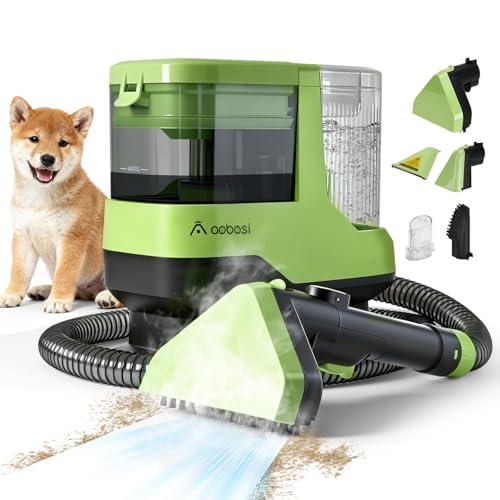
- Carpet steam cleaner machine with wand and upholstery tool
- Steam mop for hardwood floors with scrub brush attachment
- Garment steamer handheld professional continuous steam
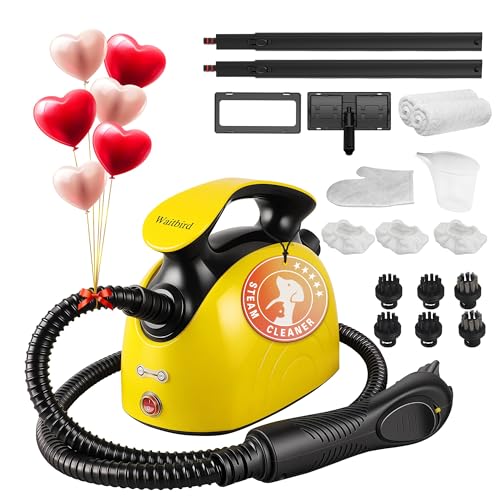
- Multi-surface steam cleaner system with floor nozzle attachments

Before You Start
Before firing up any device, review the user manual for your specific model and safety guidance. Always use distilled water if the manufacturer recommends it to reduce mineral buildup.
Choose a well-ventilated area and protect delicate surfaces with a small test patch. Never over-saturate wood, delicate fabrics, or electrical outlets. Allow carpets or rugs to dry completely before foot traffic resumes, and wear protective gloves when handling hot steam or scrubbing attachments.
Time estimates vary by task: small fabric spots may take 5–15 minutes, while full-room steam cleaning can take 30–60 minutes, plus drying time. Plan accordingly and work in sections.
Step-By-Step: How To Steam Clean
- Prepare the area by removing loose debris and protecting nearby surfaces that aren’t steam-clean friendly.
- Fill the water reservoir with clean, distilled water if recommended, then allow the unit to heat to the indicated temperature.
- Attach the appropriate tool: upholstery nozzle for furniture, grout brush for tile lines, or floor nozzle for hard surfaces.
- Test the steam on an inconspicuous spot to confirm colorfastness and fabric integrity.
- Begin steaming in small, even passes, holding the tool slightly above the surface to avoid oversaturation.
- For fabrics and upholstery, work in a back-and-forth motion to lift dirt without soaking cushions.
- On floors, move slowly with a steady pass, and use the scrub brush attachment on stubborn grime or grout lines.
- Use a dry microfiber cloth or towel to blot damp areas and speed drying, especially on carpets and hardwood edges.
- Flush the system briefly after finishing by running a little steam through the wand to clear the nozzle.
- Inspect treated surfaces as they dry. If any residue remains, repeat the treatment on problem spots.
- Store the unit upright in a cool, dry place and empty the reservoir after use to prevent mineral buildup.
Troubleshooting
| Symptom | Likely Cause | Fix | Prevention |
|---|---|---|---|
| Steam output is weak | Low water or clogged nozzle | Refill with distilled water and clean nozzle | Regularly descale if recommended |
| Surface remains damp after use | Too much steam or surface absorbs slowly | Shorten steam passes and allow extra drying time | Use on the recommended surface type |
| Leaking water from device | Cracked seal or loose connections | Inspect seals and tighten or replace parts as needed | Follow storage and transport tips from manual |
| Unpleasant odor or residue | Residue from hard water minerals | Use distilled water and clean/flush system | Empty reservoir after use and wipe dry |
| Fabric color fading | Excessive heat on delicate material | Reduce steam intensity or avoid certain fabrics | Test patch first and follow fabric care labels |
Common Mistakes
- Over-wetting upholstery, which increases drying time and mold risk
- Using steam on untreated or unfinished wood floors
- Forgetting to test a small area before full treatment
- Neglecting to clean the steam nozzle and filters, leading to blockages
- Ignoring manufacturer guidelines on maximum temperature and pressure
Tips For Best Results
- Work in short, controlled bursts to avoid saturating surfaces.
- Pair steam cleaning with a dry wipe to lift and extract soil efficiently.
- Use the floor nozzle attachments for larger areas to improve coverage and speed.
- For upholstery, pre-treat heavily soiled spots with a light spot cleaner (if compatible with steam).
- Store equipment with the water reservoir empty to minimize mineral buildup.
Call A Professional
Consider professional help if there are persistent stains, embedded odors, or delicate fabrics that require specialized care. Stop and seek assistance if you notice any signs of damage to surfaces, electrical components, or if the device fails to operate safely after basic troubleshooting.
FAQ
Is steam cleaning safe for hardwood floors?
Steam can be effective for sealed hardwood floors when used with a compatible steam mop and appropriate attachments. Avoid excessive moisture and use on recommended finishes.
Can I use tap water in a steam cleaner?
Many models work with tap water, but using distilled water reduces mineral buildup and prolongs the device’s life.
How long does it take for surfaces to dry after steam cleaning?
Drying times vary by surface and environment, but most hard surfaces dry within minutes to an hour, while fabrics may take longer.
What attachments are essential for steam cleaning upholstery?
Upholstery nozzles, fabric brushes, and grout or edge tools help remove soil and refresh fibers effectively.
Buying Guide
Choosing the right steam cleaning setup involves evaluating size, noise, energy use, controls, and placement flexibility. Here are key considerations to help shoppers compare options and select the best fit.
- Size and weight: Choose a model that fits your space and is easy to maneuver, especially for stairs or compact closets.
- Noise level: Look for quieter operation if you plan to clean during evenings or in shared spaces.
- Energy efficiency: Energy-efficient models use less power and heat water faster, saving time and money.
- Controls and indicators: Digital controls, easy heat-up times, and clear water level indicators help with consistent results.
- Interchangeable attachments: A multi-surface system with floor nozzle attachments, upholstery tools, and grout brushes offers versatility.
- Water source: Consider whether you prefer distilled water compatibility or can rely on tap water with periodic descaling.
- Storage and maintenance: Look for easy detachment parts, a straightforward cleaning routine, and accessible replacement parts.
- Placement and storage: Ensure the unit can be stored in a dry, accessible location and that hoses or wands don’t pose tripping hazards.
In practice, many households benefit from a combination approach: a carpet steam cleaner machine with wand and upholstery tool for textiles, a steam mop for hard floors, and a garment steamer handheld for wardrobe care. If the space requires cleaning multiple surfaces regularly, a multi-surface steam cleaner system with floor nozzle attachments can be a practical all-in-one solution.