Wool fabrics and garments demand gentle care to maintain their texture and appearance. Spot cleaning is a practical, low-risk method for removing fresh stains without full washing. This guide shows practical, step-by-step methods tailored for wool, using safe spot cleaners and tools designed for delicate fibers.
Quick Answer
Spot clean wool promptly with a fiber-safe cleaner, test in an inconspicuous area, blot rather than rub, and use cool water. For persistent spots, switch to a wool-safe stain remover pen or a gentle liquid and follow up with a soft brush to restore nap.
What You’ll Need
- wool fabric spot cleaner spray for delicate fabrics
- stain remover pen for wool garments
- enzyme wool rug spot cleaner kit
- delicate fabric cleaning brush set for wool
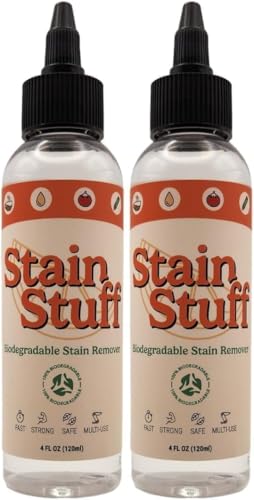
- fiber-safe wool garment stain remover liquid


Before You Start
Identify stain type and colorfastness by testing a hidden seam with a small amount of cleaner. Use cool or lukewarm water—never hot, which can set stains. Work on a clean, white towel or cloth to avoid color transfer. If wool is heavily soiled or in poor condition, consider professional cleaning rather than DIY methods.
Time estimates: a quick spot clean can take 5–15 minutes; deeper staining or nap restoration may take 20–40 minutes with drying time. Always air dry wool flat or on a padded surface to prevent distortion.
Step-By-Step: How To Spot Clean Wool Safely
- Lay the garment on a clean, flat surface. Place a white towel beneath the stain area to monitor absorption.
- Gently blot the stain with a wool-friendly spot cleaner spray or a small amount of fiber-safe wool garment stain remover liquid applied to a clean cloth. Do not rub; lift the stain gradually.
- If needed, apply a stain remover pen for wool garments directly to the stain following product directions. Let it sit briefly to penetrate the fibers.
- Blot again with a clean cloth, moving from the outside of the stain toward the center to prevent spreading. Use a gentle dabbing motion.
- For stubborn spots, mix a tiny amount of mild wool-safe detergent with cool water. Apply with a soft delicate fabric cleaning brush set for wool, brushing lightly in the direction of the nap.
- Rinse by dabbing with a cloth lightly dampened with clean water to remove any cleaning residue. Avoid soaking the fabric.
- Blot excess moisture with a dry towel, then lay the garment flat to air dry away from direct heat or sunlight. Reshape as it dries to maintain its form.
- Check the area again once dry. If the stain persists, repeat the steps or consider a specialized enzyme wool rug cleaner for larger, fabric-based stains on rugs or drapery made of wool.
- Once clean and dry, gently brush with the delicate fabric cleaning brush set for wool to restore the nap and texture.
- Store or wear as usual. Regular spot checks help prevent buildup and keep wool looking crisp.
- Optional enhancement: Launder according to care label after initial spot cleaning if the care instruction allows, ensuring you select a wool-safe cycle and detergent.
Troubleshooting
| Symptom | Likely Cause | Fix | Prevention |
|---|---|---|---|
| Stain spreads during cleaning | Rubbing or applying cleaner too aggressively | Blot, don’t rub; use outward-to-inward motion | Test cleaner first; work in small areas |
| Color change or halo around stain | Cleaner not fully rinsed, or fabric sensitive to cleaner | Rinse gently with clean water; blot dry | Use wool-safe products; perform spot test |
| Nap appears matted after cleaning | Stiffness from cleaning residue | Brush with soft wool brush to lift nap | Use minimal detergent and ensure complete removal |
| Stain reappears after drying | Stain transferred deeper during initial clean | Re-treat with appropriate stain remover for wool | Address stain promptly; avoid heat |
Common Mistakes
- Using hot water which can set stains and shrink or felt wool
- Rubbing aggressively, which damages fiber and nap
- Using household cleaners not formulated for wool on delicate fabrics
- Applying too much cleaner or leaving residue behind
- Allowing stains to dry before attempting removal
Tips For Best Results
- Always perform a hidden-area test before treating visible stains
- Use a combination of blotting, gentle brushing, and measured cleaning solutions
- Choose products labeled safe for wool and delicate fabrics
- Work from the outside edge of the stain toward the center to prevent spreading
- Air-dry flat to preserve garment shape, avoiding heat sources
Call A Professional
Consider a pro if stains are set, if the wool is particularly valuable, or if the fabric is a specialty weave or hand-woven item. Stop and consult a professional if you notice felting, color bleeding, or if the stain is on a high-value or structured wool garment.
FAQ
Can I spot clean wool at home without washing the whole garment?
Yes. Spot cleaning targets the stain while leaving most of the garment untouched, preserving fiber integrity.
Which cleaners are safe for wool?
Choose cleaners labeled for wool and delicate fabrics, such as enzyme wool cleaners or fiber-safe stain removers designed for wool garments.
Is it okay to rinse wool with water after cleaning?
Yes, but use cool or lukewarm water and apply gently to avoid saturating the fabric.
How can I restore nap after cleaning?
Brush lightly with a soft brush designed for wool to lift the fibers and return the fabric’s texture.
Buying Guide
When selecting wool spot-cleaning products, consider size and concentration, compatibility with delicate fabrics, and ease of use. A practical kit should include a wool-safe spray, a stain-remover pen for wool garments, an enzyme-based option for tougher spots, and a soft brush set for nap restoration. Look for products with clear usage instructions and visible safety ratings on wool.
Why This Approach Works
Wool fibers are prone to felting and distortion if treated harshly. By using targeted, fiber-safe cleaners and minimal moisture, spot cleaning preserves the integrity of wool while removing stains effectively. The combination of sprays, pens, and gentle brushing enables versatility across clothes, dresses, and even wool rugs with similar care needs.