Throw pillows add comfort and color to living spaces, but spills and stains are inevitable. This guide explains a practical, step-by-step approach to spot clean throw pillows using common tools and consumer-friendly products. The aim is to restore fabric appearance while protecting pillow filling and structure.
Quick Answer
Identify the stain type, test a hidden area with a fabric-safe cleaner, blot gently with a clean cloth, apply a small amount of cleaner, blot again, and air-dry completely. For tough spots, use a fabric stain remover spray for upholstery or a stain removing pen for fabric, followed by a soft-bristle brush and careful drying.
A Practical Kit To Spot Clean Throw Pillows
What you’ll need should come from common household stains and the provided product list. Gather items in advance to speed up the cleaning process and avoid spreading stains.
- Fabric stain remover spray for upholstery—for surface stains and everyday spills
- Stain removing pen for fabric—for pinpoint treatment on small marks
- Microfiber cleaning cloth for upholstery pillows—for gentle blotting and lifting
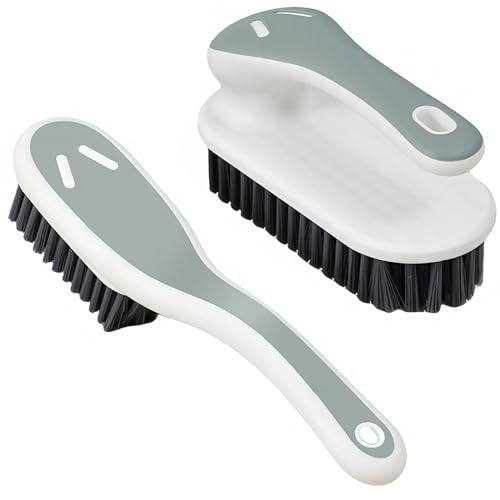
- Upholstery cleaning brush soft bristle—to work cleaner into fibers without damage
- Portable fabric steamer for cushions—to refresh fabric and speed drying


Before You Start
Before cleaning, check the care label on the pillow to confirm fabric compatibility. Perform a patch test on an inconspicuous corner by applying a small amount of cleaner and blotting with a cloth. If there’s color transfer or texture change, stop and seek a different method. Time estimate for a typical spill-cleanup ranges from 15 to 45 minutes, depending on stain severity and drying time. Avoid saturating pillows; excessive moisture can damage filling and cause odors.
Step-By-Step: How To Spot Clean Throw Pillows
- Identify the stain and plan the approach: note whether it’s wet or dry, oily or water-based, and choose the cleaner accordingly.
- Blot, don’t rub: use a microfiber cleaning cloth to blot the stain, lifting as much liquid as possible without pushing it deeper.
- Apply cleaner to a cloth, not directly on fabric: dampen the microfiber cloth with a small amount of fabric stain remover spray for upholstery or a dab of stain removing pen for fabric as needed.
- Target the stain: work from outside edges toward the center to prevent spreading. Use gentle, circular motions with the cloth or the pen as appropriate.
- Work cleaner into fibers: if using a soft-bristle upholstery cleaning brush, lightly brush the area to lift embedded dirt.
- Rinse and blot again: if the product requires rinsing, use a clean damp cloth to wipe away residues, then blot dry with a dry microfiber cloth.
- Dry thoroughly: if possible, use a portable fabric steamer for cushions to loosen fibers and speed drying, or allow air-drying in a well-ventilated area away from direct heat.
- Reassess and repeat: once dry, check for any remaining stain and repeat the process if necessary, avoiding overwetting the fabric.
- Finish with fluff: gently brush the fabric with the soft bristle brush to restore pile and uniform appearance.
- Prevent future staining: consider applying a fabric protector after cleaning, following product directions and fabric compatibility.
- Final check: confirm the pillow’s surface looks uniform and the zipper or cover remains intact after treatment.
Troubleshooting
| Symptom | Likely Cause | Fix | Prevention |
|---|---|---|---|
| Stain reappears after drying | Stain wasn’t fully removed or stain penetrated deeper | Repeat cleaning with targeted product and allow longer drying time | Test spot first; blot carefully; use stain protection after cleaning |
| Fabric colors fade | Cleaner was too harsh or concentrated | Rinse with plain water and blot dry; avoid strong cleaners | Always patch-test; use milder cleaners on delicate fabrics |
| Fibers become stiff | Residue left from cleaner | Rinse thoroughly and blot until dry | Use minimal product; ensure complete removal |
| Water spots or rings | Moisture unevenly distributed | Evenly mist with a light cleaner and blot; finish with gentle brushing | Apply cleaner in small amounts |
| Cover fabric frays | Aggressive brushing or scrubbing | Switch to gentle blotting; avoid aggressive motions | Choose appropriate brush; test on hidden area |
Common Mistakes To Avoid
- Using hot water on protein-based stains, which can set them
- Rubbing vigorously, which damages fibers and spreads stain
- Over-wetting the pillow, risking molding of filling
- skipping a patch test, leading to color bleeding or fabric damage
Following cautious methods helps protect pillow fabrics and filling while achieving a cleaner appearance.
Tips For Best Results
- Always blot, never rub, to lift stains without embedding them deeper
- Use microfiber cloths for their superior absorbency and gentleness
- Test any cleaner on a hidden corner before full application
- Work from the outside of the stain toward the center
- When in doubt, air-dry fully and repeat the process later for stubborn stains
Call A Professional
Seek professional help if stains are wine, ink, or dye-transfer, or if the pillow has delicate fabrics, odor issues, or significant water damage. Stop cleaning and contact a professional if color bleeding occurs or if the pillow cover is non-removable or fragile.
FAQ
Can I spot clean all pillow fabrics?
Most cotton, polyester, and blends respond well to spot cleaning, but silk, velvet, or leather may require specialized care or professional cleaning.
Should I wash the pillow cover after spot cleaning?
If the cover is removable and washing is permitted by the care label, follow the label instructions after spot cleaning to refresh the fabric.
What if a stain dries after cleaning?
Re-wet the area with a small amount of cleaner and repeat the blotting process, then rinse and dry thoroughly.
Is steam cleaning safe for pillow fabrics?
Steam can be helpful for refreshing fibers, but ensure the fabric can tolerate heat and avoid soaking the filling.
Buying Guide
Choosing the right products for spot cleaning throw pillows involves considering fabric type, stain types, and care routines. Here are key buying factors:
- Stain removal capabilities: Look for stain remover sprays designed for upholstery and pens for fabric, which target different stain sizes and types.
- Fabric compatibility: Check labels to ensure cleaners are safe for cotton, polyester, microfiber, or blended fabrics commonly used on pillows.
- Applicator tools: Soft bristle brushes and microfiber cloths minimize fiber damage while lifting dirt.
- Drying aids: Portable fabric steamers can speed up drying and refresh fabric without introducing excess moisture.
- Portability and convenience: Compact tools enable quick cleanup without removing pillow covers or moving furniture.
- Durability and care: Reputable brands with clear care instructions help prevent accidental damage.
For best results, match products to the most common stains in your home, follow patch-test steps, and maintain regular spot-clean routines to preserve pillow appearance and longevity.