Keeping a guinea pig’s living space clean is essential for health and happiness. Spot cleaning focuses on daily maintenance to reduce odors, prevent buildup, and minimize thorough cleanings. This guide provides a clear, step-by-step method tailored for American households, using safe tools and simple routines.
Quick Answer
Spot cleaning involves removing obvious waste, uneaten foods, and wet spots daily, then refreshing bedding and wiping surfaces with safe cleaners. Aim for a quick 5–10 minute routine, several times a week, to maintain a clean habitat without full disassembly.
What You’ll Need
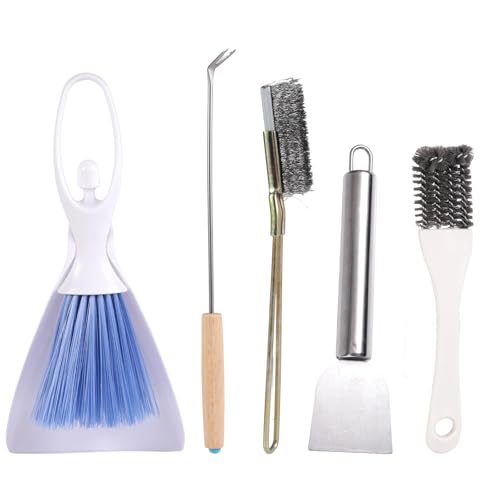
- guinea pig cage scrub brush for gentle scrubbing of plastic bases and corners
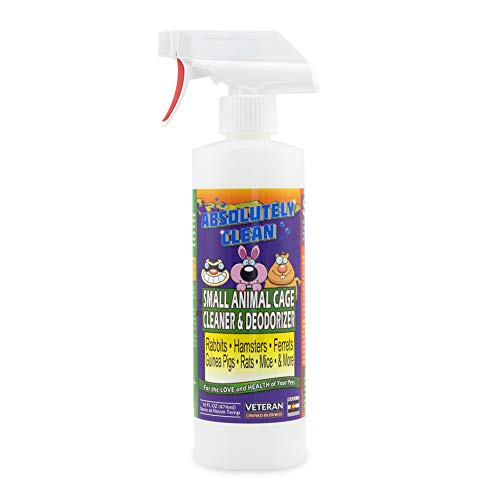
- pet-safe cage disinfectant spray for small animals to sanitize touchpoints
- microfiber cloths for guinea pig cage cleaning for quick, lint-free wiping
- stainless steel cage cleaning brush for small animals to reach metal bars and mesh
- small animal cage cleaning gloves to protect hands and reduce contamination

Before You Start
Before spot cleaning, gather materials and prepare the cage area. Work in a well-ventilated space and keep your guinea pig safely in a temporary enclosure or carrier during cleaning. Check for loose hardware or sharp edges that could harm the animal. Avoid harsh chemicals near pets, and rinse any cleaner residue completely. Time estimate: 5–15 minutes per session, depending on cage size and mess.
Step-By-Step: How To Spot Clean A Guinea Pig Cage
- Put on small animal cage cleaning gloves to reduce direct contact with waste and cleaners.
- Remove obvious waste and soiled bedding from the cage floor using a scoop or gloved hands, placing it into a bag for disposal.
- Wipe away visible hair and debris from the troughs, ramps, and corners with a microfiber cloth dampened with plain water or a small amount of pet-safe cage disinfectant spray for small animals.
- Scrub the cage base and removable trays with the guinea pig cage scrub brush or stainless steel cage cleaning brush for small animals to remove caked residue.
- Rinse or wipe generously to remove cleaner residues. If using a spray, ensure it dries completely before returning the pig to the cage.
- Distribute fresh bedding evenly and reassemble accessories in their proper spots, checking that doors and latches function smoothly.
- Lightly mist or wipe surfaces with a small amount of cleaner, focusing on high-traffic touchpoints like water bottles, food bowls, and the cage door.
- Perform a final wipe-down with a dry microfiber cloth to remove any moisture and prevent damp odors.
- Observe the guinea pig’s behavior after reintroduction; ensure there is no irritation or unusual coughing from residual cleaner.
- Document the routine: note materials used and date for future reference, helping maintain consistent cleaning intervals.
- Schedule regular full cleans (weekly or biweekly) to complement spot cleaning and keep the habitat hygienic.
Troubleshooting
| Symptom | Likely Cause | Fix | Prevention |
|---|---|---|---|
| Persistent cage odor between cleanings | Infrequent spot cleaning or heavy soiling | Increase spot-clean frequency to 2–3 times per week | Daily quick checks and removal of waste |
| Streaks or cleaner residue on surfaces | Excess cleaner or insufficient rinsing | Rinse thoroughly or wipe dry after application | Use minimal amounts of disinfectant and allow proper drying time |
| Guinea pig shows signs of irritation after cleaning | Residue from cleaner | Discontinue use of that product; switch to a milder, pet-safe spray | Test cleaner on a small area before full use |
| Water bottle or feeder areas stay damp | Poor drying or blocked drainage | Ensure proper airflow and dry those spots | Check for leaks and clean daily |
Common Mistakes
- Using strong household cleaners around small animals — choose pet-safe options only.
- Over-wetting bedding or surfaces, which prolongs drying and promotes mold growth.
- Neglecting edges and corners where waste can accumulate.
- Reintroducing a guinea pig too soon after applying cleaners that haven’t fully dried.
Tips For Best Results
- Establish a consistent daily quick-check routine to catch messes early.
- Rotate cleaning tasks so no single area becomes heavily soiled.
- Keep a small stockpile of fresh bedding and disposable liners for rapid changes.
- Choose a pet-safe cage disinfectant spray for small animals that has clear drying times and is non-toxic when dry.
- Store cleaning tools in a dedicated bin to avoid cross-contamination with other pets.
Call A Professional
Contact a veterinarian or a professional pet care service if the cage is heavily contaminated, if there are signs of illness in the guinea pig, or if frequent cleaning reveals persistent odor despite cleaning efforts. Seek help immediately for any suspected respiratory issues or skin reactions in the animal.
FAQ
How often should I spot clean a guinea pig cage?
Daily quick checks with light spot cleaning are recommended; perform a more thorough clean weekly or biweekly depending on cage setup and the pig’s habits.
Can I use vinegar for spot cleaning?
Small amounts of white vinegar diluted with water can be effective, but ensure it is fully rinsed and dried before the guinea pig is returned.
What surfaces are hardest to clean?
Plastic bases and mesh corners can trap waste and odors; use appropriate brushes and microfiber cloths to reach these areas.
Is it safe to disinfect feeders and water bottles?
Yes, use a pet-safe method and ensure all residues are rinsed away and completely dry before use.
What should I do if my guinea pig shows signs of stress during cleaning?
Pause cleaning, provide a quiet space, and gradually acclimate the pig to routine cleaning times to reduce stress.
Buying Guide
When choosing products for spot cleaning a guinea pig cage, consider size, material compatibility, and safety. Look for a lightweight but effective cage scrub brush for easy reach, a pet-safe disinfectant suitable for small animals, and microfiber cloths that resist shedding. Stainless steel brushes offer durability for metal cages, while gloves protect hands and reduce direct contact with waste. Consider the cage layout and accessibility to determine whether you need longer-handled tools or more compact options. A well-rounded toolkit supports fast, regular spot cleaning without disruptive full cleans.