Maintaining clean and hygienic retainers is essential for oral health and overall comfort. A routine that combines daily rinsing with periodic deep cleaning can prevent odor, buildup, and irritation. This guide outlines practical steps, safe products, and common pitfalls to help American users keep their retainer in top condition.
Quick Answer
Regular rinse after meals and weekly cleaning with appropriate tools offer the best balance between effort and cleanliness. For deeper sanitizing, use approved cleaners specifically designed for retainers and dentures, following package directions closely.
What You’ll Need
Having the right tools on hand makes cleaning easier and more effective. Below is a starter kit built from common, trusted options:
- retainer cleaning ultrasonic cleaner
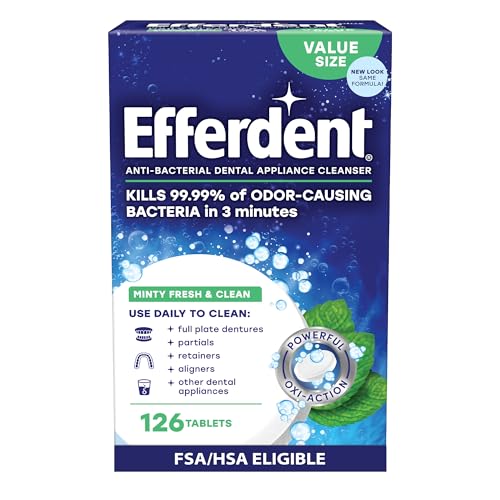
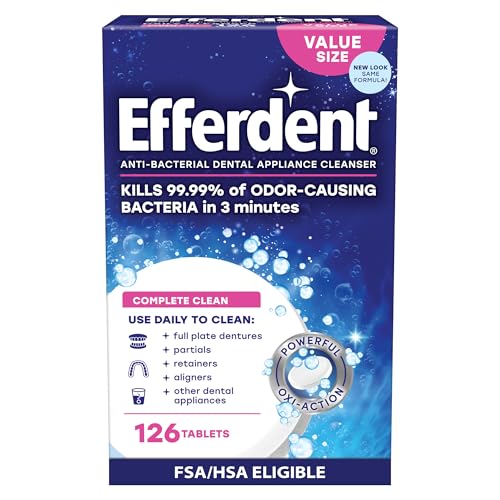
- retainer cleaning tablets effervescent 32 count
- soft bristle retainer brush
- denture/retainer cleaning kit
- retainer UV sterilizer case

Before You Start
Before cleaning, remove the retainer from the mouth and rinse under lukewarm water. Warm water can warp plastic, so avoid hot temperatures. Never boil or microwave a retainer. If the retainer has any cracks or warping, consult a dentist before use. Plan on cleaning at least once daily, with a deeper clean once or twice a week.
Time estimates: quick rinse 1–2 minutes; routine cleaning 5–7 minutes; deep cleaning 10–15 minutes. Store the retainer in a clean, dry case when not in use to prevent microbial growth.
Step-By-Step: How To Clean Your Retainer
- Rinse immediately after removal to remove saliva and loose debris. This helps prevent buildup during the day.
- Use a soft bristle retainer brush with lukewarm water to gently scrub surfaces. Focus on grooves and hinges but avoid excessive force.
- Soak with a recommended cleaner—either a denture/retainer cleaning kit or effervescent tablets designed for retainers. Follow the product’s directions for dilution and soaking time.
- Rinse thoroughly after soaking to remove all cleaning residue that could irritate the mouth.
- Disinfect periodically with a retainer UV sterilizer case or an approved ultrasonic cleaner. Run a complete cycle as directed by the device manufacturer.
- Dry and store properly in a clean case. Make sure the case itself is cleaned regularly to avoid recontamination.
- Inspect for wear after cleaning. Look for cracks, sharp edges, or warping—these require professional assessment and possible replacement.
- Establish a routine by cleaning at the same times each day to prevent forgetfulness and ensure consistent hygiene.
Troubleshooting
| Symptom | Likely Cause | Fix | Prevention |
|---|---|---|---|
| Unpleasant odor persists | Bacteria buildup | Increase soaking time with a trusted cleaner and brush more thoroughly | Daily clean plus weekly deep clean |
| White cloudy film | Mineral deposits or residue | Rinse with fresh water after soaking; consider a second rinse cycle | Use filtered water if possible |
| Retainer feels loose or tight | Warping or anatomy changes | Consult a dentist; avoid heat exposure | Store in a stable temperature area |
| Allergic irritation or rash | Harsh cleaners or improper rinsing | Switch to a milder cleaner and rinse thoroughly | Never mix cleaners; follow product directions |
Common Mistakes
- Using hot water or high heat to wash
- Over-soaking in abrasive cleaners
- Skipping daily rinses and routine maintenance
- Neglecting to clean the case, which can harbor microbes
- Ignoring signs of wear or cracking
Tips For Best Results
- Pair soft bristle retainer brush with gentle, non-abrasive cleaners to maintain surface integrity.
- Schedule a weekly deep clean using retainer cleaning tablets effervescent 32 count for a thorough freshening.
- Consider a retainer UV sterilizer case as an additional disinfecting step, especially when sharing storage spaces or traveling.
- Keep a small travel cleaning kit ready for on-the-go maintenance.
Call A Professional
Consult a dentist if the retainer shows cracks, warping, persistent odor after cleaning, or if it no longer fits comfortably. Do not attempt to modify or heat-set a retainer yourself, as this can cause damage or injury.
FAQ
How often should I clean my retainer?
Clean daily with a rinse, brush, and soak as part of a routine, and perform a deeper clean once or twice a week.
Can I use whitening toothpaste on my retainer?
Avoid whitening toothpaste unless advised by a dentist; use nonabrasive cleaners formulated for retainers.
Is an ultrasonic cleaner safe for all retainer types?
Most acrylic and polycarbonate retainers are safe with ultrasonic cleaners when used according to device and product instructions, but check your retainer type with your dentist first.
What about cleaning a retainer with lemon juice or vinegar?
Acidic solutions can damage materials, so stick to products designed for dentures and retainers and avoid household acids unless explicitly advised.
Should I rinse after every meal?
Yes, a quick rinse after meals helps minimize buildup and makes the daily cleaning easier.
Can I wear my retainer while cleaning?
Avoid wearing the retainer during cleaning to ensure thorough coverage and to prevent damage or irritation.
How can I prevent odors between cleanings?
Rinse promptly after meals, dry the retainer before storing, and use a sanitizing method as part of a regular routine.
Buying Guide
When shopping for retainer cleaning tools and accessories, consider several factors to ensure a good fit with daily routines and retainer materials.
- Size and compatibility: Ensure cleaners and UV cases fit your retainer type (plastic, clear aligner, or other materials) and any case dimensions that fit your storage space.
- Noise level: Ultrasonic cleaners vary in noise; quieter models are preferable for bathroom or bedroom use.
- Energy efficiency: Look for energy-saving modes and timers on cleaners and UV boxes to minimize electricity use.
- Controls and ease of use: Simple timers, clear instructions, and auto-dispense features help maintain consistency.
- Placement and storage: Choose products with compact footprints and countertop or cabinet-friendly designs; ensure the storage case is easy to clean and vent.
- Materials safety: Verify that tablets, brushes, and cleaners are labeled safe for dental appliances and do not degrade plastics.
- Bundle options: A bundled kit often saves money and ensures you have all necessary items (cleaning tablets, brush, ultrasonic or UV device).
- Travel readiness: If frequent travel is common, consider compact travel kits and durable cases for on-the-go cleaning.