Maintaining a clean hot tub is essential for comfort, safety, and extending the life of the equipment. This guide provides practical, step-by-step methods tailored to American households, with simple supplies and proven routines that keep water sparkling and inviting year-round.
Quick Answer
Regular brushing, timely skimming, and precise chemical testing are the core practices. Use a hot tub cleaning kit and spa chemical set with pH test strips to manage alkalinity and sanitizer levels, then rinse and inspect seals weekly.
What You’ll Need
The following tools and supplies cover routine cleaning and water testing. Gather them before you start to streamline the process.
- Hot tub cleaning kit spa chemical set with pH test strips
- Spa water test strips for hot tub and chemical tester
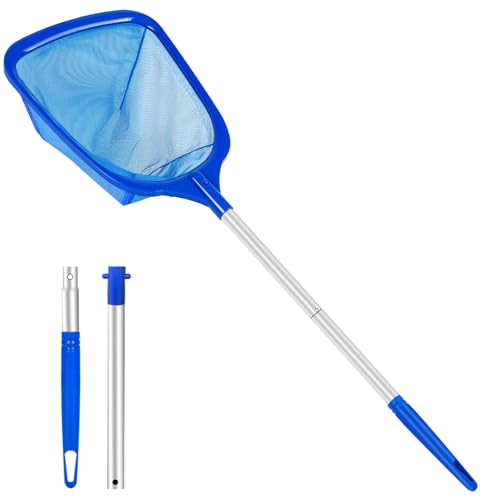
- Hot tub skimmer net for debris removal
- Soft bristle spa brush for hot tub walls
- Spa jet hose cleaning brush for hot tub lines


Before You Start
Prepare the area and water chemistry for a safe cleaning session. Clear the surroundings of toys or towels, turn off power when removing components for deep cleaning, and check the hot tub’s chemistry baseline before you begin. Always follow the manufacturer’s instructions for your specific model.
Time estimate: 45–90 minutes for a thorough clean, depending on tub size and condition. Quick weekly upkeep can take 20–30 minutes.
Step-By-Step: How To Keep Your Hot Tub Clean
- Remove debris with the hot tub skimmer net for debris removal along the water surface and around the drain area.
- Test water chemistry using the spa water test strips for hot tub and chemical tester, noting pH, total alkalinity, and sanitizer levels.
- Adjust chemistry with the hot tub cleaning kit spa chemical set with pH test strips. Set sanitizer concentration first, then balance pH to the recommended range for comfort and efficiency.
- Brush the interior surfaces with the soft bristle spa brush for hot tub walls, paying attention to scum lines and waterline to prevent mineral buildup.
- Clean the jets and plumbing lines using the spa jet hose cleaning brush for hot tub lines to remove stagnation and mineral deposits.
- Rinse the shell with a gentle, non-abrasive cleaner if needed, then rinse thoroughly to avoid soap residues affecting water chemistry.
- Empty and refill if total dissolved solids (TDS) are excessively high, or if persistent cloudiness occurs despite proper chemical balance.
- Re-test water chemistry and re-balance as needed. Reapply sanitizer and adjust pH to the ideal range, then run the pump to circulate the water.
- Inspect filters; rinse or replace according to the manufacturer’s recommendations to maintain efficient filtration and clear water.
- Establish a weekly maintenance cadence: skim daily, test twice weekly, brush monthly, and deep-clean every 1–3 months depending on usage and climate.
Troubleshooting
| Symptom | Likely Cause | Fix | Prevention |
|---|---|---|---|
| Cloudy water | Imbalanced pH or inadequate filtration | Re-test and re-balance chemistry; clean or replace filters | Maintain consistent test routine |
| Strong chlorine/ozone odor | Insufficient sanitization or high organic load | Increase sanitizer levels temporarily; rinse filter | Skim daily; shower before use to reduce body oils |
| Soap scum at waterline | Residues from body products and detergents | Clean shell and waterline; adjust balance | Limit personal products and rinse before entry |
| Filters clogged quickly | Heavy debris or infrequent cleaning | Rinse filters more often; replace as needed | Keep debris under control with skimmer |
Common Mistakes
- Using household cleaners or abrasive tools inside the tub
- Avoiding regular water testing and relying on guesswork
- Overlooking filter maintenance, leading to poor circulation
- Neglecting to balance pH and alkalinity before adding sanitizers
Tips For Best Results
- Test water at the same time of day to track trends accurately.
- Keep a cleaning schedule and log to spot issues early.
- Use a dedicated spa cleaner and avoid mixing cleaners that can cause foaming or harmful reactions.
- Shower before using the tub to minimize oils and lotions entering the water.
- Inspect seals and cover regularly for leaks and heat efficiency.
Call A Professional
Consider professional help if you notice persistent cloudy water despite proper chemistry, ongoing strange odors, weak jet pressure, or visible leaks around seals. Seek assistance when the system remains out of balance after multiple troubleshooting attempts, or if you’re unsure about safety procedures with electrical components.
FAQ
How often should I test hot tub water?
Test at least twice a week, and more often during heavy use or in extreme temperatures.
What pH range is ideal for hot tubs?
Aim for a pH between 7.2 and 7.8 for comfort and sanitizer effectiveness.
Can I use household cleaners in a hot tub?
No. Use products specifically designed for hot tubs and follow the manufacturer’s directions.
How often should I replace filters?
Typically every 6–12 months, depending on usage and manufacturer guidance.
Is it necessary to drain and refill the tub?
Drain and refill when water balance can’t be restored, or at least every 3–4 months for health and performance, depending on usage.
Buying Guide
When selecting products and accessories to keep a hot tub clean, consider size, noise, energy usage, controls, and placement. For cleaners and testers, the right kit should simplify routine maintenance and provide reliable readings. Compare spa chemical sets with pH test strips, and ensure the test strips match your water testing needs. A dedicated skimmer net and soft-bristle brush protect surfaces while removing debris and buildup. For lines and jets, a specialized cleaning brush helps prevent clogs without scratching surfaces. Finally, assess how easy the tools are to store and how often you plan to clean based on tub usage. Would you benefit from a compact kit for a small spa, or a full cleaning system for a high-traffic model? The right combination balances effectiveness, safety, and convenience for ongoing hot tub cleanliness.