Maintaining a clean windshield is essential for safe driving visibility. This guide helps American drivers use simple, proven methods and readily available products to remove grime, reduce streaks, and protect glass over time. With the right tools and technique, you can achieve a crystal-clear windshield in a few straightforward steps.
The following sections provide a practical, no-nonsense approach to windshield cleaning that works for daily maintenance and more thorough detailing sessions alike.
Quick Answer
Clean regularly with a streak-free glass cleaner, then wipe with a microfiber cloth and use a windshield squeegee for final smoothing. For tough buildup, follow with a glass polishing kit and finish with a dedicated wiper blade maintenance kit to keep blades in top condition.
What You’ll Need
- Streak-free glass cleaner for car windshields 24 oz
- Microfiber car windshield cleaning cloth
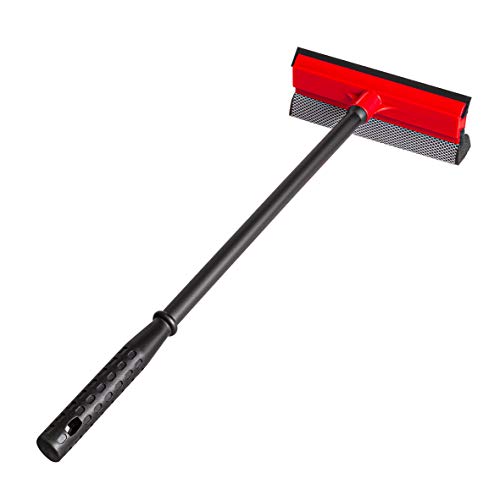
- Windshield squeegee for car glass with soft rubber blade
- Glass polishing kit for car windshields
- Windshield wiper blade maintenance kit with cleaning tools


Before You Start
Prepare a shaded, cool area to avoid rapid drying which can cause streaks. Use a clean cloth and avoid rough towels that can scratch the glass. Test cleaners on a small area first to ensure compatibility with your windshield coating. Allow adequate ventilation if using chemical cleaners. Time estimate: 15–30 minutes for a standard cleaning, longer for detailing.
Caution: Do not use blade savers or abrasive pads that can scratch the glass. Keep cleaners away from eyes and avoid direct sunlight during the cleaning process.
Step-By-Step: How To Keep Windshield Clean And Clear
- Remove loose debris from the windshield surface with a soft brush or cloth.
- Apply a small amount of streak-free glass cleaner to the microfiber cloth, not directly on the glass.
- Wipe in a steady, overlapping motion from top to bottom to lift dirt and oils.
- Use the windshield squeegee with a soft rubber blade to smooth out any remaining streaks in horizontal or vertical passes.
- Wipe the blade and edges clean after each pass to prevent re-deposits.
- For stubborn spots, apply a touch more cleaner and re-wipe, focusing on the lower portion of the windshield where grime tends to collect.
- Inspect under good lighting, then use a dry microfiber cloth to buff the glass to a streak-free finish.
- If you notice micro-scratches or minor hazing, follow up with a glass polishing kit according to its instructions.
- Clean the wiper blades separately with the wiper blade maintenance kit tools to remove built-up grime.
- Re-test visibility in natural light and during a quick drive to confirm there are no streaks or residue.
- Repeat cleaning as part of a regular maintenance routine, especially after extreme weather or heavy pollen seasons.
Troubleshooting
| Symptom | Likely Cause | Fix | Prevention |
|---|---|---|---|
| Streaks after cleaning | Residue left from cleaner or cloth lint | Switch to a fresh microfiber cloth and use light, even pressure | Use a dedicated streak-free cleaner and lint-free cloths |
| Cloudy glass post-clean | Hard water minerals or soap residue | Rinse with clean water, re-clean, and dry with a lint-free cloth | Utilize distilled water for rinsing when possible |
| Persistent hazing near edges | Edge buildup from improper drying | Focus strokes toward the center and dry edges separately | Dry thoroughly after cleaning sessions |
| Wiper streaks during rain | Dull or dirty wiper blades | Replace blades or clean and maintain with the kit | Check blades every season and maintain with cleaning tools |
| Scratches appearing after polishing | Buffering too aggressively | Follow kit instructions with light, even passes | Test on a small area first |
Common Mistakes
- Cleaning in direct sunlight, which causes rapid drying and streaks
- Using household cleaners not formulated for automotive glass
- Over-wetting the cloth, leaving excess moisture on the glass
- Ignoring edge and corner areas where grime accumulates
- Neglecting wiper blade maintenance leading to smeared rain lines
Tips For Best Results
- Always use a dedicated microfiber cloth designed for glass to avoid lint and scratches.
- Work from top to bottom with light, overlapping strokes for even cleaning.
- Keep a small bottle of glass cleaner in the car for quick touch-ups after pollen or dust exposure.
- In winter, warm the windshield slightly before cleaning to help residues lift more easily.
- Regular maintenance with the wiper blade kit helps prevent streaks during rain and snow.
Call A Professional
Contact a professional if you notice persistent hazing or pitting in the windshield that cleaning cannot resolve. Seek help if there are visible cracks or chips that could compromise structural integrity or visibility. Do not attempt extensive repairs yourself.
FAQ
How often should I clean my windshield?
For most drivers, a regular wipe-down once a week and deeper cleaning monthly is effective, with additional cleaning after pollen, winter road salt, or heavy rain.
Can I use regular household glass cleaners on a car windshield?
It’s best to use a streak-free car windshield cleaner designed for automotive glass to avoid residues and coatings that may harm visibility.
What should I do about stubborn spots near the edges?
Apply cleaner, then use a soft squeegee or a small microfiber brush to reach corners without scratching.
Is polishing necessary after cleaning?
Polishing is optional but helpful for hazy glass or minor scratches, following the kit instructions carefully.
When should I replace windshield wiper blades?
Replace blades at least every 6–12 months or sooner if streaking, skipping, or squeaking occurs.
Can cleaning affect the windshield’s coatings?
Yes, always use products compatible with automotive glass coatings and avoid harsh solvents that can degrade coatings.
What should I do after a major cleaning session?
Inspect under bright light, dry thoroughly, and test visibility in daylight and at night to ensure a streak-free finish.
Buying Guide
Choosing the right products for windshield care involves considering how often you clean, climate, and driving conditions. The following factors help shoppers compare options and select tools that deliver clear results:
- Size and compatibility: Look for cleaners and squeegees sized for standard car windshields and easy maneuverability around curves.
- Noise level: Squeegees with soft rubber blades minimize audible scraping and prevent micro-scratches.
- Energy efficiency: Not applicable to non-electrical tools; focus on durable, reusable items that reduce waste.
- Controls and ergonomics: Ergonomic handles on squeegees and comfortable grips on towels improve technique and reduce fatigue.
- Placement and storage: Keep cleaners, cloths, and blades in a readily accessible rear area or glove compartment for quick touch-ups.
- Packaged sets vs. individual items: A kit containing a glass cleaner, microfiber cloth, squeegee, polishing compound, and maintenance tools offers value for comprehensive care.
- Durability and compatibility: Choose tools designed for automotive use and compatible with your windshield’s coatings and wiper system.
Consider a multi-piece kit that combines a streak-free cleanser, microfiber cloths, and a windshield squeegee, plus a glass polishing option for occasional deep cleaning. If you drive in harsh climates with heavy rain or pollen, prioritize maintenance items that simplify quick cleanups and long-term protection.