Maintaining a fresh-smelling room involves a combination of odor sources management, proactive scenting, and ongoing air refreshment. This guide combines practical steps with product options useful for American homes, covering both neutralizing odors and adding a pleasant aroma without overpowering the space.
Readers will find a concise plan, a quick-start overview, a Tools and Materials list tailored to common products, and troubleshooting tips to handle stubborn smells effectively.
Quick Answer
To keep a room smelling clean, pair an odor-absorbing setup with light fragrance release. Use an air purifier with an activated carbon filter to remove odors, plus a diffuser or plug-in air freshener for a subtle scent. For quick bursts, an odor eliminator spray can tackle strong smells, while activated charcoal bags absorb odors between deeper refreshes.
What You’ll Need
The following tools and products are commonly effective for odor control in most rooms. The list prioritizes items that address both odor removal and gentle fragrance.
- air purifier with activated carbon filter for room odor removal
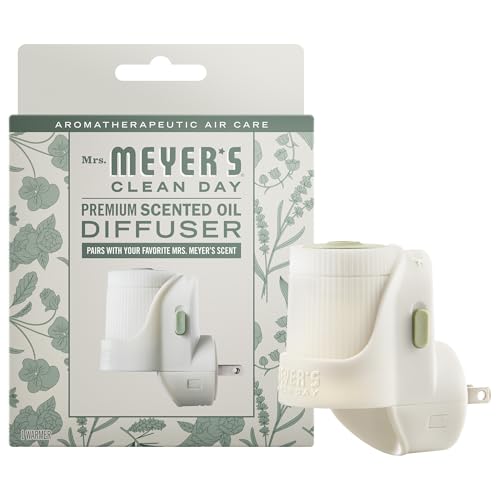
- essential oil diffuser with timer for room fragrance
- odor eliminator spray for indoor room deodorization
- activated charcoal odor absorber bag for home rooms
- plug-in air freshener with adjustable fragrance intensity


Before You Start
Before beginning, identify odor sources such as cooking, moisture, pets, or mold. Ensure adequate ventilation and close off rooms that don’t need treatment. Time estimates vary: simple freshening can take 15–30 minutes, while comprehensive odor control may require several hours over a few days. Safety cautions include avoiding direct inhalation of concentrated essential oils, testing sprays on inconspicuous areas, and keeping electrical devices away from water or damp surfaces.
Step-By-Step: How To Keep A Room Smelling Clean
- Assess the room: note persistent odors, moisture issues, or clutter that could harbor smells.
- Ventilate: open windows or run a fan to exchange stale air with fresh air.
- Deploy odor absorbers: place activated charcoal odor absorber bags in corners and near odor sources.
- Activate air purification: run an air purifier with an activated carbon filter to capture volatile compounds.
- Neutralize surfaces: lightly wipe hard surfaces with a damp cloth to remove odor-causing residues; avoid soaking fabrics.
- Diffuse a gentle scent: set an essential oil diffuser with a timer to release fragrance in intervals so it doesn’t overwhelm the space.
- Target odors quickly: when odors spike, use an odor eliminator spray in the air and on fabrics from a distance.
- Adjust fragrance intensity: use a plug-in air freshener with adjustable intensity to tailor scent levels over time.
- Schedule maintenance: replace carbon filters and refill diffusers on a regular cycle according to the manufacturer’s guidance.
- Contain pets and moisture sources: address pet odors with regular cleaning and ensure humidity stays balanced to prevent mustiness.
- Evaluate after a day: reassess odor levels and adjust devices or placement as needed for optimal results.
- Maintain ongoing freshness: create a rotating routine that combines odor absorption and light fragrance so the room remains inviting.
Troubleshooting
| Symptom | Likely Cause | Fix | Prevention |
|---|---|---|---|
| Persistent musty smell | Moisture buildup or mold | Check moisture, treat mold, increase ventilation | Use a dehumidifier; address leaks promptly |
| Overpowering fragrance | Fragrance used too strongly | Reduce diffuser timer, lower intensity, ventilate briefly | Start with lower settings and increase gradually |
| Odor returns after cleaning | Deep-seated odor in fabrics | Use fabric-safe odor eliminator and consider routine fabric airing | Regular fabric cleaning and airing |
| Air purifier signals heavy odors but room smells stale | Dirty carbon filter or blocked intake | Replace filter, vacuum around unit, ensure unobstructed air intake | Schedule filter changes according to usage |
Common Mistakes
- Relying on a single odor source control method without addressing humidity and ventilation
- Overloading a diffuser with fragrance, causing headaches or irritation
- Neglecting filter changes in air purifiers, reducing odor removal effectiveness
- Using sprays on delicate fabrics without testing first
Tips For Best Results
- Coordinate odor absorbers with fragrance devices to avoid conflicting scents.
- Place air purifiers and charcoal bags where air flows naturally, such as near doorways or away from walls.
- Choose fragrance options with neutral, universally appealing notes like citrus or light florals.
- Regularly clean or replace components that accumulate residue to maintain effectiveness.
- Consider room size when selecting devices—larger rooms may require higher-capacity purifiers and more diffuse fragrance coverage.
Call A Professional
Seek professional help if odors persist despite multiple interventions, or if there are signs of mold growth, persistent dampness, or structural moisture intrusion. If allergy-like symptoms or headaches worsen when devices are in use, consult an indoor air quality specialist.
FAQ
What is the fastest way to remove odors from a room?
Ventilate the space, use an air purifier with activated carbon, and apply an odor eliminator spray as a quick boost.
Can essential oils damage furniture or fabrics?
Yes, some oils can stain or affect finishes. Dilute properly and test on inconspicuous areas before wider use.
How often should I replace carbon filters?
Follow the manufacturer’s guidance, typically every 6–12 months depending on use and odor levels.
Will activated charcoal bags work without a power source?
Yes; these bags absorb odors passively. They are most effective when placed in odor hotspots and kept dry.
Is a diffuser necessary if I have an air purifier?
Not strictly necessary, but a diffuser adds a pleasant scent, while the purifier actively removes odors. Use both for balanced results.
Should I use essential oils around pets?
Some pets are sensitive to strong scents; use non-irritating blends and ensure good ventilation.
How do I choose the right device for my room size?
Match the device’s CADR or recommended room size to your space, and consider a model with adjustable settings for flexibility.
Buying Guide
Choosing the right odor-control setup depends on room size, typical odor sources, and preferred fragrance level. Consider these factors to find a balanced solution:
- Size and coverage: Select an air purifier and fragrance device rated for room size; larger rooms need higher-capacity units.
- Noise level: Look for quiet operation, especially in bedrooms or study spaces, and check night mode if available.
- Energy efficiency: Energy-star-rated models save power with ongoing use.
- Controls: Favor easy-to-use timers and intensity adjustments for consistent performance.
- Placement: Position devices for optimal airflow and scent diffusion while avoiding direct drafts on occupants.
- Maintenance: Check filter replacement intervals and fragrance refills, and factor in ongoing costs.
- Flexibility: A kit that supports both odor removal and scenting offers more versatility as needs change.
- Aesthetic: Choose devices that blend with décor to keep the room feeling clean and inviting.
With the right combination of odor absorbers, purifiers, and scenting options, a room can stay smelling clean without becoming overpowering. A steady routine that combines ventilation, targeted odor control, and gentle fragrance provides the most reliable results for American homes.