Maintaining a clean betta tank supports healthier fish, brighter colors, and easier maintenance. This guide outlines practical steps, approved tools, and common fixes to keep a betta’s environment clear, safe, and thriving.
Quick Answer
Regular partial water changes (about 20-25% weekly) combined with a gentle siphon clean, a reliable filter sponge, and routine testing will usually keep a betta tank clean. Avoid overfeeding, monitor ammonia and nitrite levels, and address algae buildup early with proper scrubbing and water conditioner use.
What You’ll Need
- Betta tank gravel siphon vacuum
- Aquarium algae scraper curved blade for betta
- Betta fish tank filter replacement sponge
- API freshwater master test kit
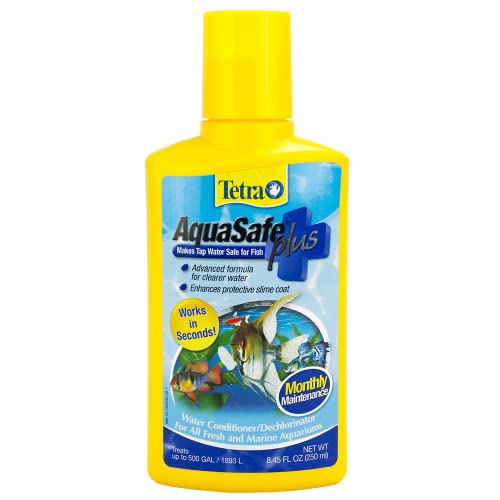
- Aquarium water conditioner dechlorinator bottle


Before You Start
Prepare by testing water quality and inspecting equipment. Ensure the tank is stable in temperature, and remove decorations only if you plan to clean behind them. Have an empty bucket or a dedicated cleaning container ready for water changes to prevent mixing with tap water that may contain chlorine or chloramines. Do not expose bettas to sudden temperature shifts or fresh dechlorinators in concentrated doses. Plan for about 30–45 minutes per cleaning session for a typical 5–10 gallon setup.
Step-By-Step: How To Keep A Betta Tank Clean
- Turn off and unplug any nonessential equipment to prevent spills and injury to the fish during cleaning.
- Use the betta tank gravel siphon vacuum to gently remove debris from the substrate. Move the siphon slowly to pull out waste without disturbing the fish.
- Vacuum established detritus around plants and decorations, pausing if the betta shows signs of stress to avoid spooking the fish.
- Reinstall any décor if you moved it, and recheck heater and filter after the cleaning pass.
- Fill a clean bucket with dechlorinated water using an aquarium water conditioner dechlorinator bottle. Match the temperature to the tank before adding.
- Perform a partial water change by adding the conditioned water back into the tank slowly to prevent disturbing the biofilm more than necessary.
- Clean the glass with the aquarium algae scraper curved blade to remove algae on the walls. Use gentle strokes to avoid disturbing the betta.
- Check the filter sponge replacement as needed. If the sponge looks clogged or worn, replace it with a compatible replacement sponge to maintain filtration efficiency.
- Test water using the API freshwater master test kit for ammonia, nitrite, nitrate, and pH to ensure levels stay within safe ranges after the change.
- Reintroduce the betta and adjust lighting to a regular day-night cycle. Observe for any signs of stress or unusual behavior over the next 24–48 hours.
- Schedule routine maintenance: weekly quick checks, monthly deep clean, and quarterly equipment inspection for longevity.
Troubleshooting
| Symptom | Likely Cause | Fix | Prevention |
|---|---|---|---|
| Cloudy water | Overfeeding or bacteria bloom | Reduce feeding, run a gentle filter, perform a partial water change | Feed small amounts, avoid leftover food |
| Unpleasant odor | Organic waste buildup | Increase water changes, clean substrate with siphon | Clean weekly, do not overfeed |
| Algae growth | Excess light or nutrients | Limit light exposure, scrub walls, adjust feeding | Balanced lighting schedule |
| Filter gravel clog | Debris buildup | Replace filter sponge and rinse in tank water | Regular filter maintenance |
| Fluctuating pH | Water source variability | Use API test kit consistently, adjust with conditioner if needed | Stable water source |
Common Mistakes
- Overfeeding leading to excess waste and ammonia spikes
- Using tap water directly without proper dechlorination
- Replacing all filter media at once, which disrupts beneficial bacteria
- Neglecting regular testing and relying on appearances alone
Tips For Best Results
- Set a predictable maintenance schedule to ensure consistent cleanliness without stressing the betta.
- Keep a dedicated cleaning container separate from tap water to avoid contaminant transfer.
- Gradually acclimate any changes in water parameters to minimize stress for the fish.
- Use a soft-bristled sponge or dedicated filter media to avoid scratching or harming betta fins.
Call A Professional
Seek professional help if the tank shows persistent symptoms such as prolonged cloudy water despite regular cleaning, sudden lethargy or loss of appetite in the betta, erratic swimming, or persistent ammonia/nitrite readings outside the safe range. If the setup is unusually large or complex, or if there are ongoing filtration issues, a fish-care specialist can provide tailored guidance and on-site assistance.
FAQ
How often should I test water in a betta tank?
Test weekly or after any major maintenance to ensure ammonia, nitrite, nitrate, and pH stay within safe ranges.
Can I clean a betta tank with household cleaners?
No. Use only aquarium-safe cleaners and dechlorinated water. Never mix household chemicals with tank water.
Is a filter necessary for a betta tank?
A filter helps maintain water quality and oxygen exchange, but choose a gentle flow suitable for bettas to avoid stress.
What should I do if the betta shows signs of stress during cleaning?
Pause, return the fish to a calm state in a secured container, and resume cleaning slowly after it calms down.
How long should a water change take?
A typical partial water change of 20-25% can be completed in 10-15 minutes with a siphon setup.
How can I prevent algae blooms?
Regulate lighting, avoid overfeeding, and clean algae from walls and decorations promptly.
What is the best way to maintain a clear tank between cleanings?
Keep up with routine water changes, test water regularly, and ensure the filter is functioning properly.
Buying Guide
Choosing the right equipment for a betta tank involves assessing size, filtration, and maintenance ease. Consider tank size for proper swimming space and stable water parameters. Noise and power usage matter for a peaceful room setup, especially in bedrooms or offices. Energy-efficient filters with adjustable flow suit betta tanks, preventing excessive current. Look for reliable brands offering spare parts like replacement sponge and curved blade algae scrapers. Controls should be simple to operate, with easily accessible dechlorinators and water conditioners. Placement matters: keep the tank away from direct sunlight to prevent algae blooms and temperature swings, and ensure a stable surface to avoid vibrations that can stress the betta. When comparing options, weigh the total maintenance cost, accessibility of replacement parts, and compatibility with your tank size to maintain a calm, clean, and healthy home for your betta. If in doubt, a basic setup with a gentle filter, a siphon, a soft algae scraper, and a trusted water conditioner is a solid starting point.