Maintaining a clean balcony extends the life of outdoor furniture, preserves the look of railings, and creates a welcoming outdoor space. This guide offers practical, fail-safe methods to keep balcony surfaces, rails, and furniture spotless with common tools and a simple routine.
Quick Answer
Establish a simple cleaning routine—remove debris weekly, sweep and wipe surfaces monthly, and deep-clean every few months. Use a dedicated cleaning kit with an extendable reach to minimize climbing and keep the area safe and tidy.
What You’ll Need
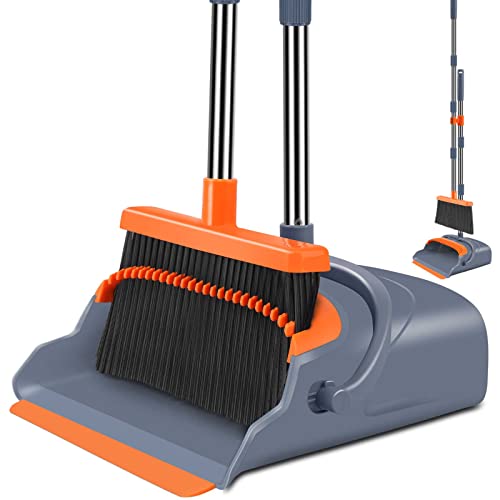
- Extendable balcony cleaning broom with dustpan
- Telescoping outdoor mop pole balcony cleaner for hard-to-reach areas
- Outdoor squeegee with adjustable handle balcony cleaning for glass doors or tiles
- Microfiber outdoor cleaning cloth balcony furniture for dust and grime
- Slim deck scrub brush for balcony rails to scrub railings and grout lines


Before You Start
Assess the balcony layout: consider a shaded versus sunny area, tile versus wood decking, and the presence of planters, furniture, or cushions. Safety notes: wear gloves, use a stable ladder or extension pole, and avoid harsh chemical cleaners on sensitive materials. Time estimates: quick sweep and wipe may take 15–25 minutes, while a full deep-clean can take 45–90 minutes depending on balcony size and grime buildup. Never mix bleach with ammonia or acidic cleaners on metal railings, and always test cleaners on a small inconspicuous spot first.
Step-By-Step: How To Keep A Balcony Clean
- <bClear the area: remove all furniture, planters, and rugs. This ensures you can reach every surface without tripping hazards.
- <bDust and debris removal: use the extendable balcony cleaning broom with dustpan to sweep up leaves, dirt, and cobwebs from floors and corners.
- <bWipe down surfaces: dampen a microfiber outdoor cleaning cloth and wipe tiles, deck boards, and railings to remove surface grime.
- <bScrub stubborn spots: apply a gentle cleaner to slim deck scrub brush for balcony rails and scrub away grime on rail joints and joints between tiles.
- <bRinse and dry: use the outdoor squeegee with adjustable handle balcony cleaning to push dirty water toward a drain or edge, then let surfaces air-dry or wipe with a dry microfiber cloth.
- <bClean furniture and cushions: wipe down outdoor furniture with microfiber cloth, paying attention to armrests and legs; air out or wipe cushions as needed.
- <bControl moisture and mildew: if mold appears on shaded surfaces, use an appropriate cleaner following label directions and rinse thoroughly.
- <bDeck and floor edges: clean along balcony edges, skirting, and under furniture with the extendable kit to avoid missed areas.
- <bVentilate and dry: keep doors open on sunny days to promote airflow and speed up drying after cleaning.
- <bMaintenance rhythm: establish a weekly quick-clean routine and a monthly deep-clean session to sustain cleanliness.
- <bSeasonal checks: inspect drainage, sealant, and railings for wear; address issues before they worsen.
- <bStorage and organization: return items neatly; store cleaning tools in a dry, accessible place to encourage ongoing upkeep.
Troubleshooting
| Symptom | Likely Cause | Fix | Prevention |
|---|---|---|---|
| Persistent streaks on tiles | Improper rinsing or dirty cloth | Rinse with clean water and use a fresh microfiber cloth | Maintain clean rags; rinse regularly during cleaning |
| Railings feel sticky after cleaning | Residue from cleaner | Rinse thoroughly and dry with microfiber | Use diluted cleaners suitable for metal finishes |
| Floor water pools near edge | Poor drainage or clogged weep holes | Clear drainage path and ensure water flows away | Inspect monthly, clear debris promptly |
| Mold in shaded corners | Moisture retention and poor airflow | Clean with mold-safe cleaner and improve ventilation | Sun exposure and airflow optimization where possible |
Common Mistakes
- Over-wetting wood decks or furniture—leads to swelling and damage.
- Using abrasive brushes on delicate surfaces—causes scratches.
- Neglecting drainage paths—water stagnation invites mold and staining.
- Mixing incompatible cleaners—can corrode metal or degrade finishes.
Tips For Best Results
- Use the telescoping tools to reach corners and underside of railings without climbing onto furniture.
- Plan a quick weekly sweep that’s followed by a monthly deep clean for best outcomes.
- Choose microfiber cloths for lint-free, streak-free results on glass and tile.
- Test cleaners on a small area first to protect finishes.
- Label and store cleaning tools together for easy access and ongoing motivation.
Call A Professional
Stop signs to call a pro include persistent rust, damaged railings, cracked tiles, warped wood, or any dangerous structural concerns. If the balcony structure feels unstable, if water drainage is severely blocked, or if you notice significant mold growth that cannot be safely removed, contact a licensed professional for assessment and repair.
FAQ
What is the easiest way to keep a balcony clean?
A consistent routine combining quick daily debris removal with a monthly wipe-down and periodic deep clean yields the best results.
Which tools are essential for balcony cleaning?
Extendable cleaning tools, a microfiber cloth, and a gentle cleaning solution tailored to your balcony materials are essential.
How do I prevent mold on a balcony?
Improve airflow, promptly dry surfaces, and use a mold-inhibiting cleaner on shaded areas.
Can I use household cleaners on balcony surfaces?
Yes, but ensure cleaners are compatible with the surface (tile, wood, metal) and follow label directions to avoid damage.
How often should I clean balcony furniture?
Wipe down furniture weekly and launder cushions seasonally or as needed, depending on exposure to weather.
Is there a risk with cleaning rails?
Use non-abrasive brushes and mild cleaners to prevent scratching metal finishes.
What maintenance helps extend balcony life?
Regular debris removal, prompt stain treatment, and checking drainage and seals quarterly.
Buying Guide
When selecting tools for balcony cleaning, consider size, weight, and reach. Look for durable, weather-resistant materials that can withstand outdoor use. Noise level isn’t a major concern indoors, but choose tools with durable handles that feel comfortable for extended use. Energy efficiency is less relevant here, but manual extendable tools provide reliable, low-maintenance performance. Controls should be simple, with adjustable handles for different users and surfaces. For placement, consider a compact storage solution near the door or under a bench to keep tools accessible. To compare options, assess extendability range, material compatibility, and grip comfort across the kit components mentioned above.