Maintaining your dog’s oral health is essential for overall well-being. Regular brushing, supplementary tools, and routine dental care can prevent bad breath, gum disease, and tooth loss. This guide outlines practical steps, safe practices, and product options suitable for most dogs and owners in the United States.
With a proactive routine, owners can improve their dog’s comfort and health while reducing veterinary visits related to dental issues. The following sections provide actionable guidance, tools, and troubleshooting tips to help keep a dog’s teeth clean and healthy over time.
Quick Answer
Best quick approach: start with a gentle introduction to brushing, use a dog-friendly toothbrush and toothpaste, and pair brushing with a dental rinse or spray on non-brushing days. For stubborn dogs, consider a ultrasonic dog teeth cleaner for periodic maintenance, and keep dental chews handy as a supplemental aid.
What You’ll Need
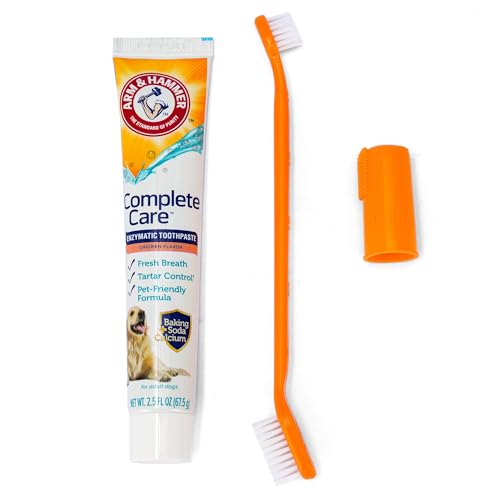
- Dog toothbrush kit for dogs
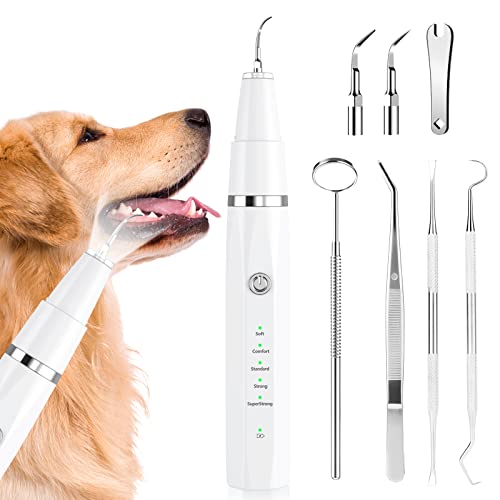
- Ultrasonic dog teeth cleaner
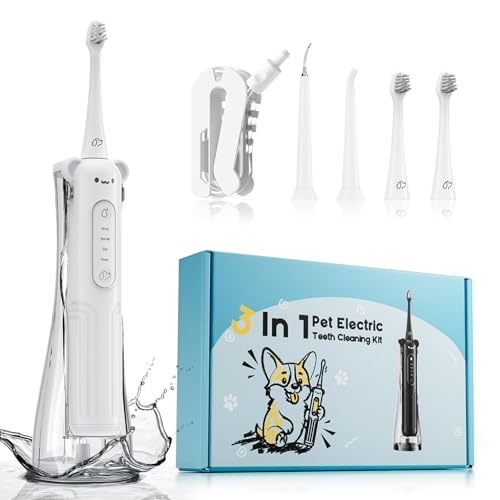
- Electric dog toothbrush for pets
- Dog dental water additive spray
- Dog dental cleaning mouth wipe kit
Before You Start
Preparation sets the stage for successful dental care. Choose a calm time, introduce tools gradually, and ensure your dog is comfortable with handling around the mouth. Start with short sessions and progressively increase duration as your dog accepts the routine. Avoid forcing brushing or using hard bristles that can injure gums. If you notice persistent gum inflammation, loose teeth, or difficulty eating, consult a veterinarian promptly. Expect an initial adjustment period of 1–2 weeks for many dogs, with longer adaptation for anxious or senior pets.
Step-By-Step: How To Keep A Dog’s Teeth Clean
- Choose the right tool: select a dog-friendly toothbrush kit for dogs or an electric dog toothbrush for pets to match your dog’s size and temperament.
- Use dog toothpaste: never use human toothpaste. Apply a pea-sized amount of a canine-safe toothpaste to the brush and demonstrate the motion along the gumline.
- Introduce gradually: allow your dog to sniff the brush and toothpaste, then touch the brush to their lips and teeth without brushing to build familiarity.
- Establish a routine: set a consistent daily or every-other-day schedule to brush for 2–3 minutes total, covering front and back teeth.
- Brush technique: hold the brush at a 45-degree angle to the gumline and make gentle circular motions, focusing on the outer surfaces that accumulate plaque.
- Alternate options: on non-brushing days, apply a dog dental water additive spray or use dog dental cleaning mouth wipe kit to reduce plaque buildup.
- Reward system: praise and a small treat after brushing to reinforce positive associations and encourage continued effort.
- Safety checks: monitor for mouth sensitivity, bleeding, or reluctance to be brushed; pause if pain or distress occurs and consult a vet if symptoms persist.
- Integrate professional care: schedule routine veterinary dental examinations and cleanings as recommended by your veterinarian.
- Maintenance rounds: rotate cleaning tools (brushes and wipes) to prevent boredom and maintain engagement.
- Tech-assisted care: for added effectiveness, incorporate a ultrasonic dog teeth cleaner as part of a regular maintenance plan, following device instructions and vet guidance.
- Daily habits: pair brushing with other dental-friendly habits, like a balanced diet and approved dental chews, to support ongoing oral health.
Troubleshooting
| Symptom | Likely Cause | Fix | Prevention |
|---|---|---|---|
| Dog resists brushing | Fear or unfamiliarity | Go slow, use rewards, and start with wipe-based products | Short, positive sessions; pair with play |
| Bleeding gums | Inflamed or sensitive gums | Consult vet; avoid aggressive brushing | Gentle technique; proper brush size |
| Persistent bad breath | Plaque buildup or dental disease | Increase brushing frequency; add dental rinse | Regular professional cleanings |
| Tooth looseness or cracking | Advanced dental disease | Immediate veterinary evaluation | Timely dental checkups |
| Tool discomfort or malfunctions | Improper use or device issues | Review instructions; replace worn heads | Follow manufacturer care guidelines |
Common Mistakes
- Using human toothpaste or brushing too hard
- Rushing through sessions or skipping days
- Relying solely on chews without brushing
- Forgetting to pair brushing with veterinary checkups
Tips For Best Results
Consistency is key. Establish a routine that fits into daily life, and gradually lengthen sessions as your dog grows accustomed to the process. Pair brushing with positive reinforcement and ensure you use tools designed for canine mouths. For some dogs, combining mechanical cleaning devices, like an ultrasonic dog teeth cleaner, with brushing can improve plaque control. Always follow product instructions and consult a veterinarian for tailored guidance based on age, breed, and health status.
Call A Professional
Seek professional help if there are signs of dental disease, mouth pain, excessive drooling, or difficulty eating. Stop attempting aggressive cleaning and schedule a veterinary dental evaluation if symptoms persist beyond a few days. A professional cleaning under anesthesia or sedation may be necessary for thorough plaque removal in some cases.
FAQ
How often should I brush my dog’s teeth?
Most dogs benefit from brushing at least 3–5 days per week, with daily brushing ideal for plaque prevention.
Can I use human toothpaste on my dog?
No. Dog toothpaste is formulated to be safe if swallowed and to appeal to canine taste preferences.
Is an ultrasonic dog teeth cleaner safe for home use?
When used as directed and after veterinary guidance, it can be a safe supplementary tool for some dogs.
What are signs of dental disease to watch for?
Bad breath, red or swollen gums, loose teeth, bleeding, and difficulty eating or chewing on one side.
Should I use dental water additive sprays?
Yes, as a supplementary aid to reduce plaque accumulation when used alongside brushing and veterinary guidance.
Buying Guide
Choosing the right dental care setup for a dog involves several factors. Consider the dog’s size, temperament, and existing dental health when selecting tools and products. Size and compatibility matter for brushes and electric devices—the right size ensures effective contact with the gumline without causing discomfort. Look for quiet operation and simple controls if the dog is anxious or new to routine dental care. Energy efficiency is relevant for electric devices with rechargeable batteries, but reliability and safety features should take priority.
Noise level, ease of use, and maintenance are practical concerns. A balanced approach often combines a dedicated dog toothbrush kit for dogs, an ultrasonic dog teeth cleaner for periodic use, and a dog dental water additive spray or mouth wipes for non-brushing days. Evaluate durability, replacement part availability, and warranty terms. Consider placement—store brushes and sprays in a designated cabinet to keep them clean and accessible.
When comparing products, review head size and bristle softness for comfort and effectiveness, battery life for cordless options, and compatibility with your dog’s bite pattern. Some owners prefer a single comprehensive kit, while others opt for a combination of tools to fit their dog’s preferences. If unsure, consult a veterinarian or pet dental specialist for recommendations tailored to your dog’s needs.