White algae in pools can indicate mineral buildup, poor sanitation, or insufficient circulation. This guide explains practical, step-by-step methods to remove white algae, restore clear water, and keep it from returning. Readers will learn how to identify white algae, choose effective products, and follow safe maintenance practices for American backyard pools.
By combining chemical treatment, mechanical cleaning, and proper testing, pool owners can tackle white algae efficiently. The approach emphasizes safety, correct dose timing, and consistency in routine maintenance to maintain a sparkling pool year-round.
Quick Answer
Identify white algae as a chalky, powdery film on pool surfaces that doesn’t brush away easily. Shock the pool with a suitable oxidizer, then brush thoroughly and vacuum debris. Retest water and adjust balance to maintain sanitizer effectiveness. Regular brushing, cleaning, and routine testing help prevent future outbreaks.
What You’ll Need
- Stainless steel pool algae brush
- Algaecide for white algae in swimming pool
- Pool shock granules calcium hypochlorite for algae
- Automatic pool vacuum for algae debris
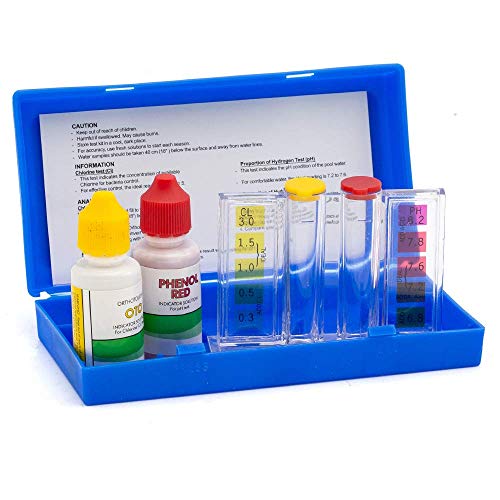
- Pool test kit chlorine pH and sanitizer balance


Before You Start
Before tackling white algae, ensure you have protective gear such as gloves and eye protection. Clear the pool area of toys and debris that could hinder cleaning. Inspect the pool equipment for proper operation, including the pump and filter. Time estimates vary, but expect several hours to complete the cleaning and treatment process, plus additional time for the water to recirculate and stabilize. Never mix chemical products directly. Follow product labels for safe handling and dosing.
Step-By-Step: How To Remove White Algae
- Test the pool water with a pool test kit chlorine pH and sanitizer balance to establish baseline levels.
- Brush all surfaces with a stainless steel pool algae brush to loosen the chalky film on walls and floor.
- Shock the pool using pool shock granules calcium hypochlorite for algae at the recommended dosage for your pool size and current sanitizer level.
- Run the pump continuously for 24 hours to circulate treated water and move dead algae toward the filter.
- Vacuum the pool using an automatic pool vacuum for algae debris to remove sediment and algae fragments.
- Backwash or clean the filter as needed to prevent re-circulation of algae cells.
- Re-test the water after circulation and adjust chlorine, pH, and total alkalinity as indicated by the pool test kit.
- Apply a follow-up dose of algaecide if recommended by the product instructions to prevent regrowth.
- Resume regular maintenance: brushing, skimming, and weekly testing to keep white algae at bay.
- Monitor for signs of persistent algae and repeat steps as necessary, ensuring sanitizer levels remain within target ranges.
- Consider using a preset maintenance plan combining circulation, cleaning, and chemical balance to minimize future outbreaks.
- Plan periodic deep cleanings at the start and end of swim seasons to reduce buildup and maintain clarity.
Troubleshooting
| Symptom | Likely Cause | Fix | Prevention |
|---|---|---|---|
| White film returns after treatment | Insufficient sanitizer or poor circulation | Re-test and adjust sanitizer; run pump longer; brush surfaces again | Maintain proper circulation and consistent chemical balance |
| Cloudy water after shock | Debris still in water or filter overload | Vacuum debris; clean or backwash filter; re-test water | Regular brushing and cleaner filtration schedule |
| Algae persists despite algaecide | Heavy growth or resistant algae | Increase shock levels per label; consider alternate algaecide | Improve filtration and routine testing |
| Strong chlorine odor | Free chlorine too high locally, combined chlorine rising | Shower and allow pool to off-gas; retest and adjust | Maintain balanced water chemistry |
Common Mistakes
- Skipping a water test or relying on guesswork for chemical dosing
- Over-brushing or aggressive brushing that damages pool surfaces
- Using incompatible chemicals together or mixing products incorrectly
- Ignoring filter maintenance, leading to re-circulation of algae
- Postponing routine maintenance once algae appears
Tips For Best Results
- Maintain a stable sanitizer level and proper pH to maximize chlorine effectiveness against white algae.
- Schedule regular brushing, especially on vinyl and plaster surfaces where algae tend to cling.
- Use a high-quality algaecide as a preventive step during warm months.
- Keep a consistent filtration routine and backwash schedule to prevent debris buildup.
- Document test results and chemical adjustments to identify trends over time.
Call A Professional
Seek professional help if white algae reappears after repeated treatments, if water testing shows persistent imbalances, or if the pool has structural issues that hinder cleaning. Signs to call a pro include ongoing cloudy water, strong odors, or suspicious staining that does not respond to standard treatment.
FAQ
What is white algae in a pool?
White algae appears as a chalky, powdery film on pool surfaces that can be resistant to brushing and quick to spread if not addressed.
Can I use household bleach to treat white algae?
Household bleach is not recommended for pool treatment due to concentration variations and added impurities; use pool-approved shock and algaecides.
How long does it take to clear white algae?
Most pools begin clearing within 24–48 hours of thorough brushing, shocking, and proper filtration, but full clarity may take several days depending on size and conditions.
Is white algae dangerous for swimmers?
White algae can indicate poor water quality; ensure sanitizer and pH are in range to minimize irritation and preserve pool safety.
Should I run my pump continuously after treatment?
Yes, running the pump continuously for a day or more helps circulate chlorine and debris, aiding faster cleanup.
How often should I test pool water?
Test at least twice weekly during treatment and maintain routine weekly checks during normal operation.
Do I need to drain and refill the pool?
Drainage is rarely required for white algae; proper chemical balance and cleaning typically suffice unless water quality is severely degraded.
Buying Guide
When selecting products and equipment to prevent and treat white algae, consider size, noise, energy use, and placement. A robust plan combines mechanical cleaning tools with reliable chemical treatments and smart testing routines. Below are factors to compare to help choose the right items for an American backyard pool.
Algae Control Tools
Stainless steel pool algae brush helps dislodge stubborn films from tile and plaster surfaces. Choose a head size that reaches corners and hard-to-reach areas without damaging finishes. Pair with a dependable automatic pool vacuum to remove loosened debris efficiently.
Sanitizers And Shock
Pool shock granules calcium hypochlorite effectively raises chlorine levels to kill algae. Ensure the product is compatible with your pool type and existing sanitizer system. A compatible algaecide for white algae in swimming pool adds a preventive layer against regrowth.
Water Testing
A reliable pool test kit that covers chlorine, pH, alkalinity, and sanitizer balance helps maintain safe, clear water. Look for kits with easy-read color indicators and quick results to streamline routine maintenance.
Placement And Setup Considerations
Position testing kits, chemical storage, and cleaning tools in a dry, ventilated area away from direct sunlight. Consider convenient access to the pool area and storage for the automatic vacuum and brushing tools to streamline maintenance.
Energy And Maintenance
Choose energy-efficient pumps and filters where possible to reduce running costs. A well-maintained filtration system reduces debris buildup and supports faster algae clearance.
Ease Of Use And Support
Product manuals should offer clear dosing instructions and safety guidance. Look for brands with robust customer support and abundant how-to resources to simplify troubleshooting.