Drain bugs can be an unpleasant annoyance in kitchens and bathrooms, especially when they appear around drains and plumbing fixtures. This guide provides practical, step-by-step methods to reduce and prevent these nuisances using common tools and safe practices. The focus is on improving drain hygiene, addressing clogs, and preventing recurrence.
Quick Answer
Identify the source—often a combination of organic buildup and moisture attracts drain gnats and small flies. Clean the trap and pipes, then use targeted tools to remove clogs. Prevent future infestations with routine maintenance and proper disposal practices.
What You’ll Need
- Plumber’s snake drain auger 25 ft for sinks
- Toilet auger 3 ft professional grade
- Manual drain cleaning plunger with flange
- Drain cleaning brush set flexible steel coil
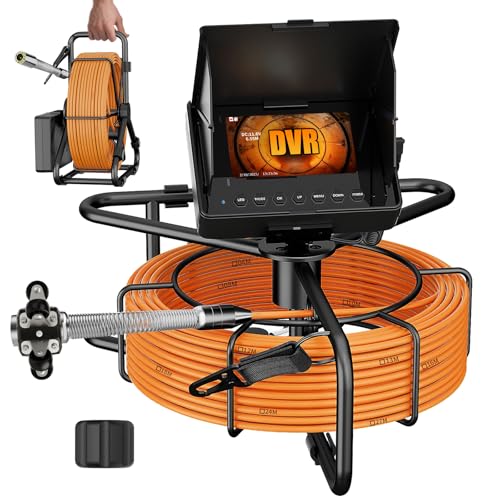
- Drain inspection camera with LED light


Before You Start
Preparation helps ensure safety and effectiveness. Clear the area around sinks and toilets, vent rooms to reduce fumes, and have disposable gloves and eye protection ready. Never mix chemical drain cleaners with other tools, as fumes can be hazardous and damage pipes. If sewer gas or standing water is present, stop and contact a professional. Time estimates vary: a quick screening may take 30–60 minutes, a full cleaning session up to 2 hours.
Step-By-Step: How To Get Rid Of Drain Bugs
- Identify affected drains and inspect for standing water in the P-trap. If the trap is dry, run water to restore a barrier against sewer gases.
- Put on gloves and safety glasses. Remove the drain cover or grid and clean visible debris from the surface using a drain cleaning brush set.
- Use a manual drain cleaning plunger with flange on sinks or toilets to dislodge minor clogs and create a seal to draw pests away from the drain rim.
- For more stubborn clogs, insert the plumber’s snake drain auger 25 ft for sinks and rotate to break buildup inside the pipe. Advance slowly to avoid pipe damage.
- Extract debris with the snake and run hot water to flush loosened material down the line.
- Assess the drain using a drain inspection camera with LED light to spot obstructions, grease buildup, or root intrusion that may harbor bugs.
- Address root causes: pour a mixture of hot water and mild dish soap or a manufacturer-approved enzymatic cleaner down the drain to digest organic matter and prevent future growth.
- For persistent pest activity, repeat cleaning routines weekly for 2–3 weeks, then switch to monthly maintenance. Do not rely on a single treatment.
- Refresh bathroom and kitchen sinks with routine flushes, keeping traps filled with water to maintain a barrier against pests.
- Inspect and clean the vent system if accessible; blocked vents can create moisture pockets that invite bugs.
- If odors persist or pests reappear, consult a plumber to assess potential leaks or sewer line issues and to discuss professional-grade solutions.
- Document findings and schedule preventive maintenance to reduce future infestations.
Troubleshooting
| Symptom | Likely Cause | Fix | Prevention |
|---|---|---|---|
| Visible drain bugs around multiple drains | Organic buildup and moisture | Clean with brushes, flush with hot water, treat with enzymatic cleaner | Regular maintenance, keep traps primed with water |
| Gassy smell from drains | Dry P-traps or sewer gas leakage | Run water to refill traps; check for leaks | Consistent trap maintenance |
| Persistent clogs after cleaning | Root intrusion or heavy buildup | Use plumber’s snake or professional camera inspection | Preventive cleaning every 6–12 months |
| Unusual pests after chemical cleaners | Chemical residue affecting beneficial bacteria | Rinse and switch to enzymatic cleaners | Alternate cleaning methods with caution |
Common Mistakes
- Relying solely on chemical drain cleaners, which can irritate skin and damage pipes
- Skipping the P-trap sanity check, leading to trap drying and gas entry
- Avoiding the use of a proper auger on stubborn clogs, which can damage pipes
- Neglecting to inspect vents, which can create persistent moisture pockets
Tips For Best Results
- Run hot water after each cleaning session to flush debris and deter residue buildup
- Use an enzymatic cleaner periodically to digest organic matter without harming beneficial bacteria
- Keep drains dry-free when not in use to prevent stagnant moisture that attracts pests
- Schedule preventative maintenance twice a year for homes with older plumbing
- Inspect and rinse brushes and augers after use to prevent cross-contamination
Call A Professional
Consider contacting a professional if there is recurrent pest activity, persistent foul odors, leaks around fixtures, or if you notice symptoms suggesting root intrusion or sewer line damage. Stop signs include strong sewer smells, water backing up into multiple fixtures, or cracks in pipes. A licensed plumber can perform comprehensive inspections, including camera evaluations and professional-grade cleaning solutions.
FAQ
What causes drain bugs to appear?
Drain bugs are typically attracted by moisture, organic matter, and standing water in drains. Nesting sites are often created by grease, hair, soap scum, and other debris that accumulate over time.
Are store-bought drainbusters effective for drain bugs?
Enzymatic cleaners and mechanical methods (snakes, plungers, brushes) are generally effective. Chemical drain cleaners should be used sparingly and with caution.
Can I use a drain camera to find bug nests?
Yes, a drain inspection camera with LED light helps identify blockages, grease buildup, and potential nesting areas within pipes.
How often should I maintain my drains to prevent bugs?
Routine maintenance every 6–12 months, plus immediate attention after any clog or pest activity, helps prevent recurrence.
When should I call a plumber?
Call a pro if pests persist after cleaning, odors remain, or you suspect leaks, root intrusion, or sewer line problems.
Buying Guide
Choosing the right tools and setup can make a big difference in how effectively drain bugs are controlled. Consider the following factors:
- Size and reach: A 25 ft plumber’s snake covers most household drains; a 3 ft toilet auger is ideal for toilets. Ensure tools fit the fixtures you own.
- Noise and ease of use: Manual augers and plungers offer control and quiet operation, suitable for apartment living.
- Energy efficiency and safety: Non-chemical approaches reduce exposure and environmental impact.
- Controls and safety features: Ergonomic handles, protective gloves, and eye protection enhance safety during use.
- Placement and storage: Store near the main bathroom and kitchen drains, with easy access for routine maintenance.
When comparing kits and individual tools, consider your typical clog type, fixture locations, and comfort with manual tools. A camera provides valuable diagnostics, while a combination of augers and brushes covers most maintenance needs. Always follow manufacturer instructions for any device and consult a professional if uncertainty arises.