Hangnails on the toe can be uncomfortable and prone to snagging. This guide provides practical steps to safely remove a toe hangnail, prevent recurrence, and maintain healthy toe skin. The focus is on common, at‑home tools and simple care routines suitable for most households.
Quick Answer
To address a toe hangnail, soften the skin, carefully trim the damaged edge with clean, appropriately sized tools, disinfect the area, and moisturize. Avoid pulling the hangnail, which can cause tears or infection. If redness, swelling, or pus appears, seek medical advice promptly.
What You’ll Need
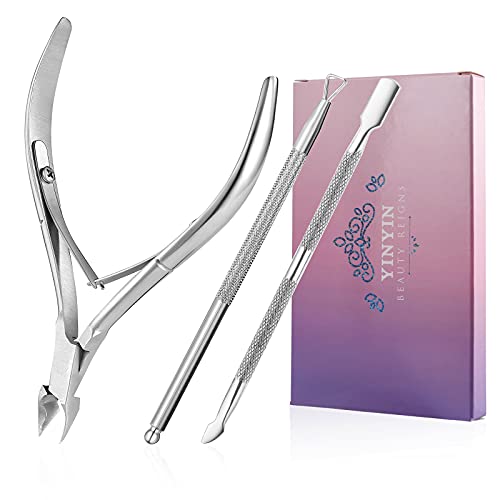
- toe cuticle nipper stainless steel
- toenail clippers stainless steel curved tips
- orange wood stick cuticle pusher for toenails
- pedicure tool kit with nail nippers and file
- callus foot file with precision nail nipper


Before You Start
Prepare a clean, well-lit workspace. Wash hands and feet with soap and warm water, then dry thoroughly. Soak the affected toe in warm water for 5–10 minutes to soften skin and the hangnail. Keep cuticles intact if possible to avoid exposing sensitive skin. Have antiseptic ready for aftercare and a clean towel or gauze for patting dry. Time estimate: 15–25 minutes.
Step-By-Step: How To Remove A Toe Hangnail
- Soften the area by soaking the toe in warm water for 5–10 minutes.
- Gently pat dry with a clean towel to avoid slipping during trimming.
- Disinfect tools with isopropyl alcohol or a sanitizer to prevent infection.
- Use the toe cuticle nipper stainless steel to carefully trim only the loose hangnail edge. Do not cut into healthy skin.
- If the hangnail is not easily pinched, use the orange wood stick cuticle pusher for toenails to ease the edge away from the skin, then trim with clean nippers.
- For stubborn callus or surrounding skin, the callus foot file with precision nail nipper can help remove excess rough edges without agitating the skin.
- Apply a thin layer of antiseptic or antibiotic ointment and cover with a sterile bandage if the area is at risk of snagging or infection.
- Keep the toe moisturized with a gentle, fragrance-free lotion to prevent dry skin and future hangnails.
- Monitor for signs of infection: increasing redness, warmth, swelling, or pus. If any appear, consult a healthcare professional promptly.
- Resume daily foot hygiene practices and avoid picking at the nail bed to reduce recurrence.
- If pain persists or the hangnail recurs frequently, consider reevaluating foot care routines and tools with a professional.
Troubleshooting
| Symptom | Likely Cause | Fix | Prevention |
|---|---|---|---|
| Foreign edge remains after trimming | Hangnail is deeply embedded | Reassess with a clean tool, trim minimal loose skin; avoid deep cuts | Soak regularly; keep nails trimmed and moisturized |
| Redness or warmth after trimming | Minor irritation or microtears | Cleanse, apply antiseptic, and cover; avoid irritants | Use sterile tools; trim in well-lit conditions |
| Persistent pain or swelling | Possible infection | Consult a clinician; may need antibiotics | Use anti-microbial aftercare and monitor |
| Hangnail recurs quickly | Dry skin or improper moisture | Increase daily moisturizing and avoid harsh soaps | Regular foot hydration and gentle nail care |
Common Mistakes
- Trying to pull off a stubborn hangnail instead of trimming it
- Using dull or dirty tools that can tear skin or introduce bacteria
- Overcutting into healthy tissue, causing pain or infection
- Neglecting post-trim hygiene and moisture, leading to recurrence
Tips For Best Results
- Soak regularly to keep toe skin soft and pliable for easier trimming
- Keep a dedicated grooming kit for nails to reduce contamination
- Disinfect tools before and after use to minimize infection risk
- Choose fragrance-free moisturizers to prevent irritation around the nails
- Trim nails straight across to prevent ingrown edges and future hangnails
Call A Professional
Seek professional help if any of the following occurs: deep cuts, heavy bleeding, signs of infection, chronic hangnail problems, or if foot conditions such as diabetes affect healing. Do not attempt to treat severe pain or swelling at home.
FAQ
Can I remove a hangnail with nail clippers?
Yes, with clean, properly sized clippers, but proceed carefully to avoid cutting healthy tissue.
Should I pluck the hangnail?
Avoid pulling or plucking; this can tear skin and lead to infection. Trim with care instead.
How often should I moisturize my toes to prevent hangnails?
Daily moisturization after showering or bathing helps prevent dry skin and hangnails.
When is it necessary to see a doctor?
Seek medical advice if redness, swelling, warmth, pus, or spreading pain occurs, or if you have diabetes or poor circulation.
Buying Guide
Choosing the right toe care tools supports safer at‑home grooming and better outcomes. Consider size, material, and ergonomics to fit American households and typical bathroom setups.
- Size and grip: Look for comfortable handles that provide precise control, especially around small toe areas.
- Material and hygiene: Stainless steel tools resist rust and are easier to sanitize. Ensure a smooth finish on blades and nippers to minimize nicks.
- Tool variety: A basic set should include a cuticle nipper, curved toe clippers, and a cuticle pusher. A pedal or pedal-like grip can help stability during use.
- Noise and ease of use: Some nail tools are designed for quiet operation and smooth cutting action, important for sensitive users.
- Energy efficiency and maintenance: Simple, manual tools require no power. Regular cleaning and oiling of moving parts extend life.
- Placement and storage: Store in a dry, clean container or roll-up case to protect blades and keep tools organized.
When evaluating options, consider a bundled pedicure tool kit with nail nippers and file, commonly including toe cuticle nippers and curved toenail clippers. Do you prefer a comprehensive kit that covers multiple foot care needs or smaller, task-focused tools?