Deep cleaning a washing machine helps remove residue, mold, and odors that can affect cleaning performance. This guide provides a practical, step-by-step approach using common cleaning products and tools designed for American households.
Quick Answer
Run a hot wash with a washer cleaner or descaler tablets, then scrub the drum, gasket, and dispensers. Repeat monthly or as needed to maintain fresh performance and prevent buildup.
What You’ll Need
- washing machine cleaning tablets drum
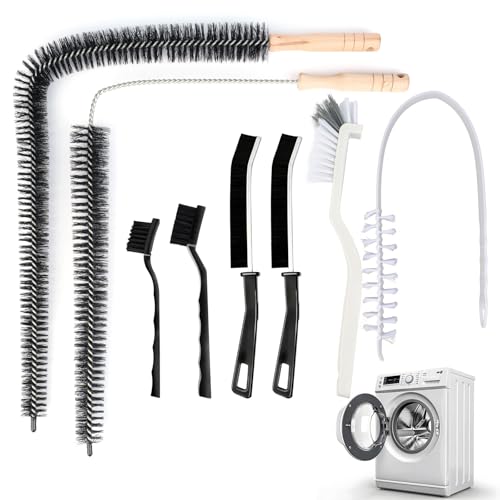
- washing machine tub cleaning brush
- descaler tablets for washing machine
- washing machine cleaning powder tub
- washing machine gasket cleaning brush


Before You Start
Before beginning, unplug the machine from the wall and ensure the drum is not spinning. Check the manufacturer’s instructions for your model to avoid voiding warranties. Use hot water unless the appliance specifies a lower maximum temperature. Expect a brief wash cycle and plan for a total cleaning session of 60–90 minutes. Critical cautions: avoid mixing strong cleaners with chlorine bleach unless the manual allows it, and ventilate the area to prevent inhalation of fumes.
Step-By-Step: How To Deep Clean A Washing Machine
- Remove any laundry and wipe around the door seal to expose the gasket and interior surfaces.
- Pour a recommended amount of washing machine cleaning powder tub or descaler tablets for washing machine into the detergent dispenser or drum, following product directions.
- Set the machine to the hottest suitable cycle and start a long wash (no laundry) to circulate and dissolve residue.
- Pause mid-cycle to inspect the drum and seal; use the drum cleaning brush to scrub visible residue and molds on the inner surfaces.
- Wipe the inside of the door gasket with the gasket cleaning brush to remove slimy buildup around folds.
- Run a second hot cycle with nothing in the drum to rinse away loosened debris, then inspect the dispenser compartments and clean them with a damp cloth.
- Clean the tub edges and any crevices with a damp sponge; re-check for tough spots and re-treat with the appropriate cleaner if needed.
- Dry the door and gasket area after the cycle ends to prevent new mold growth; leave the door ajar for air circulation.
- Optional: run a cold rinse with a small amount of cleaning powder to ensure no residue remains in the drum or dispenser channels.
- Inspect hoses and connections for signs of wear or leaks, replacing damaged parts as necessary.
- Document a monthly or quarterly cleaning routine to maintain cleanliness and performance over time.
Troubleshooting
| Symptom | Likely Cause | Fix | Prevention |
|---|---|---|---|
| Persistent odor after cleaning | Residual mold in gasket or dispenser | Repeat cleaning cycle; scrub gasket and dispenser | Regular monthly cleaning; keep door ajar between uses |
| Visible residue after wash | Detergent buildup or hard water deposits | Use descaler tablets and run hot cycle; clean dispensers | Use the recommended amount of cleaner; run when the washer is full but not overloaded |
| Clogged dispenser slots | Detergent crystal buildup | Remove and rinse parts; scrub with brush | Rinse after each cycle; avoid clog-prone products |
| Gasket smells or mold | Moist folds trap moisture | Wipe with cleaning brush; dry thoroughly | Leave door open after cycles |
Common Mistakes
- Using the wrong temperature cycle for the cleaner or model
- Overfilling dispensers with cleaners or detergents
- Neglecting the door gasket, leading to recurrent odors
- Ignoring routine maintenance and not scheduling regular cleanings
Tips For Best Results
- Run a cleaning cycle on warm or hot settings when possible to maximize residue dissolution.
- Schedule deep cleaning every 1–3 months depending on usage and water quality.
- Choose products that are compatible with your washer’s material and warranty terms.
- Keep the laundry area ventilated to minimize chemical fumes during cleaning.
- Document cleaning dates to help plan future maintenance.
Call A Professional
Seek professional service if you notice persistent leaks, unusual noises during cycles, or if the machine fails to drain after cleaning. Stop using the washer if visible mold or mildew growth is extensive, or if internal components show signs of damage.
FAQ
What cleaning products work best for a washing machine?
Use washing machine cleaning tablets drum, washing machine cleaning powder tub, or descaler tablets for washing machine that are designed for household washers and compatible with your model.
How often should I deep clean my washer?
Adequate for most households is every 1–3 months, depending on usage, water hardness, and odor presence.
Can I use bleach to clean my washing machine?
Only if the manufacturer explicitly allows it; otherwise use recommended cleaners to avoid damage and fumes.
Is it safe to clean the gasket with a brush?
Yes, using a dedicated gasket cleaning brush helps remove mold and debris safely without harming seals.
What about front-load washers vs top-load washers?
Both types benefit from regular cleaning; follow specific model guidance for drum, gasket, and dispenser care.
Do I need to run hot cycles every time I clean?
Hot cycles are typically most effective for residue and odor removal, but follow the product instructions and appliance limits.
How can I prevent future odors?
Keep the door open after cycles, wipe the gasket periodically, and use appropriate cleaning products on a routine basis.
Buying Guide
When choosing washing machine cleaning products and tools, consider size, compatibility, and ease of use. Key factors include the type of cleaner (tablets, powder, or combination), the presence of a gasket brush, and whether the kit covers drum and dispenser cleaning. For larger households or hard water areas, descaler tablets for washing machine that dissolve efficiently may be beneficial. Look for products that are safe for all washer materials and do not void warranties.
Related Considerations
- Size and capacity of your washing machine may influence how you apply cleaners inside the drum and dispensers.
- Noise level and energy efficiency are separate concerns from cleaning products but affect overall user satisfaction.
- Controls and programmable cycles may determine how easily you can run a dedicated cleaning cycle.
- Placement in a ventilated area improves safety and odor management during deep cleaning.