Deep cleaning the scalp helps remove buildup from hair products, oil, and dead skin cells, promoting healthier roots and better product absorption. This guide walks through practical steps using common scalp care tools and techniques suitable for most users.
Quick Answer
Deep cleaning the scalp involves a targeted cleansing routine that combines gentle mechanical exfoliation with a sulfate-free wash, followed by rinsing and moisture restoration. Use a soft brush or silicone exfoliator to avoid irritation, and limit aggressive scrubbing to avoid scalp damage.
What You’ll Need
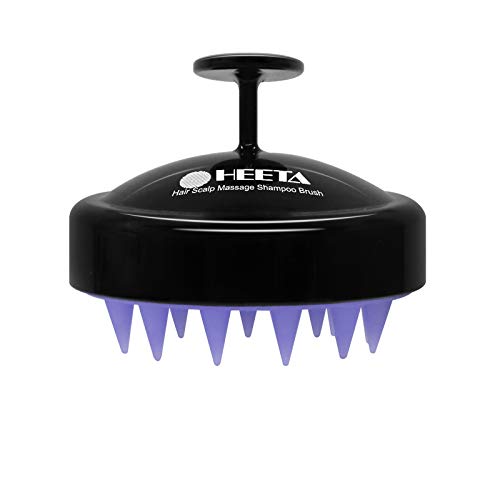
- Silicone scalp massager brush for deep cleansing or scalp scrubber brush silicone for dandruff
- Electric scalp massager device for scalp cleansing
- Boar bristle scalp brush for scalp stimulation
- Silicone scalp exfoliator brush for buildup removal

Before You Start
Prepare a clean, calm setting and gather your tools. Perform a patch test if you have sensitive skin or scalp conditions. Wet hair thoroughly, so the brushes glide smoothly. Time estimate: 10–15 minutes for the full routine. Start slowly to gauge comfort and adjust pressure as needed.
Step-By-Step: How To Deep Clean Your Scalp
- Wet hair with warm water to open follicles and soften buildup.
- Apply a gentle, clarifying or mild cleansing shampoo focusing on the scalp, not the ends.
- Choose your tool: a silicone scalp massager brush, or a silicone exfoliator brush, for buildup removal.
- Gently work in circular motions across the entire scalp, avoiding excessive pressure on sensitive areas.
- Spend extra time on areas prone to buildup, such as the crown and hairline.
- Rinse thoroughly, ensuring all shampoo and loosened debris are removed from the scalp.
- Rinse again with cool water to close the pores and reduce frizz.
- Apply a lightweight conditioner to the mid-lengths and ends, avoiding scalp buildup.
- Optional: use an electric scalp massager device for a brief, soothing massage to improve circulation.
- Gently pat the scalp dry with a clean towel; avoid vigorous rubbing that can irritate the skin.
- Finish with a leave-in product or oil if your scalp is dry, avoiding heavy formulas on the root.
Troubleshooting
| Symptom | Likely Cause | Fix | Prevention |
|---|---|---|---|
| Itchy scalp after cleaning | Overwashing or harsh products | Switch to a milder shampoo; reduce wash frequency | Use a pH-balanced cleanser and patch test new products |
| Redness or irritation | Excessive pressure or sensitive skin | Limit pressure; pause if irritation persists | Switch to softer brushes and slower motions |
| Persistent flaking | Dandruff or scalp dryness | Incorporate a dedicated scalp scrubber and mild anti-dandruff shampoo | Maintain consistent washing routine; avoid heavy products |
| Product residue on scalp | Over-application of product or insufficient rinse | Use less product; rinse thoroughly | Rinse twice and consider a clarifying step occasionally |
Common Mistakes
- Scrubbing too hard or using harsh brushes on the scalp
- Overwashing or using heavy, oily products at the root
- Not rinsing thoroughly, leaving residue that can clog follicles
- Skipping a patch test before introducing new tools
Tips For Best Results
- Use warm water to open follicles, then cool water to close them after rinse
- Rotate tools: silicone exfoliator for buildup on days with heavy products, boar bristle brush for gentle stimulation on lighter days
- Combine mechanical cleansing with a scalp-friendly shampoo formulated for your hair type
- Dry gently and avoid heat styling immediately after deep cleaning to minimize stress on the scalp
- Keep brushes clean and dry between uses to prevent mildew or bacterial growth
Call A Professional
Seek professional help if you experience persistent irritation, severe flaking, signs of infection, or if scalp conditions worsen after home treatments. If you notice unusual redness, swelling, or sores, contact a dermatologist or trichologist promptly.
FAQ
Can I deep clean my scalp every day?
Avoid daily deep cleaning; 1–3 times per week is typically sufficient, depending on scalp type and product use.
Which tool is best for buildup removal?
A silicone scalp exfoliator brush or a silicone scrubber is effective for removing buildup without harsh scrubbing.
Should I use conditioner on the scalp?
Apply conditioner mainly to mid-lengths and ends; keep the scalp light to prevent residue buildup.
Is an electric scalp massager device necessary?
Not necessary, but it can enhance circulation and relaxation when used gently and for short durations.
Can this help with dandruff?
Yes, using a scalp scrubber and a dandruff-friendly shampoo can reduce flakes when used consistently.
Buying Guide
Choosing the right scalp cleansing tools involves several factors. Consider size and grip comfort, especially for sensitive hands. Noise level matters if you prefer quiet routines, particularly with an electric scalp massager device. Energy efficiency is relevant for rechargeable models, but most manual tools do not draw power. Look for easy-to-clean materials and durable bristles or silicone surfaces. Placement matters: use tools over a sink or shower to minimize mess. Compare silicone scalp exfoliator brushes and boar bristle options to balance buildup removal with scalp stimulation, and select a model that suits your hair type and lifestyle. Would you benefit from a multi-tool system that combines cleansing and massage, or a focused silicone brush for quick daily use?