Quick Answer
Deep cleaning a sofa involves removing surface dirt, neutralizing odors, and extracting embedded grime. Start with vacuuming to lift loose debris, then treat stains, and finish with a thorough rinse or steam clean to refresh the upholstery. Using the right tools ensures you reach fibers without over-wetting.
What You’ll Need
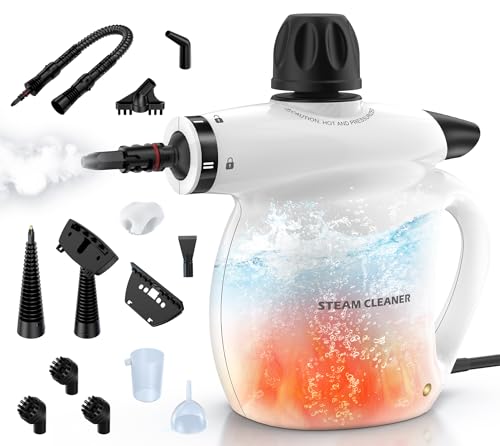
- Upholstery steam cleaner for couches
- Portable fabric steamer cleaner with upholstery attachment
- Carpet and upholstery extractor machine for furniture
- Microfiber upholstery cleaning brush attachment set
- Vacuum with upholstery tool crevice wand and brush


Before You Start
Prepare the room by removing cushions and delicate items. Check fabric care codes and perform a spot test in an inconspicuous area. Use low moisture and avoid soaking the upholstery to prevent mold. Allow ample drying time and ensure good ventilation. For sensitive fabrics, consult care labels and consider a professional evaluation if stains are stubborn.
Step-By-Step: How To Deep Clean Couches
- Remove all cushions and vacuum the entire surface with the vacuum with upholstery tool crevice wand and brush to lift loose dirt.
- Brush fabric lightly with a microfiber upholstery cleaning brush attachment set to loosen embedded grime.
- Treat stains using a fabric-safe cleaner, applying it with a damp cloth or the upholstery tool, then blot—do not rub.
- Set up the upholstery steam cleaner for couches or portable fabric steamer cleaner with upholstery attachment according to the user manual.
- Test in a hidden area, then begin cleaning in small sections, moving in a methodical pattern to prevent over-wetting.
- Rinse or extract using the machine’s clean water or extraction mode, ensuring residue is removed from fibers.
- Leave cushions off the sofa to air-dry completely, preferably with good airflow or a fan nearby.
- Reassemble after drying, re-fluff cushions, and vacuum again to lift any loosened fibers.
- Inspect for missed spots and perform a follow-up cleaning if needed, especially on high-traffic areas.
- Store equipment per manufacturer instructions and sanitize tools to prep for next use.
- Set a routine cleaning schedule to maintain fresh, clean upholstery over time.
Troubleshooting
| Symptom | Likely Cause | Fix | Prevention |
|---|---|---|---|
| Stains reappear after cleaning | Stain was set or not fully treated | Re-treat with fabric-safe cleaner and re-clean | Spot-treat promptly; test cleaners first |
| Fibers stay damp | Over-wetting or poor ventilation | Increase airflow and extend drying time | Use less moisture per pass |
| Fabrics rough after cleaning | Harsh cleaner or high heat | Switch to milder solution and lower heat | Follow care labels and test |
| Odor persists | Mold or organic buildup | Deep clean again and consider enzyme-based deodorizer | Regular cleaning schedule |
Common Mistakes
- Using too much water, which leads to long drying times and mildew risk.
- Skipping a spot test, risking fabric damage or color bleed.
- Not allowing complete drying before use, which can cause odors or mold.
- Over-wetting seams or cushions, causing distortion or rippling.
Tips For Best Results
- Work in a well-ventilated space to speed drying and reduce odor retention.
- Rotate cushions and flip seating components midway through cleaning to ensure even moisture exposure.
- Use microfiber cloths to blot and lift moisture without dragging dirt deeper.
- Always start with the least aggressive method and escalate only as needed.
Call A Professional
Consider a pro if the fabric is delicate, antique, or heavily soiled with stubborn stains, pet odors, or dye transfer. Stop and seek professional assessment if you detect fabric fraying, color bleeding, or if cleaning would require excessive moisture. For large, upholstered sections or high-traffic furniture, a certified technician can provide deep cleaning with specialized equipment.
FAQ
What is the best method to deep clean a fabric couch?
Combination cleaning using vacuuming, spot treatment, and controlled steam or extraction cleans most fabrics effectively.
Can I use a household steam cleaner on my sofa?
Yes, if the device is rated for upholstery and you follow the fabric care label and a test patch.
How do I dry a couch quickly after cleaning?
Increase room ventilation, use fans, and avoid heavy cushions until surfaces are fully dry.
Is it safe to use fragrance or deodorizer after cleaning?
Only if the product is designed for upholstery and compatible with the fabric; test first.
How often should I deep clean a fabric sofa?
For typical use, every 6–12 months, with more frequent cleanings for households with pets or allergies.
Are there fabrics that cannot be steam cleaned?
Yes, some delicate fabrics or dry-clean-only textiles require professional care.
Should I hire a professional for pet stains?
Often advisable if odors persist after initial cleaning or if there is widespread staining.
Buying Guide
When choosing equipment to deep clean couches, consider size, noise, energy use, controls, and placement. For most homes, a portable extractor or steam cleaner balances performance and convenience. Look for adjustable steam or suction settings to protect delicate fabrics. Noise level matters in small rooms, so check dBA ratings if noise sensitivity is a concern. Energy efficiency can reduce running costs when cleaning multiple rooms. Controls should be intuitive, with clear indicators for moisture and heat. Finally, ensure the unit is suitable for your sofa’s fabric and that attachments include a variety of brushes and upholstery tools for targeted cleaning. Fancy features are useful, but reliability and fabric compatibility are the top priorities.