White leather adds a crisp, stylish look to cars, shoes, handbags, and furniture, but it also shows dirt and stains more readily than darker tones. This guide outlines practical, step-by-step methods to clean white leather while preserving its color and texture. By following best practices and using the right products, owners can maintain a pristine appearance without damaging the material.
Quick Answer
For most white leather surfaces, start with a gentle, pH-balanced cleaner and a soft microfiber cloth. Lightly wipe to lift dirt, then condition to restore suppleness. For tougher spots, use a dedicated leather stain remover, then re-condition. Always test in an inconspicuous area first.
What You’ll Need
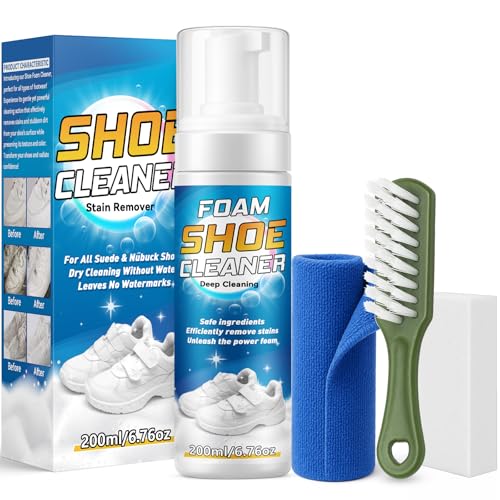
- White leather cleaning kit pH-balanced
- White leather cleaner for car seats
- White leather conditioner cream for shoes and handbags
- Leather stain remover for white leather
- Microfiber cloths for cleaning white leather kit


Before You Start
Inspect the leather for finish type (aniline, semi-aniline, or coated). For matte or glossy finishes, use products labeled safe for that finish. Work in a well-ventilated area and test any product in a hidden area before full use. Avoid harsh detergents, ammonia, or bleach, which can discolor or dry leather. Plan for multiple passes on larger surfaces and set aside 20–40 minutes per session for thorough cleaning and conditioning.
Step-By-Step: How To Clean White Leather
- Remove loose dirt with a soft brush or dry microfiber cloth to prevent rubbing grime into the finish.
- Apply a small amount of white leather cleaning kit pH-balanced to a clean microfiber cloth. Do not spray directly onto the leather; mist the cloth instead.
- Gently wipe in circular motions over the surface, focusing on stained or soiled areas. Use light pressure to avoid scuffing.
- For stubborn stains, apply a dab of leather stain remover for white leather to a clean cloth and test on a hidden area before treating the stain. Use as directed by the product.
- Wipe away residue with a fresh, slightly damp cloth and dry with a clean towel. Ensure all cleaner is removed to prevent residue buildup.
- Apply a small amount of white leather conditioner cream for shoes and handbags to restore suppleness. Use a clean cloth and work it in evenly in a circular motion.
- Let the conditioner absorb for 10–15 minutes, then buff with a dry microfiber cloth to restore shine and remove excess product.
- For large surfaces like car seats, repeat the cleaning and conditioning steps in sections to maintain even appearance and avoid streaks.
- Place the item in a draft-free area to air-dry completely before use. Avoid direct sunlight or heat sources during drying.
- Schedule regular cleanings, using the pH-balanced kit periodically to prevent buildup and maintain color brightness.
- Optionally, store microfiber cloths in a clean container to keep them ready for the next cleaning session and replace any worn textiles to avoid transferring fibers.
- Finish with a light, even buff to ensure a uniform finish and prevent future marks from setting in.
Troubleshooting
| Symptom | Likely Cause | Fix | Prevention |
|---|---|---|---|
| Discoloration after cleaning | Residual cleaner or improper drying | Wipe with a damp cloth to remove residue, then dry completely | Use a small test area first; avoid over-wetting |
| Streaks or shiny patches | Over-application of conditioner | Buff with dry microfiber until streak-free | Apply thin, even layers |
| Cracking after cleaning | Over-drying or harsh cleaners | Moisturize with conditioner and avoid harsh chemicals in future | Stick to pH-balanced products |
| Color fading | Sun exposure or improper product choice | Limit sun exposure and use UV-protective products | Rotate placement away from direct sun |
| Stubborn grease stains | Oil-based residue | Apply leather stain remover and repeat as directed | Address stains promptly |
Common Mistakes
- Using household cleaners with high pH or ammonia on leather
- Over-wetting the surface, which can cause staining or swelling
- Skipping a test patch, leading to unexpected color changes
- Rubbing aggressively, which accelerates wear and scratches
- Not conditioning after cleaning, resulting in stiffness or cracking
Tips For Best Results
- Clean regularly with a gentle, pH-balanced kit to prevent buildup on white leather.
- Use separate microfiber cloths for cleaning and for drying to avoid cross-contamination.
- Test new products on an inconspicuous area before full application.
- Keep leather away from direct sunlight and heat sources during drying to prevent fading.
- Store cleaning tools in a dedicated kit to maintain conditions and readiness.
Call A Professional
Consult a professional if the leather shows extensive cracking, deep dye transfer from other fabrics, large sun damage, or if the item is valuable or irreplaceable. Seek help when stains resist multiple cleaning attempts, or if you notice color transfer onto other materials that cannot be addressed with consumer products.
FAQ
Can I use regular soap on white leather?
Regular soaps are not recommended; they can disrupt the leather’s finish and cause drying or discoloration. Use pH-balanced leather cleaners instead.
How often should I clean white leather?
Light maintenance every 1–2 weeks and a deeper clean every 1–3 months, depending on use and exposure to dirt or oils.
Is conditioner necessary after every cleaning?
Yes, to restore moisture and prevent cracking, apply a conditioner after cleaning and allow it to absorb fully.
Will cleaning affect the color of white leather?
When used correctly with the right products, cleaning should preserve color. Always perform a patch test first.
Buying Guide
When selecting cleaning and conditioning products for white leather, consider factors such as size and coverage, fragrance, and compatibility with your leather type. Key buying factors include:
- Size and coverage: Choose kits that match the surface area you intend to treat, whether a car seat, handbag, or shoes.
- Noise level and ease of use: In-car or on-the-go cleaning benefits from easy-to-use spray bottles or wipes.
- Energy efficiency: Not directly applicable, but choose compact, low-waste packaging when possible.
- Controls and labeling: Look for clear instructions, pH-balanced formulas, and finish-specific products.
- Placement: Store products away from heat, light, and moisture; keep kits together for consistency.
- Safety and materials: Ensure products are non-abrasive and safe for your leather’s finish; test first.
Comparing options helps identify the right balance between cleaning power and leather safety. For many users, a combination of a pH-balanced white leather cleaning kit, a dedicated white leather cleaner for car seats, and a conditioning cream provides an effective, all-around solution. If unsure which product to start with, consider the specific item you’re cleaning and the type of leather finish involved.