A clean washing machine improves washing performance, reduces odor, and extends the life of the appliance. This guide covers practical, step-by-step methods suitable for most front- and top-loading models commonly used in American homes. It emphasizes accessible tools and safe cleaning practices to keep laundry fresh and machines functioning efficiently.
Quick Answer
Regularly run a hot water cycle with a cup of white vinegar or a dedicated washing machine cleaner, clean the drum and gasket with targeted brushes, and wipe down seals and surfaces after each cycle. Deep clean every 1–3 months, depending on usage and hardness of water.
What You’ll Need
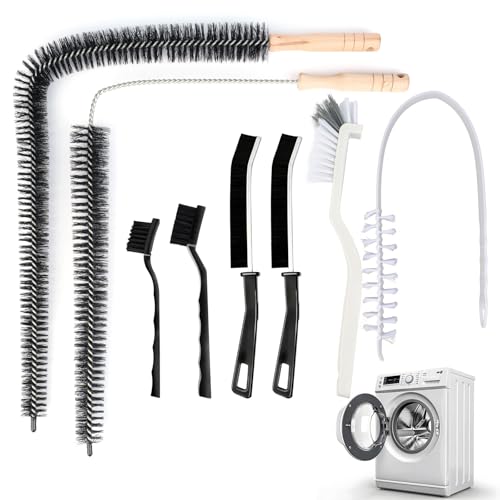
- Washing machine drum cleaning brush
- Gasket cleaning brush for washing machine
- Appliance cleaning brush set for washers
- Washer tub cleaning brush
- Front load washer gasket cleaning tool
- White vinegar or washing machine cleaning tablets
- Microfiber cloths
- Non-abrasive cleaner (optional for exterior)

Before You Start
Turn off and unplug the machine before accessing the interior. For front-loading machines, remove laundry and check the door seal for stubborn mildew. Do not mix bleach with ammonia or other cleaners, as dangerous fumes can form. Prepare a clear workspace and ensure the area around the washer is dry to prevent slips. Time an average cleaning session at 60–90 minutes, with longer sessions for heavy buildup.
Step-By-Step: How To Clean A Washing Machine
- Prep the drum: Remove any visible lint or coins from the drum and wipe the interior with a microfiber cloth to reduce surface grime.
- Clean the gasket: Open the door and inspect the rubber door seal. Use the gasket cleaning brush for washing machine to scrub folds and remove mold, soap scum, and hair.
- Targeted cleaning: Apply a mild non-abrasive cleaner or pour white vinegar into the detergent dispenser and add a cleaning solution into the drum. Run a hot or longest cycle to loosen buildup.
- Rinse cycle: After the first cycle, run an empty rinse cycle with hot water to flush out loosened residue and vinegar or cleaner.
- Clean the dispensers: Remove and wash detergent, fabric softener, and bleach dispensers with warm water and a brush from the appliance cleaning brush set for washers. Dry before reinserting.
- Wipe exterior and controls: Use a microfiber cloth dampened with a mild cleaner to wipe the control panel, door, and exterior surfaces for a polished look.
- Deep-dive on the drum: If heavy buildup remains, use the washer tub cleaning brush to scrub any persistent residue around the drum edges and holes.
- Run a second cycle if needed: For stubborn smells, repeat the hot cycle with fresh water and a cleaning agent, then finish with a plain rinse.
- Dry and air-out: Leave the door slightly ajar after cleaning to promote airflow and prevent mold growth.
- Schedule regular cleanings: Mark a calendar reminder for routine cleanings every 1–3 months depending on usage and water quality.
- Check hoses: While cleaning, inspect hoses for bulges, cracks, or leaks and replace if signs of wear appear.
- Test with laundry: Run an empty cycle after cleaning, then run a normal load to confirm no residue remains in the drum or dispensers.
Troubleshooting
| Symptom | Likely Cause | Fix | Prevention |
|---|---|---|---|
| Musty smell returns between cleanings | Mold in gasket or drum | Increase cleaning frequency; re-clean gasket with brush | Keep door ajar after cycles; wipe seals dry |
| Residue on clothes after wash | Detergent buildup or clogged dispenser | Clean dispensers; run an extra rinse cycle | Use correct amount of detergent for load size |
| Unusual odors from motor area | Stagnant water or mold near drain | Run hot cycle with cleaner; inspect drain hose | Clear drainage path regularly |
| Drum not rotating properly | Lint or debris in paddles or drum | Clean drum edges and agitator if present | Remove lint after every wash |
| Water leaks during cleaning | Loose hoses or gaskets | Tighten connections; replace worn seals | Inspect hoses at least quarterly |
Common Mistakes
- Using bleach too aggressively on rubber gaskets can cause wear; always dilute and follow product directions.
- Skipping dispenser cleaning; residue can transfer to clothes.
- Overfilling the drum with cleaners; more is not always better and can cause foaming issues.
- Running hot cycles without a cleaning agent periodically; buildup may persist.
Tips For Best Results
- Schedule a monthly quick wipe-down of the door seal as a preventative habit.
- Use a cleaning cycle or run hot water with a cup of white vinegar every 1–2 months, depending on usage.
- Place a small tray under the dispenser area if you notice frequent soap residue pooling around the drawer.
- For hard-water areas, consider a descaling routine twice a year to prevent mineral buildup inside the drum.
Call A Professional
Consider a pro if you notice persistent leaks, unusual noises, or a failed motor that does not respond to routine cleaning. Do not attempt complex repairs, wiring checks, or hose replacements beyond basic inspection—these can pose safety risks or void warranties.
FAQ
How often should I clean a washing machine?
Most households benefit from a thorough clean every 1–3 months, with more frequent cleanings for hard-water areas or high-usage households.
Can I use bleach to clean the drum?
Bleach can be effective in small amounts for sanitizing, but it can degrade gaskets and seals over time. Follow product directions and alternate with milder cleaners.
What is the best method to clean a front-load washer gasket?
Use a gasket cleaning brush to reach folds and crevices, then wipe with a cloth. Repeat monthly to prevent mold buildup.
Is it safe to run a washing machine empty with vinegar?
Yes, running an empty hot cycle with vinegar is a common method to dissolve buildup; rinse with a plain cycle afterward to remove any odors.
Should I use hot or cold water for cleaning?
Hot water is generally more effective at dissolving soap scum and mineral deposits, but cold water can work for light buildup combined with a suitable cleaner.
What if cleaning doesn’t fix the odor?
Persistent odors may indicate hidden mold behind the gasket or in the drum. Consider a professional inspection if odors persist after repeated cleanings.
Buying Guide
When choosing tools and accessories for cleaning a washing machine, consider size, compatibility with your model, and ease of use. Key buying factors include:
- Size and compatibility: Ensure the brushes fit your gasket folds, drum diameter, and any recessed areas in front- or top-loading machines.
- Brush material and design: Soft, non-scratching bristles prevent damage to gaskets while effectively removing soap scum and mold.
- Cleaning efficiency: A dedicated appliance cleaning brush set often includes multiple brushes for different parts, increasing efficiency and coverage.
- Dispenser compatibility: When cleaning dispensers, ensure you can detach or access drawers easily for thorough cleaning.
- Maintenance and replacement: Look for durable brushes with replaceable heads to extend use without replacing entire tools.
- Ease of use: Ergonomic handles and sturdy grips reduce hand fatigue during longer cleaning sessions.
- Cost and availability: Choose a kit available from common retailers with good warranty and customer support.
Consider your water hardness, typical detergent usage, and the presence of a front- or top-loading design when selecting a kit. The right set of brushes can simplify routine maintenance and help preserve appliance efficiency and hygiene.