Construction projects can leave dust, splatters, and smudges across walls. A systematic approach helps restore surfaces without damage. This guide outlines practical steps, the right tools, and pro tips to achieve clean, fresh walls in American homes.
The method below favors common household cleaners and professional-grade tools that are readily available in U.S. stores. It emphasizes safety, efficiency, and results that look like-new while preserving paint and finishes.
Quick Answer
Start with a light dusting using a vacuum dusting brush, then tackle stains with a microfiber cloth or sponge scrubber. For stubborn spots, employ a nylon bristle wall scrub brush on painted surfaces or a handheld steam cleaner for deeper cleaning. Finish with a wipe-down and allow surfaces to air dry.
What You’ll Need
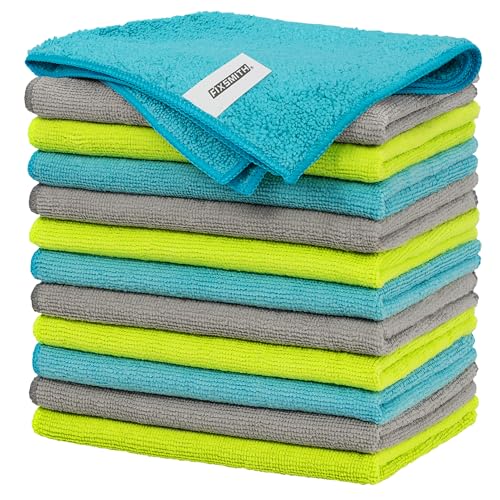
- Post-construction wall cleaning microfiber cloths
- Nylon bristle wall scrub brush for painted surfaces
- Sponge scrubber for wall cleaning dust and splatters
- Handheld steam cleaner for walls and ceilings
- Vacuum dusting brush attachment for wall corners


Before You Start
Inspect walls for peeling paint, exposed drywall, or water stains. Do a small patch test in a discreet area to confirm cleaner compatibility. Protect floors with drop cloths and wear a mask if dust is thick.
Critical cautions: avoid saturating porous surfaces, and never use highly abrasive pads on glossy paints. Use gentle pressure to prevent scuffing and ensure even cleaning across curved or textured areas.
Estimated time: 45–90 minutes for typical rooms, longer for lots of newly set drywall or heavy splatters. If walls are extremely fragile or newly primed, allow extra drying time and use minimal moisture.
Step-By-Step: How To Clean Walls After Construction
- Begin with dry cleaning: use a vacuum dusting brush attachment for wall corners to remove loose dust and cobwebs from edges and joints.
- Dust the entire surface lightly with a microfiber cloth to reduce the amount of moisture required for subsequent steps.
- Identify spots that appear wet or sticky. For these, use a sponge scrubber for wall cleaning dust and splatters dampened with plain water or a mild cleaning solution.
- For painted walls with smudges, work in small circular motions using a nylon bristle wall scrub brush for painted surfaces to lift stains without harming the finish.
- Apply a gentle cleaning solution to a microfiber cloth. Wipe from top to bottom, using overlapping strokes to avoid missed areas.
- Use a handheld steam cleaner for stubborn grime on larger flat areas or textured surfaces. Hold the nozzle a few inches away and move steadily to prevent moisture buildup.
- Rinse a fresh microfiber cloth in clean water and wipe surfaces to remove any soap residues. Avoid over-wetting the wall to prevent moisture damage.
- Dry the walls with a clean, dry microfiber cloth to prevent streaks and water marks, especially in kitchens and bathrooms.
- Inspect for remaining spots. Re-clean any stubborn areas with the appropriate tool (brush or sponge) until the surface looks uniform.
- Finish by wiping baseboards, trim, and corners. A quick pass with the vacuum attachment helps remove dust that settles on ledges after cleaning.
- Allow walls to air-dry completely before moving furniture back or repainting if needed.
Troubleshooting
| Symptom | Likely Cause | Fix | Prevention |
|---|---|---|---|
| Streaks after cleaning | Residue left behind | Rinse with clean water and wipe dry | Use light, even pressure; avoid over-soaking |
| Paint dulling or scuffing | Harsh scrub or abrasive pad | Switch to nylon bristles and soft cloth | Test in a hidden area first |
| Water marks on glossy paint | Excess moisture | Blot and dry with microfiber cloth | Use minimal moisture in one pass |
| Stains reappear after drying | Underlying residue not removed | Re-treat with appropriate tool and repeat | Address stains promptly in the same session |
| Moisture damage or bubbling | Over-wetting or poor ventilation | Let surfaces dry completely; improve airflow | Ventilate during cleaning |
Common Mistakes
- Using harsh chemical solvents on painted walls
- Over-wetting drywall or plaster surfaces
- Rubbing aggressively with rough pads on finished surfaces
- Ignoring test patches before full-room cleaning
- Neglecting corners and high areas where dust collects
Tips For Best Results
- Work in shade or cool rooms to prevent rapid drying that can cause streaks.
- Dust from top down to avoid re-soiling freshly cleaned areas.
- Use microfiber cloths over paper towels for eco-friendly cleaning and better lint control.
- Choose tools that match wall texture: smooth surfaces benefit from cloths; textured walls from soft brushes and sponges.
- Keep a dedicated cleaning kit handy for touch-ups during the day you finish a room.
Call A Professional
Consider a pro if walls show extensive plaster damage, ongoing moisture issues, severe new-construction dust, or peeling paint. Seek expert help for large-scale cleanups, drywall repairs, or if painting touch-ups are necessary after cleaning.
FAQ
Can I use bleach to clean construction dust off walls?
Bleach is generally not recommended for painted or wallpapered walls. It can damage finishes. Use mild cleaners and spot-test first.
How long should walls dry after cleaning?
Drying times vary by humidity and ventilation, but most surfaces dry within 30–60 minutes after a light wipe-down. Open doors or use a fan to speed it up.
Are microfiber cloths reusable after cleaning walls?
Yes. Rinse and air-dry between uses. Launder regularly to remove paint residues and dust.
Is a steam cleaner safe on all wall types?
Steam cleaners are effective on sealed painted surfaces but may not be suitable for porous or wallpapered walls. Always test a small area first.
Should I clean walls before or after painting?
Cleaning before painting helps prep the surface; cleaning after construction helps finish any remaining dust or splatters to achieve a pristine result.
What about ceiling cleaning?
A handheld steam cleaner or sponge can work on ceilings, following the same top-to-bottom method and avoiding excess moisture near fixtures.
Do I need to remove outlet covers before cleaning?
Yes. Remove covers to clean thoroughly and prevent moisture from entering electrical boxes.
Buying Guide
When selecting tools for post-construction wall cleaning, consider size, noise, energy efficiency, controls, and placement. A practical setup balances versatility and ease of use for American homes.
Size and reach matter: a compact handheld steam cleaner is great for ceilings and tight spots, while a long-handled brush helps in high walls. Noise levels vary by appliance; prefer quieter units for living areas and bedrooms.
Energy efficiency and cleaning performance go hand in hand. Look for refillable water tanks and efficient motors. Conventional wall cleaning kits—combining post-construction wall cleaning microfiber cloths, nylon bristle wall scrub brush for painted surfaces, and sponge scrubber for wall cleaning dust and splatters—offer reliable, cost-effective results.
Controls should be intuitive: choose tools with adjustable bristle stiffness for different walls and surfaces. Consider placement needs: compact tools store easily in utility rooms; wall-mounted storage keeps brushes within reach for ongoing projects.
For a well-rounded kit, include a vacuum dusting brush attachment for wall corners to remove dust without dragging debris across fresh paint. If you have textured walls, ensure your sponge scrubber can handle irregular surfaces without tearing. A handheld steam cleaner for walls and ceilings provides deep cleaning where moisture tolerance allows.
In summary, match tools to your walls’ material and finish, prioritize gentle yet effective cleaning methods, and assemble a versatile kit that covers dusting, scrubbing, and sanitizing—without risking damage to newly finished surfaces.