Vomit on a microfiber couch can be stressful, but quick action and the right tools make the stain easier to remove. This guide outlines practical, step-by-step methods using common cleaning products and equipment suitable for U.S. households.
By following the steps below, users can tackle both stain and odor while preserving the fabric’s texture. The focus is on safe, effective techniques that minimize water damage and color fading on microfiber upholstery.
Quick Answer
Act fast with blotting, then treat the area with an enzyme-based upholstery cleaner or a fabric spray designed for microfiber. Rinse lightly, blot dry, and repeat as needed. For stubborn spots, a steam cleaner can help lift residue without saturating the fabric.
What You’ll Need
- Upholstery cleaner for microfiber couch enzyme spray
- Steam cleaner for fabric upholstery microfiber
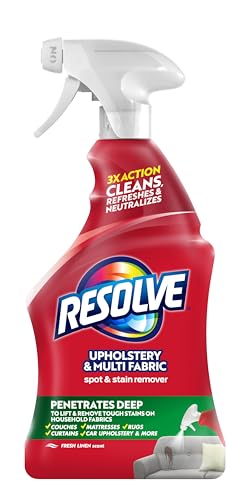
- Microfiber couch stain remover spray
- Upholstery cleaning brush set microfiber fabric
- Fabric upholstery cleaning kit microfiber couch
- Clean white cloths or paper towels
- Light-colored towels for blotting


Before You Start
Move any nearby cushions and prop the couch to improve air circulation. Test cleaners in an inconspicuous area to check colorfastness before wider use. Wear gloves if you have sensitive skin or chemical sensitivities. Allow the area to dry fully between steps to prevent water damage.
Important cautions: Do not rub vigorously on delicate fibers; excessive scrubbing can fray microfiber. Avoid bleach or harsh solvents that can discolor or weaken the fabric.
Estimated time: about 30–60 minutes per round of treatment, plus drying time. For severe odors, plan for a second session the next day.
Step-By-Step: How To Clean Vomit From A Microfiber Couch
- Blot any solid or liquid residue with a clean cloth, pressing gently to lift moisture without spreading.
- Wipe the area with a dry, clean cloth to remove as much moisture as possible before applying a cleaner.
- Apply a small amount of enzyme spray or microfiber-specific stain remover to the affected area, following the product’s instructions.
- Gently work the cleaner in with a soft brush from the upholstery cleaning brush set microfiber fabric to lift the stain without abrading the fibers.
- Let the cleaner sit for the recommended dwell time, then blot with a clean cloth to remove loosened residue.
- If any odor remains, lightly mist the area with enzyme spray and allow it to air-dry, or use a fabric upholstery cleaning kit microfiber couch as directed.
- For stubborn stains, use a steam cleaner for fabric upholstery microfiber on a low setting, avoiding saturating the fabric. Pass the wand slowly over the area to lift remaining material.
- Once the area is dry, brush with the microfiber fabric brush to restore nap and texture. Vacuum the area to pick up loosened particles.
Troubleshooting
| Symptom | Likely Cause | Fix | Prevention |
|---|---|---|---|
| Stain reappears after drying | Residual residue | Repeat cleaning with enzyme spray and light brushing | Blot more thoroughly; avoid overwetting |
| Color transfer or fading | Harsh cleaners | Switch to mild microfiber-specific products | Test first; use minimal cleaner |
| Persistent odor | Remaining organic matter | Apply enzyme spray and ventilate; repeat | Clean promptly after incidents |
| Watermarks or rings | Uneven drying | Blot and dry evenly; use fans | Avoid soaking; use small amounts |
Common Mistakes
- Rubbing stains aggressively, which can embed them deeper into fibers.
- Using bleach or solvent-based cleaners on microfiber.
- Over-wetting the fabric, leading to longer drying times and potential mold.
- Skipping a patch test before full application.
Sticking to manufacturer-approved cleaners and following step-by-step guidance reduces risk and improves results.
Tips For Best Results
- Always blot first; dampness is better managed with gradual applications rather than a single heavy spray.
- Use enzyme-based products for organic stains to break down proteins effectively.
- Keep a consistent brushing motion to restore the nap of microfiber after cleaning.
- Ventilate the room and use fans to speed drying and reduce odor buildup.
- Store cleaners in a cool, dry place away from children and pets.
Call A Professional
If the stain covers a large area, if the fabric shows excessive wear, or if odor persists after multiple cleanings, consider a professional upholstery cleaning service. Seek immediate help for moldy or water-damaged cushions or if the fabric has special care instructions that aren’t understood.
FAQ
Can I use any cleaner on microfiber couches?
Use cleaners labeled for microfiber and test on a hidden area first to prevent color fading or damage.
How long does it take for a vomit stain to fully dry?
Drying times vary with fabric and ventilation but typically range from 1 to 6 hours; use fans to speed up drying.
Is steam cleaning safe for microfiber?
Steam can be effective if used on a low setting and held at a safe distance to avoid over-wetting.
Will odor always go away after cleaning?
Odors may require repeated cleaning or enzyme treatments, especially for lingering smells from organic material.
What if I don’t have a steam cleaner?
Enzyme sprays and stain-remover sprays, combined with a brush and blotting, can handle most stains without steam.
How can I prevent future stains on microfiber?
Use protective sprays approved for microfiber and address spills immediately with blotting techniques.
Should I professional-clean after an accident?
Yes, if the stain is large, persistent, or if the couch has allergy concerns, a pro cleaning may be warranted.
Buying Guide
Choosing the right cleaning tools for a microfiber couch involves several factors. Size and layout of the room affect how you apply cleaners and dry time. Noise level matters for in-home use, especially in apartments. Energy efficiency is relevant if you plan to run a steam cleaner for longer sessions. Look for adjustable steam settings, integrated brushes, and compatible enzyme or stain-removal formulas. Controls should be simple, with clear instructions for different fabric types. Consider a compact cleaning kit that covers both basic sprays and microfiber-specific products for quick response to spills.
Key buying factors include:
- Size and portability of cleaning devices
- Effectiveness of enzyme-based cleaners for organic stains
- Compatibility with microfiber fabrics and nap restoration
- Availability of a dedicated upholstery brush set
- Ease of storage and product compatibility with a cleaning kit
Multiple perspectives help ensure depth: assess the stain’s size, check fabric care labels, and consider response time after a spill. For households with pets or children, prioritize odor control and quick-dry features. If you routinely deal with spills, a compact steam cleaner and a microfiber-specific spray kit can streamline maintenance and keep the couch looking its best.