Vomiting on bed sheets can be stressful, but a calm, methodical approach makes cleanup quick and effective. This guide outlines proven steps, safe products, and tips to restore bedding to fresh, clean condition without damaging fabrics.
Quick Answer
Act quickly to prevent stains and odors from setting. Start by removing soiled sheets, rinse if possible, treat with a stain remover, wash on the hottest safe cycle, and ensure complete drying to prevent mildew. Use odor control and stain-fighting products designed for bedding to maximize results.
What You’ll Need
- Enzyme-based laundry stain remover for vomit on bedding
- Pre-wash stain remover for vomit on sheets
- Oxygen bleach stain remover for bed linens
- Disposable nitrile gloves for vomit cleanup
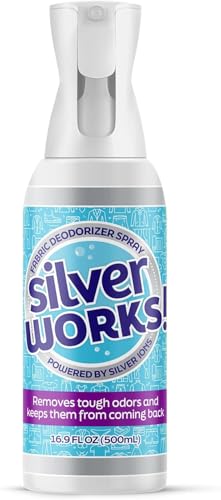
- Odor eliminator spray for vomit on bedding fabrics


Before You Start
Prepare a clean workspace and protect skin and clothing. Wear disposable nitrile gloves to minimize contact with contaminants. Remove the soiled sheets and any solid matter, then scrape gently or blot with a paper towel. Rinse or flush the fabric with cold water to dilute and loosen organic material. Check care labels on sheets for heat tolerance; most cottons and blends tolerate warm to hot cycles, but delicate fabrics require gentler treatment. Allow some time for the stain remover to work if necessary, and plan for a thorough wash and dry cycle.
Step-By-Step: How To Clean Vomit From Bed Sheets
- Remove all bedding and seal soiled items in a plastic bag to prevent odor spread.
- Put on nitrile gloves and gently scrape off excess material from fabric.
- Rinse the fabric with cold water, ideally under a stream or in a basin, to dilute the stain.
- Apply pre-wash stain remover for vomit on sheets to products-safe areas and let it sit for 5–10 minutes.
- Treat remaining areas with enzyme-based laundry stain remover for vomit on bedding, massaging the solution into the fabric to reach fibers.
- Wash the sheets on the hottest cycle permitted by the care label using an appropriate detergent. If the stain is severe, add a scoop of oxygen bleach stain remover for bed linens per package directions.
- After washing, inspect for odor or remaining stain. If needed, run a second wash cycle with odor eliminator spray for vomit on bedding fabrics on the surface after washing, but before drying.
- Dry as recommended by the care label. Tumble dry on a suitable heat setting or air dry to prevent set-in odors and discoloration.
- Recheck after drying; if any stain or odor persists, repeat the treatment steps before reassembling the bed.
- If odors linger despite washing, consider a second cycle with an enzyme-based remover or odor eliminator spray to refresh the fabric.
- Dispose of gloves and wash hands thoroughly after cleanup.
Troubleshooting
| Symptom | Likely Cause | Fix | Prevention |
|---|---|---|---|
| Persistent stain after washing | Stain set-in from dried material | Repeat pre-wash treatment and wash cycle with enzyme-based remover | Address promptly; don’t let stains dry |
| Bad odor despite washing | Odor trapped in fibers | Apply odor eliminator spray after wash and air out | Ventilate area and dry completely |
| Fabric color fading | Overuse of bleach on delicate fabrics | Reduce concentration and follow care label; skip bleach on fragile materials | Test in hidden area first |
| Skin irritation after cleanup | Residues left on fabric | Rinse thoroughly and wash again with fragrance-free detergent | Wear gloves and wash hands after cleanup |
Common Mistakes
- Using hot water on fresh vomit, which can set stains.
- Skipping a pre-treatment step, leading to tougher cleaning later.
- Failing to dry thoroughly, which can foster mildew and odors.
- Mixing multiple cleaners that may react, causing fabric damage or residue.
Tips For Best Results
- Act quickly to prevent stains from setting in fibers.
- Test stain removers on a hidden area of the fabric first to avoid color loss.
- Use enzyme-based formulas for organic stains like vomit for effective breakdown.
- Avoid over-wetting delicate fabrics; excess moisture can lead to longer drying times.
- Air out the room to manage airborne odors during and after cleanup.
Call A Professional
Seek professional help if the bedding is heavily stained, colors run, or materials are delicate and labeled as dry clean only. If persistent odors remain after multiple home treatments, a professional upholstery or laundry service can assess fabric integrity and provide specialized cleaning without risking damage.
FAQ
Is it safe to use bleach on all bed linens?
Bleach can damage colors and delicate fabrics. Always follow the care label and use oxygen-based alternatives when in doubt.
Can I wash with regular detergents and fabric softeners?
Use a regular detergent and avoid fabric softeners on some moisture-absorbent fabrics; read care labels for guidance.
How long should stain removers sit before washing?
Typically 5–10 minutes for pre-wash or enzyme-based removers; follow product instructions for best results.
What if the stain is on pillowcases or sheets with a tight weave?
Pre-treat and choose products suited for tightly woven fabrics; test in a hidden spot first.
Should I air-dry or machine-dry after cleaning?
Air-drying reduces heat-related set-in risk; if using a dryer, choose an appropriate low heat setting per care labels.
How can I prevent odors from returning?
Ensure complete washing, thorough drying, and consider an odor eliminator spray after washing for lingering smells.
Is it necessary to wear gloves during cleanup?
Yes, disposable nitrile gloves protect skin from contact with contaminants and cleaning agents.
Buying Guide
When shopping for products to handle vomit on bedding, focus on effective stain removal, odor control, and fabric safety. Consider the following factors:
- Size and concentration: Choose products that match typical laundry loads. Concentrated formulas can be cost-effective for frequent use.
- Odor control: Look for odor eliminators designed for bedding fabrics to combat persistent smells quickly.
- Fabric compatibility: Check care labels and select enzyme-based and oxygen-based options that are safe for cotton, linen, and blends commonly used in sheets and pillowcases.
- Application method: Pre-treat sprays and stain removers should be easy to apply and penetrate deeply into fibers.
- Safety: Prefer products with clear safety instructions and minimal harsh chemical exposure; always wear gloves during cleanup.
- Ease of use: Quick-acting formulas reduce downtime and fit into standard laundry routines.
- Scent: Choose unscented or mild-scent options if sensitive to strong fragrances.
In practice, a combination of enzyme-based stain remover, pre-wash stain remover, and odor eliminator sprays offers robust results for vomit on bedding. Ensure products are compatible with your washing machine and the fabric care guidelines. If odor or staining persists, review product labels for additional steps or consider professional services.